
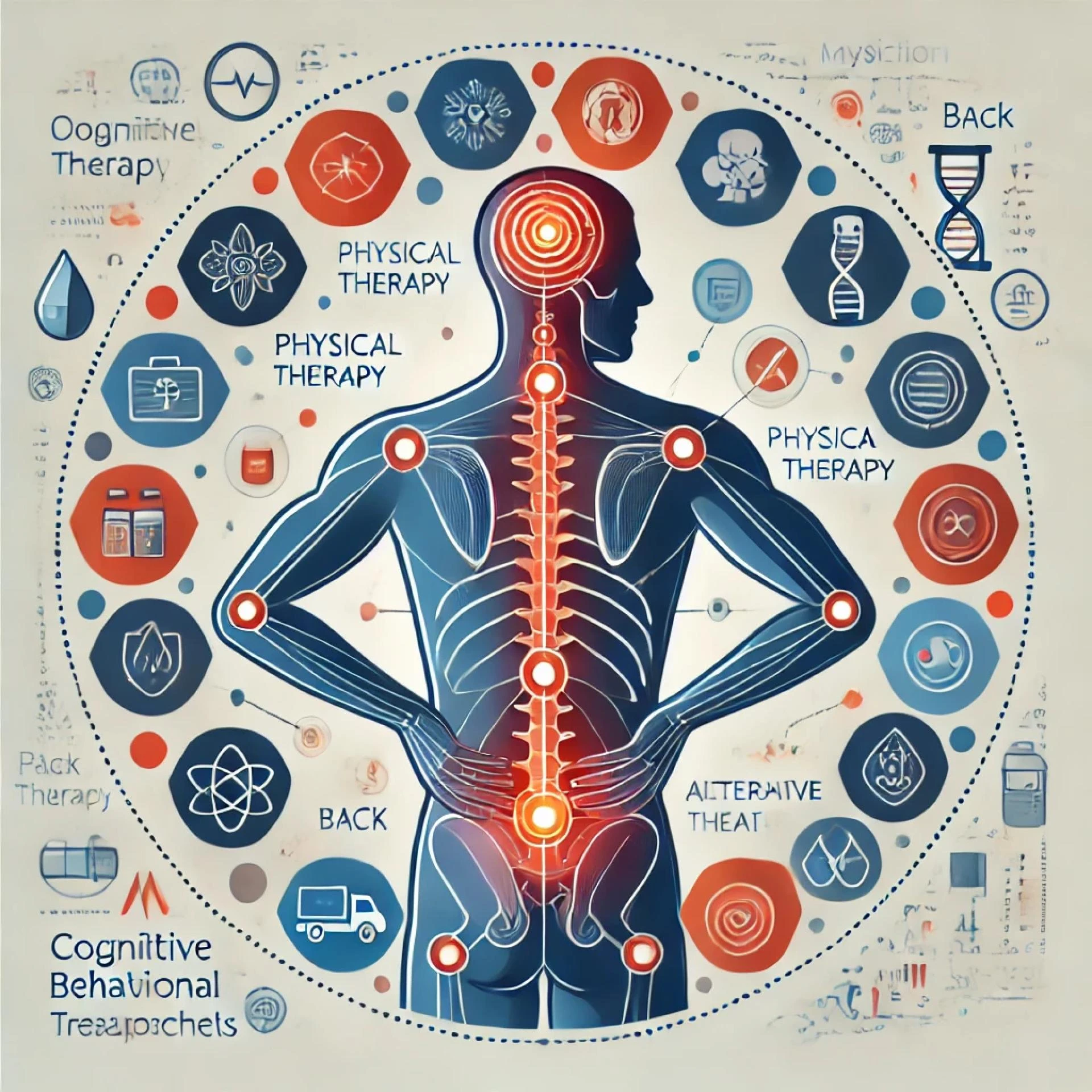
Chronic pain is a significant public health challenge, affecting millions of people worldwide and causing substantial economic and social burdens. It is defined as pain that persists for more than three months and can result from various conditions, including injury, disease, or psychological factors. Chronic pain is not only a physical condition but also affects mental health, leading to depression, anxiety, and social isolation. Addressing this issue is crucial for improving the quality of life for affected individuals and enhancing overall public health outcomes.
In this article, we will explore strategies for preventing chronic pain, current pain management approaches, and how public health systems can adapt to effectively address this widespread crisis. We will also highlight the importance of public health research, submit public health research articles, and public health open access journals in advancing pain management strategies.
![]()
![]()
![]() The Scope of Chronic Pain and Its Impact on Public Health
The Scope of Chronic Pain and Its Impact on Public Health
Chronic pain is a pervasive issue that affects people of all ages and backgrounds. According to the Centers for Disease Control and Prevention (CDC), approximately 20% of adults in the United States suffer from chronic pain. This condition leads to a significant decline in quality of life and has a profound impact on productivity, with sufferers often unable to work or perform daily tasks.
The economic cost of chronic pain is staggering, with billions of dollars spent on healthcare, lost productivity, and disability benefits. Furthermore, individuals with chronic pain are at higher risk for mental health issues, including depression and anxiety, creating a vicious cycle of pain and psychological distress. Addressing chronic pain requires a comprehensive, multi-disciplinary approach that includes prevention, early intervention, and effective management strategies.
As researchers continue to submit public health research articles on pain and its effects, it is essential to create public health open access journals that offer free access to the latest findings in pain management. This ensures that healthcare providers and researchers have the most up-to-date information available.
Preventive Strategies for Chronic Pain
Prevention is the first line of defense in combating chronic pain. By identifying risk factors and intervening early, public health systems can reduce the prevalence of chronic pain in the population. Key preventive strategies include:
- Public health campaigns that educate people about the risks of chronic pain and how to manage it can play a significant role in prevention. Topics such as the importance of proper ergonomics, physical activity, and early intervention for injuries can help people avoid developing chronic pain.
- Regular physical activity is one of the most effective ways to prevent chronic pain, particularly musculoskeletal pain. Exercise helps strengthen muscles, improve flexibility, and reduce inflammation, which can prevent conditions like back pain and arthritis from becoming chronic.
- Early detection of conditions that may lead to chronic pain is critical. Healthcare professionals must be trained to identify warning signs and offer appropriate treatments to prevent pain from becoming long-lasting. For example, addressing acute back pain early with physical therapy can prevent it from evolving into a chronic condition.
- Psychological factors such as stress and anxiety can exacerbate chronic pain. Addressing mental health issues early, through counseling or stress management techniques, can prevent these factors from contributing to long-term pain.
Current Pain Management Approaches
Managing chronic pain is a complex process that requires a multi-faceted approach. While there is no one-size-fits-all solution, several strategies have proven effective in alleviating pain and improving the quality of life for sufferers:
- Medication remains one of the most common methods of managing chronic pain. Non-steroidal anti-inflammatory drugs (NSAIDs), opioids, and other pain relievers are prescribed to manage symptoms. However, there is a growing concern over the risks of opioid use, including dependency and overdose. Therefore, it is crucial to use opioids judiciously and explore alternative medications and therapies.
- Physical therapy plays a vital role in managing chronic pain, particularly for musculoskeletal conditions. Techniques such as massage, stretching, and strengthening exercises can help reduce pain and improve function.
- CBT is a psychological approach that helps individuals manage pain by changing negative thought patterns. Studies have shown that CBT can be highly effective in reducing pain perception, improving coping strategies, and enhancing overall mental well-being.
- Many individuals with chronic pain seek alternative treatments such as acupuncture, chiropractic care, and massage therapy. These therapies can provide relief for some individuals, especially when traditional methods are not effective.
The Role of Public Health Research and Innovation
Innovative pain management strategies and ongoing research are crucial in the fight against chronic pain. Public health research plays a significant role in understanding the underlying causes of chronic pain and developing new treatments. Some emerging areas of research include:
- Neuromodulation and Bioelectronic Medicine
- Technologies that manipulate the nervous system, such as spinal cord stimulation and transcranial magnetic stimulation (TMS), are showing promise in treating chronic pain without the need for invasive surgery or long-term medication.
- Personalized Pain Management
- Personalized approaches to pain management, based on an individual's genetic makeup, are being explored to develop more effective treatments tailored to the patient.
- The Use of AI and Machine Learning
- Artificial intelligence is being used to analyze vast amounts of patient data to identify patterns and predict pain management outcomes. AI could help healthcare providers deliver more precise and personalized pain treatments.
Conclusion: Addressing Chronic Pain as a Public Health Priority
Preventing and managing chronic pain should be a public health priority, as it affects millions of people and imposes a substantial burden on healthcare systems worldwide. By focusing on prevention, early intervention, and innovative pain management strategies, we can reduce the incidence and impact of chronic pain. Furthermore, ongoing research and the adoption of new technologies offer hope for more effective treatments in the future.
As the understanding of chronic pain continues to evolve, it is essential to continue supporting public health research, public health open access journals, and the development of innovative treatments to ensure that individuals living with chronic pain can lead better, healthier lives.