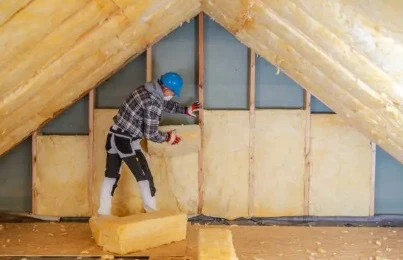
Industry analysts observing residential development across Vancouver Island are reporting a conspicuous shift in construction priorities, with efficient attic insulation emerging as a cornerstone of responsible homebuilding. As new communities continue to rise throughout Greater Victoria, builders, inspectors, and homeowners alike are reconsidering the indispensable role of attic insulation in Victoria, BC, acknowledging that modern expectations for energy performance now require a heightened commitment to thermal integrity. In this evolving landscape, companies such as Advance Insulation Canada have become central figures in guiding homeowners toward informed, long-term insulation strategies.
A New Era of Building Standards and Expectations
The construction of a new home presents an opportunity for structural precision that older properties often lack. With building codes in British Columbia becoming progressively stringent—driven by climate-conscious governance and widespread demands for reduced utility consumption—attic insulation in Victoria, BC is no longer treated as a discretionary upgrade. Instead, it has become a fundamental metric of construction quality.
New homes are being designed to meet established performance benchmarks in airtightness, thermal resistance, and environmental sustainability. Attics have emerged as one of the most influential areas affecting a property’s energy profile. When insulation is meticulously installed, it supports not only the heating and cooling efficiency of the interior environment but also the durability of the entire building envelope.
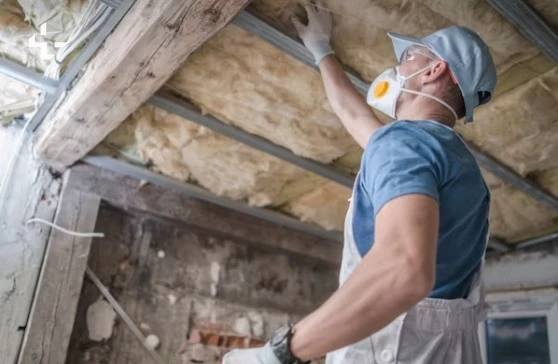
Industry professionals note that the labour and cost efficiencies of insulating during the initial construction phase far exceed those associated with retrofitting older homes. This is due in large part to unrestricted access to structural cavities and roofing systems. Advance Insulation Canada reports that homeowners building new residences have a unique advantage: the ability to engineer an insulation plan that aligns precisely with the home’s architectural blueprint, climate zone specifications, and long-term maintenance expectations.
How Attic Insulation Influences the Longevity of New Homes
The attic functions as a stabilizing buffer between the interior living space and the fluctuating climatic conditions characteristic of coastal British Columbia. When properly insulated, this uppermost cavity becomes a defensive mechanism against heat loss, ice damming, moisture intrusion, and premature roof deterioration.
Thermal imaging assessments conducted on recently completed properties across the region indicate that insufficient insulation remains one of the leading contributors to heat transfer and structural strain. Builders aware of these measurable deficiencies are increasingly prioritizing the integration of high-grade materials during initial construction stages. Companies providing attic insulation in Victoria, BC, including Advance Insulation Canada, have noted an uptick in demand for advanced products such as blown-in cellulose, spray foam, and hybrid insulation systems capable of delivering elevated R-values.
Through strategic material selection and professional installation, new construction homes can achieve a form of thermal equilibrium that older residences rarely enjoy without significant retrofit investments. This equilibrium supports predictable utility consumption, stable indoor temperatures, and reduced mechanical load on HVAC equipment, contributing to the long-term operational efficiency of the property.
Moisture Control: A Critical Consideration in the Coastal Climate
Victoria’s maritime environment imposes unique conditions on residential structures. Seasonal rain, shifting humidity levels, and moderate winter temperatures create a dynamic atmosphere that can lead to attic condensation if insulation is incomplete or improperly ventilated. Builders across the region have identified moisture management as one of the most pressing concerns for new homeowners.
Effective attic insulation is not solely a matter of trapping warm air; it is equally dependent on permitting controlled airflow that allows moisture to escape. Without this balance, new construction homes can experience mold growth, rotting roof sheathing, and compromised indoor air quality.
Specialists at Advance Insulation Canada emphasize the importance of integrating insulation with a comprehensive ventilation plan during the building phase. By ensuring airflow pathways remain unobstructed and moisture barriers are correctly installed, builders can mitigate costly future repairs and preserve the structural integrity of the home.
Material Comparison and Selection for New Construction Attics
New construction projects provide builders with the benefit of tailoring insulation material to the home’s unique architectural and environmental needs. Among the most widely used materials in attic insulation in Victoria, BC are:
1. Blown-in Cellulose
Favoured for its cost-effectiveness and high coverage efficiency, blown-in cellulose is composed of recycled fibres treated for fire resistance. It creates a dense thermal layer that fills cavities uniformly, reducing air gaps and improving energy retention.
2. Spray Foam Insulation
Spray foam is regarded as one of the most advanced insulation materials available. Its ability to expand and adhere to surfaces creates an airtight seal unmatched by traditional products. For builders seeking superior energy performance, spray foam offers an high R-value and the added benefit of acting as both an insulator and a moisture barrier.
3. Fiberglass Batts
A longstanding choice in residential insulation, fiberglass remains popular due to predictable performance and straightforward installation. While it requires precise placement to maintain effectiveness, it remains a valuable option in new construction where installation conditions are ideal.
Each material presents unique advantages, and experts from Advance Insulation Canada frequently consult with builders to determine the most cost-effective combination. While spray foam offers unmatched air sealing, cellulose and fiberglass continue to deliver dependable performance when installed with accuracy. Hybrid systems blending multiple materials are gaining traction as a balanced solution for homeowners seeking optimized results.
Energy Efficiency and Economic Advantages for Homeowners
One of the most compelling arguments for investing in high-quality attic insulation during construction is the significant reduction in long-term energy costs. Studies conducted by local building associations indicate that homes with thorough attic insulation in Victoria, BC can achieve reductions of up to 30 percent in annual heating and cooling expenses. In an era of fluctuating energy prices, such cost savings represent a substantial return on investment.
Moreover, a well-insulated home contributes to environmental sustainability by decreasing unnecessary energy consumption. Builders committed to eco-conscious development are increasingly branding insulation as a defining feature of modern, responsible architecture. As more homeowners adopt this mindset, the value of their properties is strengthened through future-proof construction and reduced carbon output.
The Vital Role of Professional Insulation Providers
Although some elements of home construction can be managed by general contractors, insulation installation requires specialized expertise to ensure compliance with building codes and optimal energy performance. Thermal bridging, uneven material distribution, or improperly sealed gaps can undermine the effectiveness of the entire insulation system. This is why professional oversight is increasingly regarded as essential.
Advance Insulation Canada, a company widely recognized for its work in attic insulation in Victoria, BC, has been instrumental in establishing quality benchmarks for new residential developments. With advanced diagnostic tools, trained technicians, and a deep understanding of local environmental factors, the firm helps builders and homeowners make informed decisions that support long-term efficiency.
Industry observers note that outsourcing insulation to professional providers offers quantifiable benefits, including accurate R-value achievement, precise air sealing, and integration with ventilation and moisture-management components. This collaborative approach between builders and insulation professionals ensures that every layer of the home’s thermal envelope performs to its full potential.
Building a Thermally Resilient Future for Homeowners
As Greater Victoria continues to experience sustained population growth, the demand for new residential construction remains robust. Yet alongside this expansion comes an expectation that new homes must meet modern standards for durability, comfort, and environmental stewardship. Attic insulation represents one of the most effective and economically sound measures to achieve these goals.
Homebuilders who prioritize insulation during early construction phases produce properties that stand as long-term assets, equipped to endure the region’s climatic fluctuations while delivering consistent energy performance. With support from leading specialists such as Advance Insulation Canada, homeowners gain not only improved daily comfort but also assurance that their investment is protected by forward-thinking construction practices.
Conclusion
In the evolving landscape of residential development, attic insulation has emerged as a defining attribute of high-quality new construction homes. Its role in energy efficiency, moisture control, structural preservation, and occupant comfort positions it as a foundational component of modern building science. As demand for well-insulated homes continues to rise, builders, insulation professionals, and homeowners across Victoria are collectively shaping a new standard—one that positions thoughtful attic insulation in Victoria, BC as a hallmark of responsible, future-oriented construction.