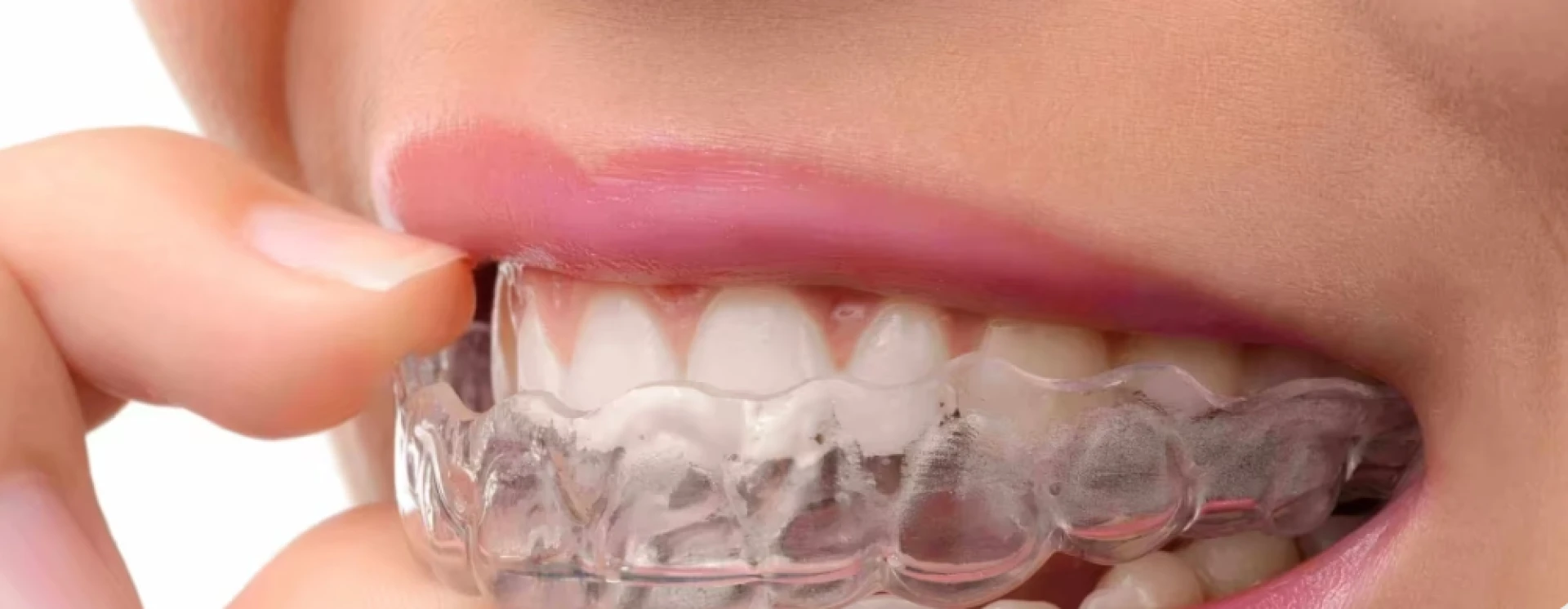
If you’ve ever looked in the mirror and wondered whether it’s too late to straighten your teeth, you’re not alone. Many adults and teens are now exploring options like Invisalign in North London, especially those who want something a little more discreet than traditional braces. After all, the idea of improving your smile without drawing too much attention to the process is pretty appealing.
The good news is that modern orthodontic options have come a long way. Clear aligners, in particular, have made it easier for people to fit treatment into their everyday lives. No wires, fewer adjustments, and the freedom to remove them when needed—it’s no surprise they’ve become such a popular choice.
How Clear Aligners Actually Work
At first glance, the process seems almost too simple. You’re given a series of transparent trays, each slightly different from the last. These aligners gently move your teeth over time, following a carefully planned sequence.
What happens step by step?
● A consultation to assess your teeth and discuss your goals
● Digital scans or impressions to map out your treatment
● A set of custom aligners designed just for you
● Regular check-ins to track progress
Plus, because everything is planned in advance, you often get a preview of how your smile could look at the end. It’s a bit like seeing the “after” photo before you’ve even started.
Why People Are Choosing This Option
One of the biggest reasons people lean towards clear aligners is convenience. Life doesn’t pause for orthodontic treatment, and having something flexible makes a difference.
A few benefits worth noting:
● Discreet appearance: Most people won’t notice you’re wearing them
● Removable design: Easier eating, brushing, and flossing
● Fewer appointments: Less time spent in the dental chair
● Comfort: No wires or brackets to worry about
What’s more, they tend to fit smoothly into daily routines. Got a dinner out planned? Just remove them while you eat and pop them back in afterwards.
Things to Keep in Mind
By the time you’re seriously considering options like Invisalign in North London, it’s worth knowing that success depends on consistency. Aligners need to be worn for around 20–22 hours a day to be effective.
That might sound like a lot, but most people adjust quickly. Think of it like wearing glasses—you notice them at first, then they just become part of your routine.
A few practical tips:
● Keep your aligners in their case when not in use (they have a habit of disappearing otherwise)
● Clean them regularly to keep them clear and fresh
● Stick to your schedule when switching to the next set
● Don’t skip check-ups, even if everything feels fine
A Quick Real-Life Scenario
A patient once mentioned they only wore their aligners “most of the time,” which, in their mind, was good enough. A few months later, their progress had slowed, and they needed extra time to reach the desired results.
On the other hand, another patient treated their aligners like a strict routine—almost like brushing their teeth. They stayed on track and finished their treatment right on schedule.
The difference? Consistency.
Is It Right for Everyone?
Clear aligners can address a wide range of issues, from mild crowding to spacing problems. However, more complex cases might still require alternative treatments.
That’s why an initial assessment is so important. It helps determine whether this approach suits your specific needs or if another option might be more effective.
What About Daily Life?
One of the most common concerns is how treatment fits into everyday activities. The short answer? Fairly easily.
You can remove your aligners to eat, drink (anything other than water), and brush your teeth. This means fewer food restrictions compared to traditional braces. Fancy a crunchy apple or a sticky toffee pudding? No problem—just remember to clean your teeth before putting the aligners back in.
Speech might feel slightly different at first, but most people adapt within a few days. It’s usually more noticeable to you than anyone else.
Looking Ahead
Choosing to straighten your teeth is a personal decision, and it doesn’t have to feel overwhelming. With options that are more flexible and subtle than ever, it’s easier to take that step when you’re ready.
If you’ve been thinking about improving your smile, it might be worth having a conversation and exploring what’s possible. Sometimes, understanding your options is all it takes to get started.