
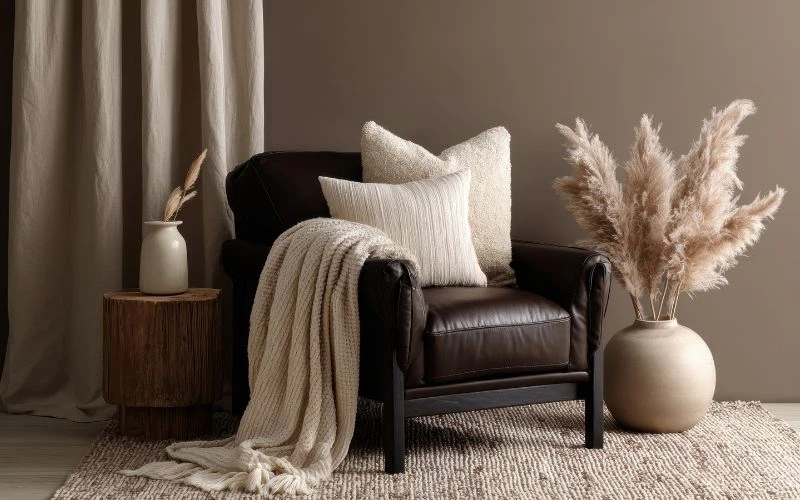
Leather furniture is an investment. A modern leather chair with recline function can instantly elevate a space, providing comfort and style that lasts for years. But neglect is costly. Rough use, sunlight, and dust slowly wear down leather’s natural oils. One study shows that 70% of leather furniture develops cracks or stiffness within the first 5 years without proper care! Small, consistent maintenance makes all the difference. Condition leather too little, and it dries out. Too much, and sticky residues build up. The balance is key.
Maintaining leather isn’t complicated—but timing, method, and products matter. A properly conditioned leather piece remains supple, luxurious, and resistant to scratches. This applies to any type of leather furniture, from compact leather chairs and recliners to sofas and ottomans. Regular care preserves its beauty while extending life.
How Often Should Leather Chairs and Recliners Be Conditioned?
Conditioning frequency depends on regular use, climate, and leather type. Generally:
Every 6 to 12 months: Perfect for chairs that are used a lot.
High-Use Areas: Every 3 to 4 months, you may need to oil the chairs in your family room or office.
Dry Climates: The leather will lose its oils faster in dry places, so you will need to condition it more often to keep it from cracking.
New Leather: If you buy leather, you might need to do some light conditioning on it for the first month to keep it soft.
Step-by-Step Guide to Conditioning Leather
The following are the best method suggested by furniture shop owners in Australia. Do these things to get the best results:
- Clean the Surface First: To do this, use a soft cloth or a mild leather cleaner to get rid of dust and dirt. If the leather is dirty, don't condition it.
- Choose a Quality Leather Care Oil or Conditioner: Choose a mild cleaner that is made just for your kind of leather. Stay away from oils and home cures.
- Apply Small Amounts: Pour a little onto the soft cloth.
- Rub Gently in Circular Motions: Apply the conditioner evenly into the leather surface. Don't rub too hard.
- Let it Soak Up: Give the leather 20 to 30 minutes to soak up the conditioner.
- Buff With a Clean Cloth: Wipe off any extra product with a clean cloth to make the surface smooth and non-sticky.
- Repeat in High-Use Areas: Pay special attention to the arms, seats, and backs, which get the most use.
Pros and Cons of Conditioning Leather
Pros:
- Keeps leather soft and flexible.
- Keeps skin from dry and cracking
- Keeps the colour and finish
- Helps things last longer
Cons:
- Too much cleaning can make surfaces stick.
- Using the wrong things on leather can cause damage or stain.
- Needs long-term care and time
Quick Tips for Proper Leather Care
- Always clean before conditioning.
- Use only products labeled safe for leather.
- Avoid over conditioner—small amounts work best.
- Rotate use on multiple chairs to avoid uneven wear.
- Keep pets’ claws trimmed to reduce scratches.
Frequently Asked Questions
1. Can all leather types be conditioned the same way?
No. Top-grain and full-grain leathers absorb conditioners differently than bonded or faux leather. Always check product instructions.
2. How long does a conditioned leather chair last?
Leather chairs and sofas can last 10–20 years if they are taken care of properly, even if they are used daily. Conditioning keeps them soft, crack-free, and comfortable.
3. Can conditioning prevent scratches from pets?
Conditioning makes the material more flexible, which means that scratches are less likely to tear the surface deeply. When used with covers or protected throws, it lessens the damage that can be seen.
Final Thoughts
Leather furniture lasts a long time, but it needs to be taken care of. If you clean and prepare a leather chair or any other leather item the right way, it will look great and last a long time. Cracks, stains, and stiffness can be avoided with step-by-step care, good tools, and careful use. Maintaining furniture regularly today will protect a big investment tomorrow, keeping it looking good, feeling good, and ready to be used for years.