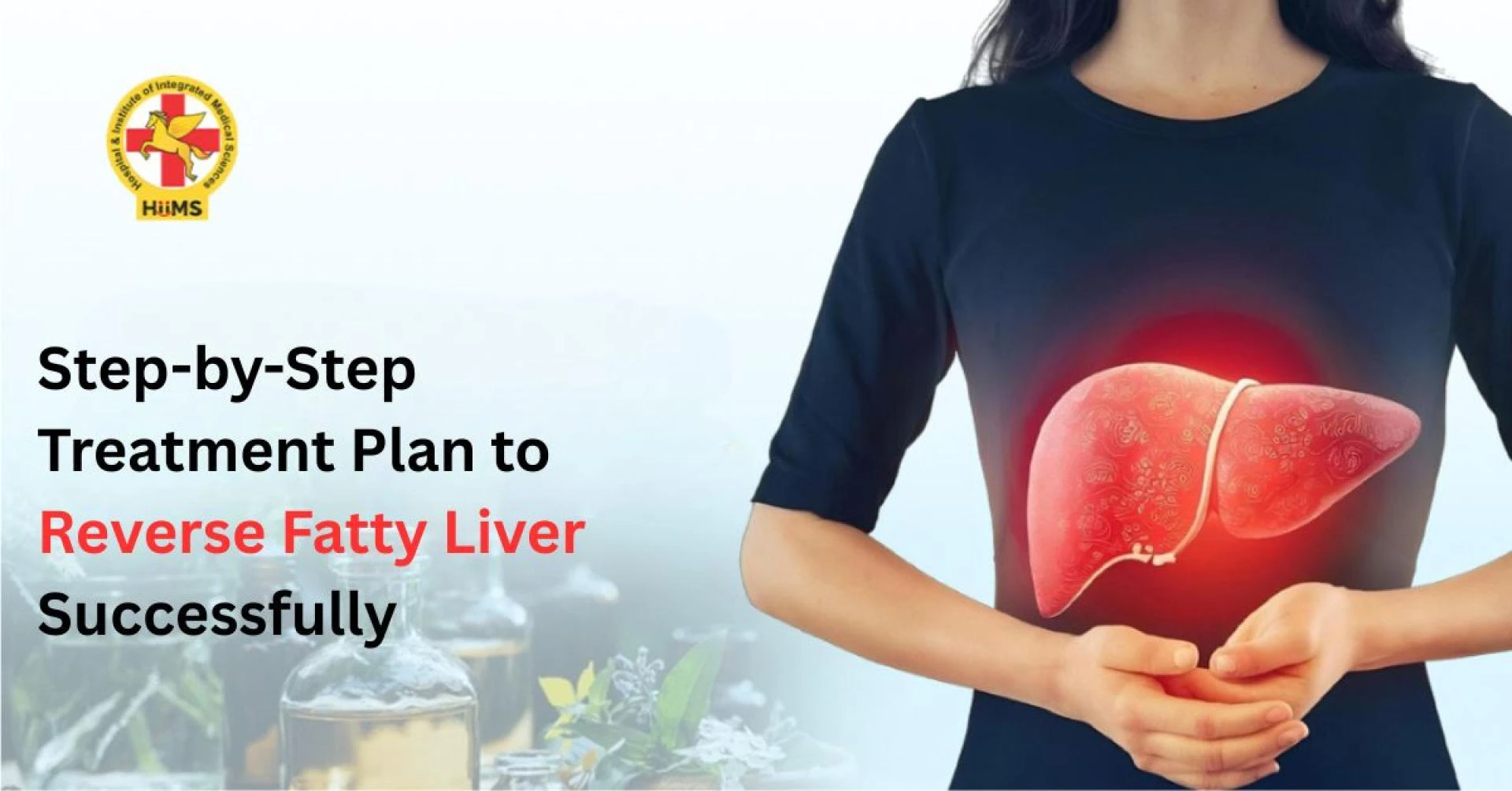
Fatty liver has become a common health concern due to modern lifestyle habits, unhealthy diets, and stress. Many people ignore early signs, assuming they are minor issues. However, with the right approach, fatty liver can be managed and even reversed. At Jeena Sikho HiiMS, a structured and natural treatment approach focuses on improving liver health step by step. This guide explains a practical and easy-to-follow plan to reserve fatty liver successfully.
Understanding Fatty Liver and Its Root Cause
Fatty liver occurs when excess fat accumulates in liver cells. This condition is often linked to poor diet, lack of physical activity, obesity, and metabolic imbalance. Instead of only focusing on symptoms, it is important to address the root cause. A proper treatment plan should aim to improve digestion, support metabolism, and help the body eliminate toxins naturally.
Step 1: Detoxification to Cleanse the Liver
The first step in reversing fatty liver is detoxification. The liver works continuously to filter toxins, but when overloaded, its efficiency reduces. A gentle detox helps remove accumulated waste and supports better liver function.
Simple detox practices include:
- Starting the day with warm water
- Consuming natural drinks like lemon water or herbal infusions
- Avoiding processed and junk food
At Jeena Sikho HiiMS, detoxification is approached through natural methods that help the body cleanse itself without harsh interventions.
Step 2: Correcting Diet and Eating Habits
Diet plays a major role in fatty liver recovery. Making the right food choices can significantly reduce fat accumulation and support liver healing.
Recommended dietary changes:
- Include fresh fruits and green vegetables
- Choose whole grains instead of refined foods
- Avoid oily, fried, and sugary items
- Reduce intake of packaged and processed foods
Eating meals at regular intervals and avoiding overeating also helps maintain digestive balance. A simple and natural diet allows the liver to rest and repair itself effectively.
Step 3: Improving Digestion and Metabolism
Weak digestion is often linked to fatty liver. When digestion is not efficient, toxins build up and affect liver function. Improving digestion helps in better nutrient absorption and reduces fat accumulation.
Ways to support digestion:
- Eat light and easily digestible meals
- Avoid late-night eating
- Include fiber-rich foods
- Stay hydrated throughout the day
Natural approaches used at Jeena Sikho HiiMS focus on strengthening digestion to ensure long-term liver health.
Step 4: Regular Physical Activity
Physical activity is essential for reducing liver fat and improving overall health. A sedentary lifestyle contributes to fat build-up and slows down metabolism.
Effective activities include:
- Daily walking for 30–45 minutes
- Light yoga or stretching exercises
- Breathing exercises to improve oxygen flow
Consistency is more important than intensity. Even simple activities done regularly can bring noticeable improvement in liver health.
Step 5: Managing Weight Naturally
Excess body weight is one of the main causes of fatty liver. Gradual and natural weight management helps reduce fat stored in the liver.
Healthy weight management tips:
- Avoid crash diets
- Focus on balanced nutrition
- Maintain an active lifestyle
- Get proper sleep
A steady and sustainable approach to weight loss ensures better results and prevents recurrence of fatty liver.
Step 6: Stress Management and Mental Well-being
Stress has a direct impact on digestion and liver function. Chronic stress can disturb hormonal balance and slow down metabolism.
Simple ways to manage stress:
- Practice meditation or mindfulness
- Spend time in nature
- Maintain a proper sleep routine
- Avoid overthinking and mental strain
At Jeena Sikho HiiMS, emotional well-being is considered an important part of overall treatment, as a calm mind supports better healing.
Step 7: Following a Consistent Routine
Consistency is key in reversing fatty liver. A disciplined daily routine helps regulate body functions and supports recovery.
A healthy routine includes:
- Waking up early
- Eating meals on time
- Staying physically active
- Getting 7–8 hours of sleep
Maintaining a routine aligns the body’s internal clock and improves metabolic efficiency.
Step 8: Avoiding Harmful Substances
Certain habits can worsen fatty liver and should be avoided completely.
These include:
- Alcohol consumption
- Smoking
- Excessive use of processed foods
- Sugary beverages
Eliminating these factors reduces the burden on the liver and supports faster recovery.
Step 9: Monitoring Progress Regularly
Tracking improvement is important to understand how the body is responding to the treatment plan. Regular check-ups and observation of symptoms can help make necessary adjustments.
Signs of improvement may include:
- Better digestion
- Increased energy levels
- Reduced bloating
- Improved overall well-being
A guided approach at Jeena Sikho HiiMS ensures that progress is monitored carefully for effective results.
Step 10: Long-Term Lifestyle Maintenance
Reversing fatty liver is not just about short-term treatment but maintaining long-term health. Once improvement is seen, continuing healthy habits is essential to prevent recurrence.
Key long-term practices:
- Balanced diet
- Regular exercise Stress management
- Healthy daily routine
A sustainable lifestyle ensures that liver health remains stable and strong over time. Book your VOPD today.
Conclusion
Reversing fatty liver successfully requires a step-by-step and disciplined approach. By focusing on detoxification, proper diet, improved digestion, physical activity, and stress management, it is possible to restore liver health naturally.
At Jeena Sikho HiiMS, the emphasis is on treating the root cause and guiding individuals toward a healthier lifestyle. With consistency and the right plan, fatty liver can be managed effectively, leading to improved overall well-being and a healthier future.