
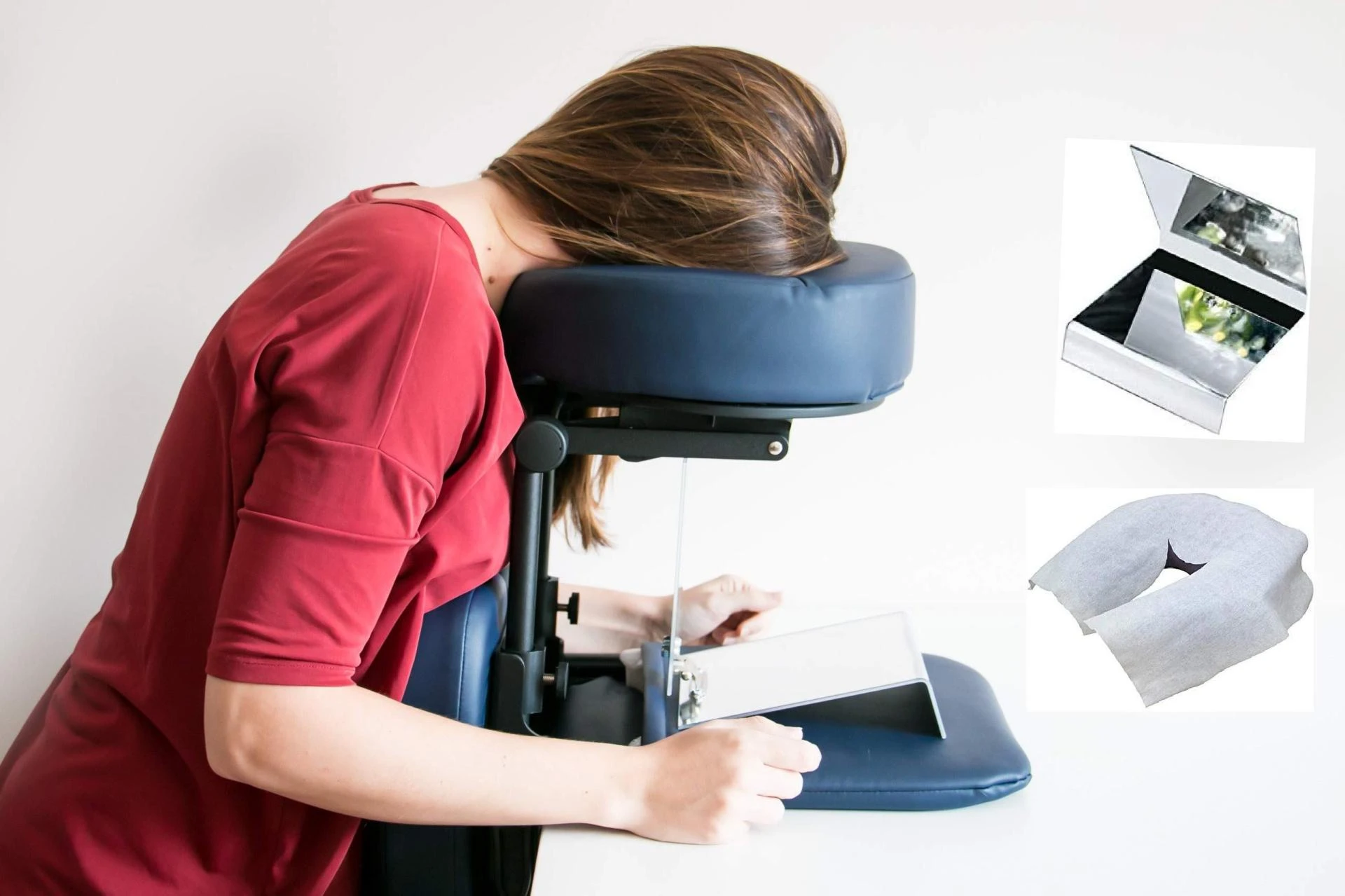
Recovering from eye surgery can feel overwhelming, especially after a vitrectomy. Surgeons often recommend face-down positioning for several days or weeks after the procedure, which helps the eye heal properly. For most patients, staying in that position around the clock is nearly impossible without help. That’s where vitrectomy equipment rental comes in—making recovery more manageable, safer, and far less stressful.
Why Face-Down Positioning Matters After Vitrectomy
During a vitrectomy, the gel-like substance inside the eye is removed and replaced, often with a gas bubble. For the bubble to stay in place and support the retina, patients must keep their heads tilted forward. This positioning ensures the eye heals correctly, reduces complications, and maximizes surgical success. But here’s the challenge: maintaining this position while sleeping, sitting, or even watching TV is extremely uncomfortable without specialized support tools.
Step 1: Understanding Your Vitrectomy Recovery Needs
Every patient’s recovery plan is slightly different. While some only need face-down positioning for a few days, others may require weeks. Before choosing equipment, it’s important to:- Confirm how long you’ll need to stay face-down.
- Identify daily activities you want to maintain (reading, sleeping, eating).
- Consider whether you’ll need equipment that can be easily moved between home and work.
Having these answers will guide the type of equipment you rent.
Step 2: Exploring Vitrectomy Equipment Rental Options
Modern vitrectomy equipment rental providers offer a range of tools designed for comfort and mobility. Commonly rented equipment includes:- Face-Down Chairs – Ergonomic support chairs designed to reduce back and neck strain while you rest, read, or watch TV.
- Massage-Style Chairs with Cutouts – Allow you to lean forward comfortably for extended periods.
- Face-Down Recovery Pillows – Special cushions that support proper positioning while lying in bed or napping.
- Mirror Systems – Angled mirrors let you watch TV or interact with others without lifting your head.
Most companies now deliver equipment directly to your home and provide instructions for setup, ensuring you’re ready before surgery day.
Step 3: Setting Up for Success at Home
Proper setup is essential for safe healing. Here are a few tips:- Prepare a recovery station in your living room or bedroom before surgery.
- Adjust lighting and furniture so you can easily reach items without twisting.
- Test equipment in advance so you feel comfortable using it right away.
Having everything ready reduces stress and helps you focus on rest, not logistics.
Step 4: Daily Life with Vitrectomy Recovery Equipment
Face-down positioning doesn’t mean your life has to pause. With the right tools, patients in 2025 are finding recovery more manageable:- Sleeping: Recovery pillows keep your face properly aligned while relieving pressure.
- Eating: Adjustable chairs and cushions let you dine without strain.
- Entertainment: Mirrors allow you to watch TV, video chat, or read hands-free.
- Mobility: Portable options make it easier to move from one room to another without losing comfort.
By rotating between different types of equipment, patients often report less stiffness and better compliance with their doctor’s instructions.
Step 5: Benefits of Renting vs. Buying
For most people, renting is the best option because:- Short-Term Need – Most patients only use the equipment for 1–4 weeks.
- Cost Savings – Renting avoids high upfront costs for specialized tools.
- Professional Support – Rental companies often provide setup, delivery, and pickup.
- Updated Equipment – You’ll get access to newer, more ergonomic designs.
Buying may only make sense for those expecting multiple procedures or long-term recovery.
Step 6: Working with Your Care Team
Your surgeon and care team are your best resource for determining which vitrectomy recovery equipment you’ll need. Many clinics even partner with rental providers and can recommend trusted companies. Always check with your doctor before choosing equipment, as each recovery plan is unique.
2025 Best Practices for a Smooth Recovery
Today’s patients benefit from both technology and comfort improvements:- Ergonomic innovations mean equipment places less strain on the body.
- Lightweight materials make setup easier for caregivers.
- Sanitized rentals follow strict cleaning protocols to ensure safety.
- Telehealth check-ins let doctors monitor positioning and compliance remotely.
Following these modern practices helps reduce complications and supports faster healing.
Conclusion:
Recovering from vitrectomy surgery requires patience and commitment, but you don’t have to do it alone. With vitrectomy equipment rental, patients can maintain the critical face-down position comfortably while preserving quality of life. By preparing early, choosing the right equipment, and working closely with your medical team, you can transform recovery from overwhelming to manageable. In 2025, comfort-driven tools ensure your focus stays where it should—on healing your vision and getting back to daily life.