
Refurbishing your home can seem like a daunting task, especially when you are trying to stay within a budget. However, with careful planning, smart choices, and the right approach, you can transform your property into a stylish, modern space without breaking the bank. This guide provides a step-by-step roadmap for a successful home refurbishment in the UK, ensuring efficiency, cost-effectiveness, and quality results.
Step 1: Plan Your Refurbishment Carefully
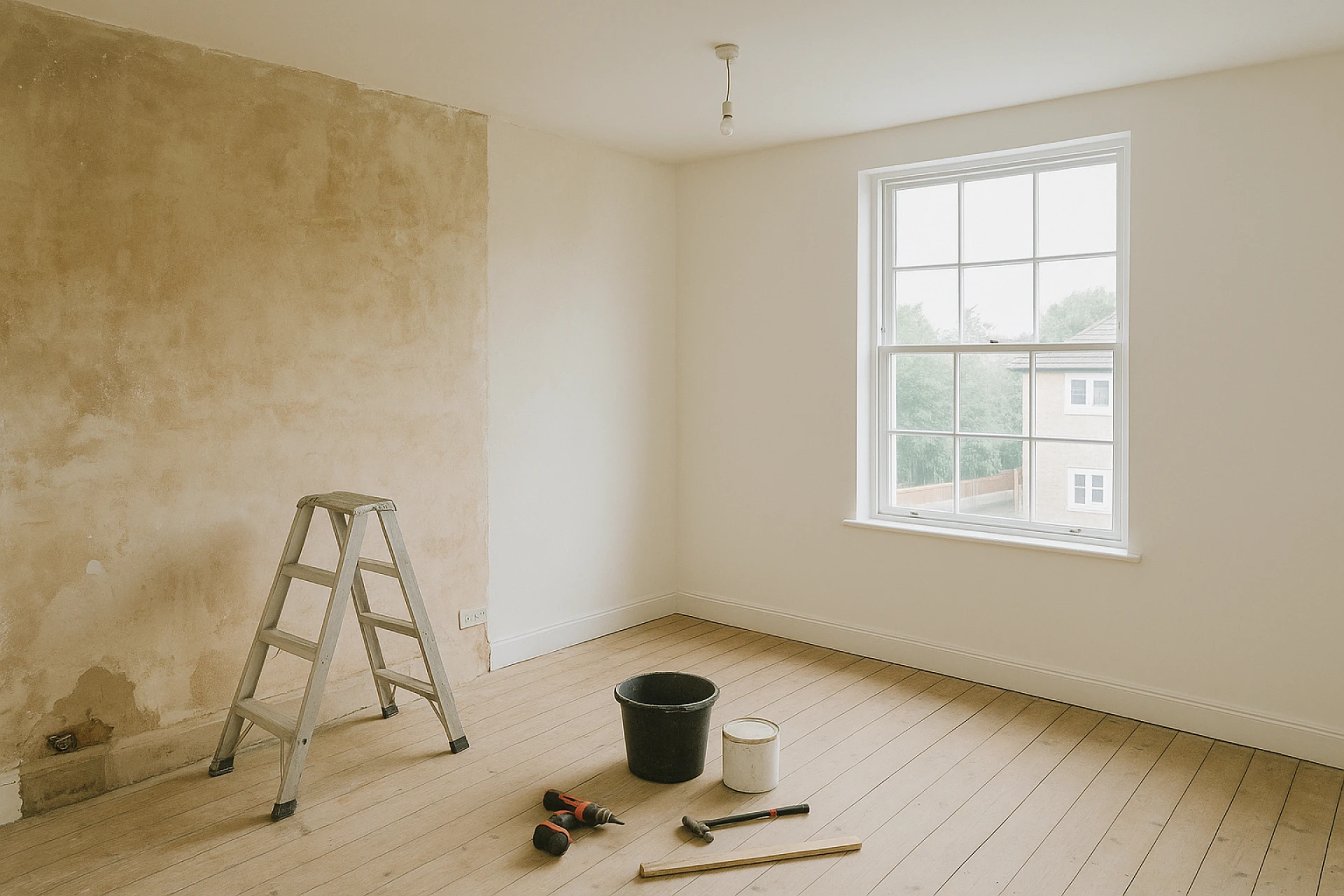
The foundation of any successful refurbishment project is a solid plan. Start by assessing the areas of your home that require improvement. Make a list of priorities, distinguishing between essential repairs and cosmetic upgrades.
Consider:
- Structural repairs (walls, roofs, foundations)
- Plumbing and electrical work
- Kitchen and bathroom upgrades
- Flooring and painting
Once you have a clear idea of what needs to be done, research the average costs in your area. Planning ahead allows you to allocate your budget wisely and avoid unexpected expenses.
Step 2: Set a Realistic Budget
Budgeting is critical to avoid overspending. Start by setting a maximum budget for the project, and then break it down by room or type of work. Leave a contingency fund (usually 10-15% of your total budget) to cover unforeseen costs such as hidden structural issues or delays.
For homeowners in the South East of England, including areas like Maidstone and Sevenoaks, labour and material costs can vary. Comparing quotes from local professionals ensures you get the best value without compromising quality. Hiring a trusted service for Property Refurbishment Maidstone or Property Refurbishment Sevenoaks can provide guidance on cost-effective solutions.
Step 3: Prioritize DIY vs Professional Work
One of the easiest ways to save money is to identify tasks you can handle yourself. Simple jobs like painting walls, replacing cabinet handles, or laying laminate flooring are ideal for DIY enthusiasts.
However, certain aspects of a refurbishment—such as electrical rewiring, plumbing, and structural changes—require professional expertise. Attempting these tasks without experience can be risky and costly in the long term. By selectively combining DIY work with professional services, you can significantly reduce expenses while maintaining high standards.
Step 4: Source Materials Wisely
Material costs can quickly escalate if not carefully managed. Consider:
- Shopping at local builders’ merchants or discount suppliers
- Buying second-hand or reclaimed items, especially for flooring, doors, and furniture
- Looking for end-of-line sales on tiles, paint, and kitchen units
UK homeowners often overlook the potential savings from bulk purchases. If you plan ahead and buy materials in advance, you can take advantage of seasonal discounts and special offers.
Step 5: Optimize the Layout and Design
Refurbishment isn’t just about replacing old features; it’s an opportunity to rethink your space. Simple layout changes, such as removing a partition wall, opening up a kitchen, or improving natural light, can dramatically improve functionality and aesthetics.
Modern, minimalist designs are cost-effective and require fewer materials. Neutral colour schemes, open shelving, and multifunctional furniture can make your home appear larger and more inviting without significant expenditure.
Step 6: Manage Time Effectively
Time management is crucial for keeping refurbishment projects on budget. Set a realistic schedule for each phase of work and factor in delays for ordering materials or waiting for professional services.
Breaking the project into smaller, manageable tasks ensures that progress is consistent and prevents last-minute rushes that can increase costs. Keep communication clear with contractors and suppliers to avoid misunderstandings and ensure timely delivery of work.
Step 7: Focus on Energy Efficiency
Upgrading your home to be more energy-efficient can save money in the long run. Consider:
- Installing LED lighting
- Improving insulation in walls, lofts, and windows
- Using energy-efficient boilers and appliances
Not only do these measures reduce utility bills, but they can also increase your property’s market value. Many UK councils offer grants and incentives for energy-efficient refurbishments, which can further stretch your budget.
Step 8: Add Finishing Touches
Once the main refurbishment work is complete, focus on the finishing touches. These details, such as new handles, light fixtures, curtains, and decorative accents, give your home a polished, modern feel.
Repurposing items you already own or sourcing affordable décor from second-hand shops can help maintain budget control. Small investments in high-impact areas—like the kitchen or living room—often yield the best visual returns.
Step 9: Maintain Your Refurbished Property
A budget refurbishment isn’t just about the initial work; it’s about ensuring longevity. Regular maintenance—such as checking plumbing, servicing heating systems, and repainting high-traffic areas—prevents costly repairs in the future.
Keeping your home in good condition also protects your investment, whether you plan to sell, rent, or stay long-term.
Conclusion
Refurbishing your UK home on a budget is entirely achievable with careful planning, smart choices, and the right professional support. By following this step-by-step guide, homeowners can maximize their investment while creating a comfortable, stylish, and functional living space. Whether you are working on a small flat or a large family home, services like Property Refurbishment in Maidstone and Property Refurbishment in Sevenoaks can provide expert guidance, ensuring your refurbishment is both cost-effective and high-quality.
With the right approach, a thoughtful plan, and attention to detail, your budget-friendly home refurbishment can transform your property into a space you love and a smart investment for the future.
Also Prefer our other Blog: