In today's competitive LinkedIn environment, grabbing attention quickly is more important than ever. Professionals and businesses need to create posts that stand out in crowded feeds, and this is where a LinkedIn Hook Generator comes in. A LinkedIn Hook Generator helps craft engaging opening lines for your posts, ensuring your content captures attention and encourages readers to continue engaging. In this blog, we will explore how to use a LinkedIn Hook Generator effectively, step by step, so that your LinkedIn posts achieve maximum impact.
Understanding LinkedIn Hooks
Before diving into the practical steps, it is essential to understand what a LinkedIn hook is. A hook is the first few lines of your post designed to grab attention immediately. Think of it as the headline of a news article – if it doesn’t intrigue the reader, they will scroll past your content. A strong hook can evoke curiosity, emotion, or urgency, prompting users to read the rest of your post.
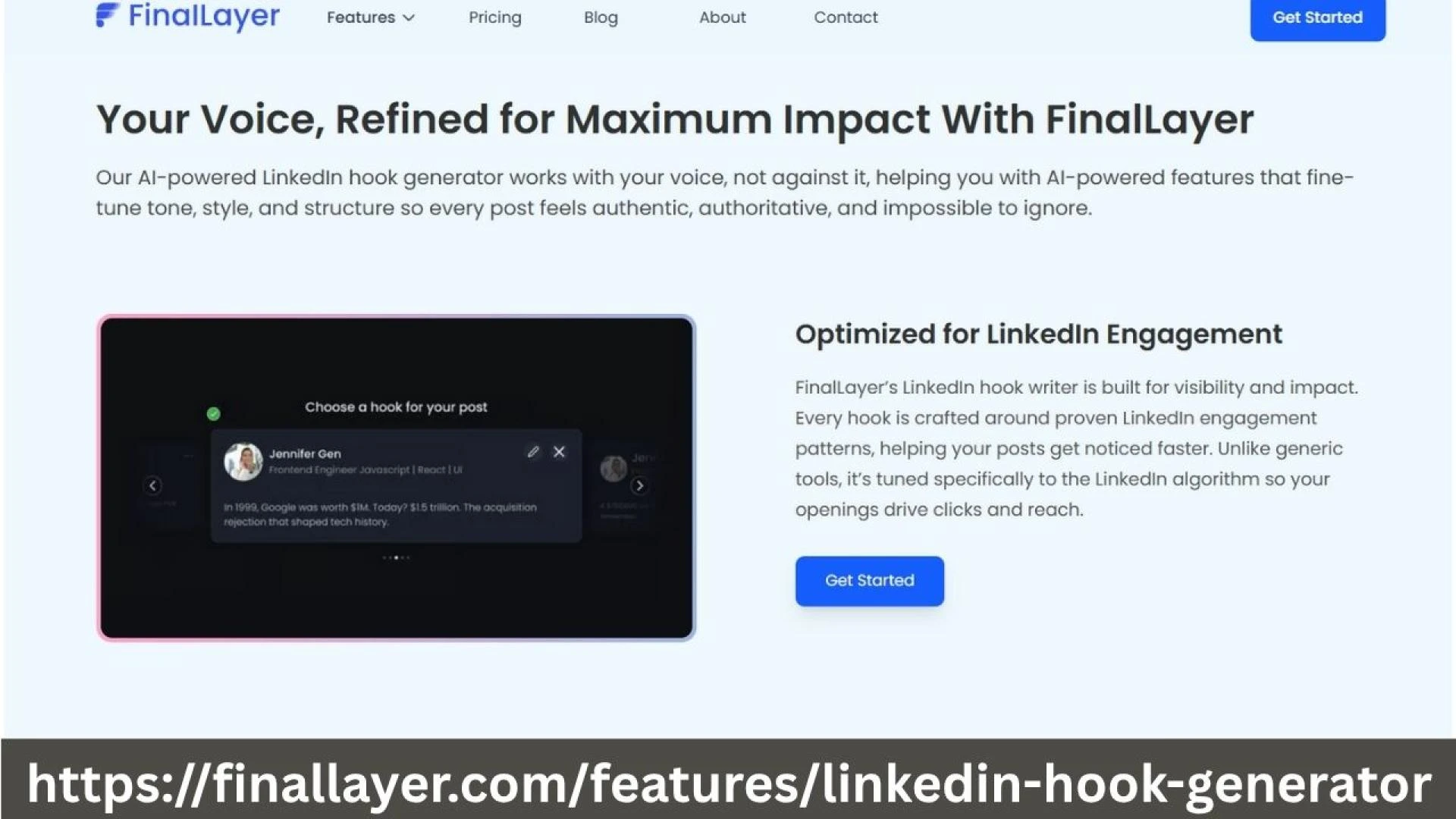
Using an ai hook generator can simplify this process. These tools use artificial intelligence to analyze your content and generate compelling opening lines tailored to your audience. By using such tools, even professionals with limited writing experience can create hooks that engage effectively.
Step 1: Define Your Audience
The first step in using a LinkedIn Hook Generator successfully is understanding your audience. Ask yourself who you are trying to reach. Are you targeting industry peers, potential clients, or recruiters? Understanding your audience helps the generator create hooks that resonate with the right people.
For instance, if your audience is startup founders, the generator can create hooks related to innovation, growth, and entrepreneurship. On the other hand, if your target is job seekers, hooks might focus on career advice, resume tips, or interview strategies. Clear audience definition ensures your hooks are relevant and effective.
Step 2: Identify Your Post Objective
Next, determine the goal of your post. Is your aim to educate, inspire, or promote a product or service? Knowing your objective guides the AI hook generator to produce lines that align with your post’s purpose.
For example, if your goal is to share industry insights, your hook could start with a surprising statistic or trend. If the goal is to inspire, the hook might include a motivational statement or anecdote. Being clear on your objective ensures that your LinkedIn post starts with a strong and focused hook.
Step 3: Input Relevant Information
Once your audience and objective are clear, the next step is to provide the necessary input to the LinkedIn Hook Generator. This can include keywords, topic ideas, or even a short description of your post. The generator uses this information to craft opening lines that are specific, relevant, and attention-grabbing.
For example, if you are posting about digital marketing tips, inputting keywords like "SEO strategy," "social media growth," and "content marketing" will help the generator produce hooks that match your content. Using precise and relevant input improves the quality of the generated hooks.
Step 4: Evaluate and Customize Hooks
While the AI hook generator provides ready-made options, it is essential to evaluate and customize the hooks. Not every generated hook will fit your style or tone perfectly. Review the options and make adjustments to match your voice and the expectations of your audience.
For instance, you might shorten a longer hook, add a question, or include an emoji for emphasis. Customization ensures that the generated hooks feel authentic and align with your personal or brand identity.
Step 5: Test and Analyze Performance
After posting, monitor how your hooks perform. Engagement metrics like views, likes, comments, and shares indicate whether your opening lines are effective. Testing different hooks for similar posts helps identify what resonates best with your audience.
Using insights from these analytics, you can refine your future hooks, making them increasingly effective over time. The combination of AI-generated ideas and real-world testing creates a powerful strategy for LinkedIn content success.
Step 6: Integrate Consistency in Posting
Consistency is key in building an engaged audience on LinkedIn. Use your LinkedIn Hook Generator regularly to maintain a steady flow of attention-grabbing posts. Consistent posting strengthens your professional presence and ensures that your content remains visible to your network.
Integrating hooks into a content schedule allows you to plan posts ahead and maintain high-quality engagement. Over time, a consistent posting strategy supported by effective hooks can significantly increase your LinkedIn influence.
Conclusion
A LinkedIn Hook Generator is a valuable tool for anyone looking to improve their LinkedIn content. By defining your audience, setting clear objectives, providing relevant input, and customizing generated hooks, you can create posts that capture attention and drive engagement. Additionally, testing performance and maintaining consistency ensures long-term success. FinalLayer provides solutions that make creating attention-grabbing LinkedIn posts simple and efficient. Using a LinkedIn Hook Generator can transform the way you communicate on LinkedIn, helping your posts stand out in a crowded professional space. By following these steps, you can leverage AI tools effectively and make your LinkedIn content more impactful than ever.