
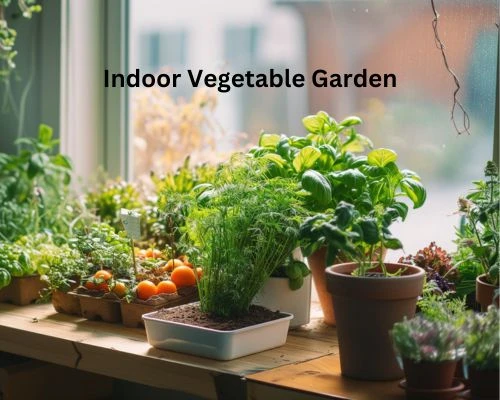
Indoor vegetable gardening is an awe-inspiring way to enjoy fresh produce all year round, irrespective of the weather conditions. Be it an amateur or an expert gardener, growing vegetables indoors can be very fulfilling and, surprisingly, simple. Read this thorough guide to building a successful indoor garden.
Choose Your Vegetables:
Certain varieties of vegetables are more suitable to grow indoors than others. Spinach, lettuce, and kale thrive because they're leafy greens requiring little space. Fresh herbs such as basil, cilantro, and mint are also suitable, especially on a kitchen windowsill. You can grow root vegetables like radishes and carrots indoors, as long as your containers are deep enough. Cherry tomatoes and peppers respond well to proper lighting, temperature, and space.
Choose Suitable Containers:
It's very important to choose the right containers for the healthy growth of the plants. Pots should have drainage holes to drain out excess water. For shallow-rooted plants like lettuce, a small pot is acceptable, but for thick-rooted plants, like carrots, use deeper pots with a minimum of ten inches in height. Maximize your available indoor space by using hanging baskets and vertical planters.
Use Good Quality Potting Soil:
Indoor gardening does not usually have natural soil available for use as is the case for outdoor gardening; it requires good quality potting mix. Consider using well-drained, nutrient-rich soil specifically formulated for vegetable growing. Avoid garden soil, as it may contain pests and is not sufficiently aerated.
Give Enough Light:
Vegetables need ample light to grow. If you are lucky enough to have a sunny windowsill, place your plants there so that they receive 6-8 hours of sunlight each day. Supplement natural light with grow lights if needed. LED grow lights are a wise option, as they consume less energy and use the full spectrum of light needed by the plants.
Maintain Temperature and Humidity:
The temperature ranges from 65°F to 75°F (18°C to 24°C) is preferred for growing most vegetables. Do not place plants near drafts or heating vents. Indoor plants may also benefit from humidity, which you can provide by occasionally misting them or using a small humidifier, particularly during winter.
Water Well, but Only When Necessary:
One of the major mistakes made in indoor gardening is over-watering the crops; water them only when the first inch of the surface soil dries up, and ensure that there is no standing water under the plants. Use water at room temperature so that you do not shock the plants; self-watering pots are a great help in maintaining the moisture level.
Fertilize when Required:
Indoor plants depend on you for nutrients. If you want them to grow healthily, apply a balanced organic fertilizer once or twice each month. Liquid fertilizers work well for quick nutrient absorption. Be careful not to over-fertilize; this is a sure way for your plants to become leggy or weak.
Pest and Disease Monitoring:
Every single indoor plant could have its share of pests. These include aphids and fungus gnats. Check your plants frequently, and if you see any pests, remove those botherers by hand. For all your organic solutions, both neem oil and insecticidal soap work quite well. Ensuring healthy air circulation and watering habits is key to preventing disease or mold.
Harvest and Enjoy:
When your veggies are ready to harvest, pick them regularly so that growth can continue. Freshly picked greens, herbs, and vegetables are a joy to eat, as well as fill you with a sense of pride and achievement.
Conclusion:
Indoor vegetable gardening is an incredible way to get fresh, healthy produce into your home while you enjoy the fruits of your gardening labor all year round. Given the proper setup, attention, and care, you can have a whole slew of vegetables even if you have only available small spaces. Because you can grow, say, a few herbs on the kitchen window sill or a dedicated indoor vegetable garden, the rewards of indoor vegetable gardening right in your own home are more than worth it. If you garden indoors often, wearing grow room glasses can help protect your eyes. So take your journey to grow indoors! And enjoy the taste of home-grown goodness!