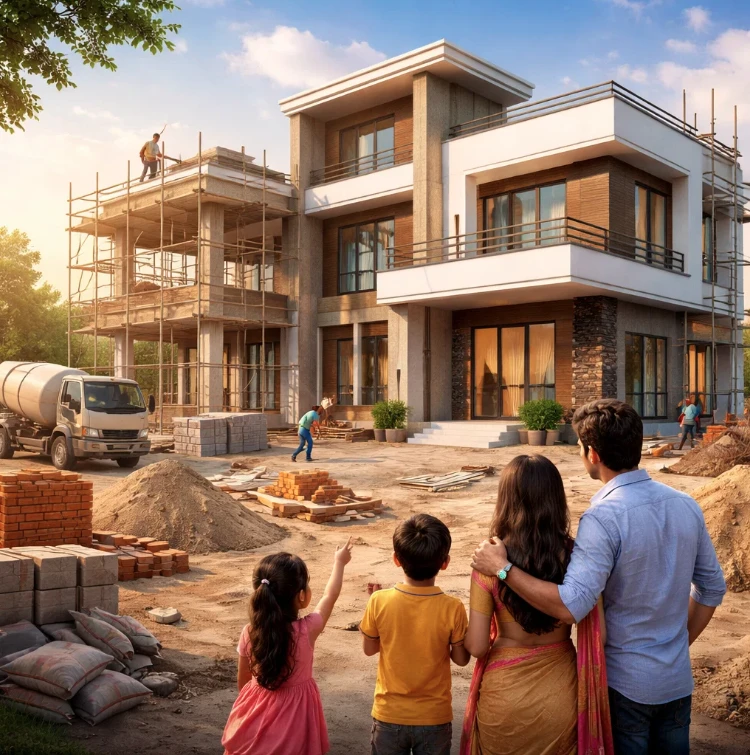
Building a modern home isn’t just about walls, roofs, and décor — it’s about bringing together innovation, design precision, and sustainability. From the first draft on paper to the moment you receive the keys, every phase demands thoughtful planning, teamwork, and technical expertise. Whether you’re a first-time homeowner or upgrading to a contemporary living space, understanding how your dream home takes shape helps you make better decisions at every stage.
What Defines a Modern Home?
A modern home is more than just aesthetic appeal. It represents comfort, functionality, and efficiency — where design meets purpose. Modern homes prioritize natural light, open spaces, and smart systems for energy efficiency. The integration of sustainable materials, minimalistic designs, and eco-friendly solutions defines the modern architecture of today.
The Importance of Planning and Execution
Before construction begins, a well-laid plan ensures smooth execution. Proper coordination between engineers, designers, and contractors prevents cost overruns and delays. Every successful project starts with a clear roadmap — and that’s where expert guidance makes all the difference.
Pre-Construction Phase
Site Selection and Surveying
The journey starts with selecting the right plot. Soil testing, topographic surveys, and accessibility checks are essential to confirm the land’s suitability. A detailed site survey helps avoid future issues related to drainage, foundation stability, or legal clearances.
Design and Planning
Once the site is approved, the design phase begins. Here, architects collaborate with engineers to create blueprints balancing aesthetics and practicality. The design includes layout plans, elevation drawings, and 3D visualizations that reflect your lifestyle and preferences.
Budgeting and Financing
A realistic budget ensures the project stays on track. This includes material costs, labor charges, permits, and contingency reserves. Financing options are often explored during this stage to manage cash flow effectively.
Obtaining Permits and Approvals
Before any construction starts, local municipal permits, environmental clearances, and structural approvals must be obtained. This ensures your project complies with building codes and safety standards.
Foundation and Structure
Excavation and Foundation
The foundation is the backbone of the structure. Excavation work is done according to the site plan, followed by laying footings and reinforced concrete. Proper curing and waterproofing ensure long-term durability.
Framing the Structure
Once the foundation sets, the framing stage defines the shape of your home. Steel or concrete frameworks are erected to support walls, ceilings, and floors. This stage also accommodates electrical and plumbing conduits for easier installation later.
Installing Window and Door Frames
Precision installation of door and window frames ensures proper insulation, ventilation, and alignment. High-quality materials like uPVC or aluminum enhance both energy efficiency and aesthetics.
Roofing and External Work
Roof Framing and Installation
The roof not only protects your home but also contributes to its overall design. Depending on the style, it could be flat, pitched, or sloped. Weatherproofing layers and insulation materials are applied to maintain comfort across seasons.
External Wall Construction
Walls are built using concrete blocks or bricks, with adequate curing and reinforcement. External plastering adds strength and smoothness for final finishes.
External Cladding and Finishes
Modern cladding materials like stone veneer, glass panels, or textured paint give homes a refined look while protecting them from weather elements.
Landscaping and External Features
Driveways, pathways, gardens, and fencing complete the exterior. Green spaces, lighting, and patios elevate the outdoor experience and enhance curb appeal.
Internal Work and Systems Installation
Electrical Systems
After the main structure, internal wiring for power, lighting, and communication systems is laid out. Circuit safety and smart controls are integrated for efficiency.
Plumbing and Water Systems
This includes setting up pipelines, drainage systems, and water tanks. Leak-proof installations ensure efficient water distribution throughout the property.
HVAC Systems
Modern homes use energy-efficient heating, ventilation, and air conditioning systems. Proper ducting and placement enhance indoor air quality and comfort.
Insulation and Soundproofing
Thermal and acoustic insulation materials are installed to maintain a quiet, energy-saving interior environment.
Interior Finishes and Fixtures
Flooring Installation
Floor finishes — tiles, hardwood, or vinyl — are chosen for both functionality and style. Precision installation ensures level surfaces and a polished look.
Wall Finishes
Walls are plastered, painted, or wallpapered depending on design preferences. Light-colored tones often enhance natural brightness.
Ceiling Design
False ceilings or suspended panels can conceal wiring and add visual depth with lighting integration.
Bathroom and Kitchen Fittings
This stage adds practicality and luxury — from modular kitchen setups to stylish bathroom fixtures, faucets, and tiles.
Final Touches and Customization
Smart Home Features
Automation systems, energy-efficient lighting, and app-controlled appliances transform a modern house into a smart home.
Customization and Décor
From furniture to artwork, this phase personalizes the space to reflect your lifestyle and taste.
Landscaping Enhancements
Adding water features, vertical gardens, or lighting highlights completes the overall home ambiance.
Quality Check and Handover
Final Inspection
A detailed inspection ensures everything aligns with the approved plan — from structural integrity to system functionality.
Handover and Documentation
Once approvals are complete, legal documents, warranties, and manuals are handed over to the homeowner.
Cleaning and Final Touchups
Before handover, the site is cleaned, polished, and inspected one final time to ensure readiness for move-in.
Property Handover
The moment every homeowner waits for — the keys are handed over, marking the successful completion of the dream project.
Building Your Dream Modern Home
Constructing a modern home is both exciting and rewarding when guided by experts who understand every technical and creative detail. With professional supervision and transparent communication, you can ensure your dream home stands strong, beautiful, and sustainable for generations.
Why Choose Us
At Elite Blueprints Consultancy, we specialize in turning visions into reality through innovation, design precision, and quality craftsmanship. Our expert team streamlines every phase — from concept to completion — ensuring efficiency, aesthetics, and durability. Whether you’re building in urban hubs or peaceful suburbs, we bring expertise, reliability, and creative excellence to every project.
📞 Call Us Today: +91-82500 86323, +91-90462 50581
🌐 Visit: www.ebcsiliguri.com
📍 Based in Siliguri | Serving India
Conclusion
Building your dream modern home requires a blend of creativity, technology, and precision. As one of the leading home design and construction experts, we ensure your project is handled with excellence from start to finish. With our team of experienced architects in west bengal, we transform ideas into living spaces that reflect comfort, sustainability, and modern elegance.
🧩 People Also Ask – FAQs
1. How long does it take to build a modern home?
Typically, it takes 9–18 months, depending on the size, design complexity, and approval timelines.
2. What are the most important stages of construction?
Planning, foundation work, structural framing, and finishing are the most crucial stages to ensure long-term durability.
3. How can I ensure my home construction stays within budget?
Set a clear budget, plan ahead, and work with experienced professionals who maintain transparency and track costs effectively.
4. Why is quality inspection important before handover?
A final inspection ensures safety, functionality, and design compliance — preventing future repair issues.