
In the realm of modern medicine, few innovations hold as much transformative potential as stem cell therapy. Often described as the body’s "master cells," stem cells possess the unique ability to develop into various cell types and repair damaged tissues. This remarkable capacity has sparked hope for millions suffering from chronic diseases and debilitating injuries—conditions once considered untreatable or manageable only through palliative care. From neurodegenerative disorders like Parkinson’s disease to spinal cord injuries and heart failure, stem cell treatments are emerging as a beacon of possibility in a landscape of medical challenges.
The journey of stem cell research began decades ago, but recent advancements have propelled it into the spotlight. Scientists are unlocking mechanisms to harness stem cells’ regenerative power, offering a glimpse into a future where chronic conditions might not just be managed but cured. This article explores the science behind stem cells, their applications in treating chronic diseases and injuries, the ethical and practical hurdles they face, and the horizon of possibilities they promise.
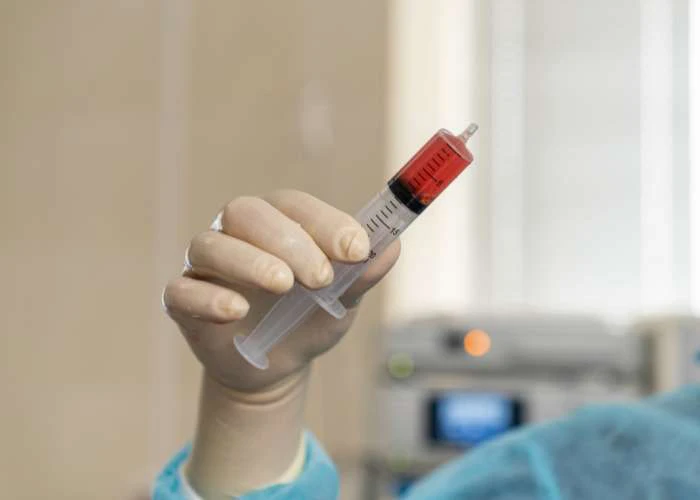
Understanding Stem Cells: The Building Blocks of Life
What Are Stem Cells?
At their core, stem cells are undifferentiated cells capable of self-renewal and differentiation. Unlike specialized cells—such as muscle or nerve cells—that perform specific functions, stem cells are blank slates. They can divide to produce more stem cells or transform into specialized cells like neurons, cardiomyocytes, or osteoblasts, depending on the body’s needs.
There are three primary types of stem cells relevant to medical treatment:
- Embryonic Stem Cells (ESCs): Derived from early-stage embryos, these pluripotent cells can become almost any cell type in the body. Their versatility makes them invaluable for research, though their use raises ethical questions.
- Adult Stem Cells (ASCs): Found in tissues like bone marrow and fat, these multipotent cells are more limited in their differentiation potential but are crucial for natural tissue repair.
- Induced Pluripotent Stem Cells (iPSCs): Adult cells reprogrammed to an embryonic-like state, iPSCs combine the flexibility of ESCs with fewer ethical concerns, as they don’t require embryo destruction.
How Stem Cells Work
Stem cells contribute to healing through two main mechanisms: differentiation and paracrine signaling. In differentiation, they replace damaged or lost cells by transforming into the required cell type—for instance, becoming neurons to repair a damaged brain. In paracrine signaling, stem cells release bioactive molecules like growth factors and cytokines that stimulate surrounding cells to regenerate or reduce inflammation, enhancing the body’s natural repair processes.
This dual action underpins their potential to treat conditions where tissues fail to heal naturally, such as in chronic diseases or severe injuries.
Stem Cells and Chronic Diseases: A New Frontier
Chronic diseases—long-lasting conditions like diabetes, heart disease, and arthritis—affect over 40% of the global population, according to the World Health Organization. Traditional treatments often focus on symptom management rather than addressing root causes. Stem cell therapy, however, aims to repair or regenerate damaged tissues, offering hope for more definitive solutions.
Neurological Disorders
Neurodegenerative diseases like Alzheimer’s, Parkinson’s, and amyotrophic lateral sclerosis (ALS) involve the progressive loss of neurons. Stem cell therapy seeks to replace these lost cells or support surviving ones.
- Parkinson’s Disease: Caused by the death of dopamine-producing neurons in the brain, Parkinson’s leads to tremors and motor difficulties. Clinical trials have explored transplanting stem-cell-derived dopaminergic neurons into patients’ brains. A 2021 study in The New England Journal of Medicine reported improved motor function in some patients after such treatments, though long-term efficacy remains under investigation.
- Alzheimer’s Disease: Here, the challenge is replacing diverse neuron types and addressing amyloid plaques. While still experimental, iPSCs are being studied to model the disease and test regenerative strategies.
Cardiovascular Diseases
Heart disease, a leading cause of death worldwide, often results from irreparable damage to cardiac tissue after a heart attack. Stem cells offer a chance to regenerate myocardium (heart muscle).
- Cardiac Repair: Trials using mesenchymal stem cells (MSCs) from bone marrow have shown promise in improving heart function. A 2023 meta-analysis in Circulation found that MSC injections post-heart attack enhanced left ventricular ejection fraction—a key measure of heart performance—by an average of 7%.
- Limitations: The heart’s complex structure means full regeneration remains elusive, but stem cells may reduce scar tissue and inflammation, buying time for patients awaiting transplants.
Diabetes
Type 1 diabetes stems from the autoimmune destruction of insulin-producing beta cells in the pancreas. Stem cell therapy aims to replenish these cells.
- Beta Cell Replacement: Researchers have used ESCs and iPSCs to generate functional beta cells in the lab. A 2022 trial by Vertex Pharmaceuticals reported that a patient with type 1 diabetes achieved insulin independence for months after receiving stem-cell-derived beta cells, a groundbreaking milestone.
- Challenges: Scaling this approach and preventing immune rejection are ongoing hurdles, but the potential to eliminate daily insulin injections is transformative.
Autoimmune Diseases
Conditions like multiple sclerosis (MS) and rheumatoid arthritis involve the immune system attacking the body’s own tissues. Stem cells, particularly hematopoietic stem cells (HSCs) from bone marrow, can "reset" the immune system.
- MS Treatment: Autologous HSC transplantation—where a patient’s own stem cells are harvested, the immune system is wiped out with chemotherapy, and the stem cells are reintroduced—has halted disease progression in some MS patients, according to a 2020 study in JAMA Neurology.
- Broader Applications: Similar approaches are being tested for lupus and Crohn’s disease, with early results suggesting reduced inflammation and tissue damage.
Stem Cells and Injuries: Repairing the Irreparable
Beyond chronic diseases, stem cell therapy is revolutionizing treatment for acute and traumatic injuries, particularly those involving tissues with limited natural regeneration capacity.
Spinal Cord Injuries
Spinal cord injuries (SCIs) often lead to permanent paralysis due to the spinal cord’s inability to regenerate neurons and axons. Stem cells offer a dual approach: replacing lost cells and creating a supportive environment for repair.
- Clinical Trials: A 2024 phase II trial by Asterias Biotherapeutics used oligodendrocyte progenitor cells (derived from ESCs) to treat acute SCIs. Some patients regained motor function, with one regaining the ability to use their hands—a rare outcome in SCI recovery.
- Mechanism: These cells not only replace damaged ones but also secrete factors that reduce scarring and promote axon growth, critical for reconnecting neural pathways.
Bone and Cartilage Repair
Orthopedic injuries, such as fractures that won’t heal or cartilage loss in osteoarthritis, benefit from stem cells’ ability to form bone and connective tissue.
- Bone Regeneration: MSCs injected into fracture sites accelerate healing, especially in non-union fractures (where bones fail to fuse). A 2023 study in The Lancet reported a 30% faster healing rate with MSC therapy compared to standard care.
- Osteoarthritis: Intra-articular injections of MSCs have reduced pain and improved joint function in early trials, though cartilage regrowth remains partial.
Burn and Tissue Regeneration
Severe burns and chronic wounds, like diabetic ulcers, challenge conventional treatments due to extensive tissue loss. Stem cells can rebuild skin and underlying structures.
- Skin Grafts: Epidermal stem cells and iPSCs have been used to create skin substitutes. A 2022 case study in Nature Medicine described a burn patient receiving a stem-cell-derived skin graft that integrated successfully, reducing infection risk and scarring.
- Wound Healing: MSCs applied to chronic wounds enhance angiogenesis (blood vessel formation) and collagen production, speeding recovery.
The Science Behind Stem Cell Therapy: Advances and Techniques
Sourcing Stem Cells
The choice of stem cell type depends on the condition and ethical considerations:
- Embryonic Stem Cells: Harvested from unused IVF embryos, ESCs are highly versatile but controversial.
- Adult Stem Cells: Extracted from bone marrow, fat, or blood, ASCs are less flexible but readily available and ethically uncontentious.
- iPSCs: Reprogramming adult cells (e.g., skin cells) with transcription factors creates pluripotent cells without embryo use, a breakthrough credited to Shinya Yamanaka’s 2012 Nobel Prize-winning work.
Delivery Methods
Getting stem cells to the right place is critical:
- Injection: Direct injection into tissues (e.g., heart or joints) ensures targeted delivery.
- Systemic Infusion: Intravenous administration allows stem cells to home in on damaged areas via the bloodstream, though efficiency varies.
- Scaffolds: Bioengineered matrices seeded with stem cells guide tissue regeneration, especially in bone or skin repair.
Gene Editing Synergy
CRISPR and other gene-editing tools enhance stem cell therapy by correcting genetic defects before transplantation. For example, in sickle cell disease, HSCs are edited to produce healthy hemoglobin, then reintroduced to the patient—a curative approach approved by the FDA in 2023.
Challenges and Controversies
Scientific Hurdles
Despite progress, stem cell therapy faces significant obstacles:
- Immune Rejection: Allogeneic (donor-derived) stem cells risk rejection unless matched or immunosuppressants are used.
- Tumor Risk: Pluripotent cells like ESCs and iPSCs can form teratomas (tumors) if not fully differentiated before transplantation.
- Scalability: Producing enough high-quality cells for widespread use remains costly and technically demanding.
Ethical Dilemmas
The use of ESCs has long sparked debate. Opponents argue it destroys potential human life, while proponents emphasize its medical benefits. iPSCs have mitigated this issue, but questions linger about equitable access and commercialization.
Regulatory Landscape
Governments worldwide grapple with balancing innovation and safety. The FDA and EMA (European Medicines Agency) approve therapies only after rigorous trials, yet unproven "stem cell clinics" exploit desperate patients with untested treatments. A 2021 Stem Cell Reports investigation found over 700 such clinics in the U.S. alone, underscoring the need for stricter oversight.
The Future of Stem Cell Therapy
Personalized Medicine
Advances in iPSCs and gene editing pave the way for tailored treatments. A patient’s own cells could be reprogrammed, edited to fix genetic flaws, and returned to treat their specific condition—minimizing rejection and maximizing efficacy.
Organ Regeneration
Growing whole organs from stem cells remains a distant goal, but progress is accelerating. In 2023, scientists at the University of Tokyo used iPSCs to create functional mini-livers in mice, hinting at future human applications.
Combination Therapies
Stem cells may work best alongside other treatments—drugs, physical therapy, or biomaterials—enhancing outcomes in complex diseases like cancer or traumatic brain injury.
Global Access
Making stem cell therapy affordable and accessible worldwide is a priority. Initiatives like the International Stem Cell Forum aim to standardize protocols and reduce costs, ensuring this hope isn’t limited to wealthy nations.
Patient Stories: Real-World Impact
John’s Journey with Parkinson’s
John, a 62-year-old retired teacher, joined a stem cell trial in 2022 after years of worsening Parkinson’s symptoms. After receiving ESC-derived neurons, he regained steadiness in his hands, allowing him to write again—a small but profound victory.
Maria’s Spinal Recovery
Maria, a 29-year-old injured in a car accident, received MSC therapy for her SCI in 2023. Within a year, she could move her toes—progress her doctors called "miraculous" for a once-paralyzed patient.
A Horizon of Hope
Stem cell therapy stands at the cusp of a medical revolution, offering hope where conventional treatments fall short. For chronic diseases like diabetes and Alzheimer’s, it promises regeneration over resignation. For injuries like spinal cord damage, it redefines recovery. Yet, the path forward requires overcoming scientific, ethical, and logistical challenges to ensure this potential benefits all.