
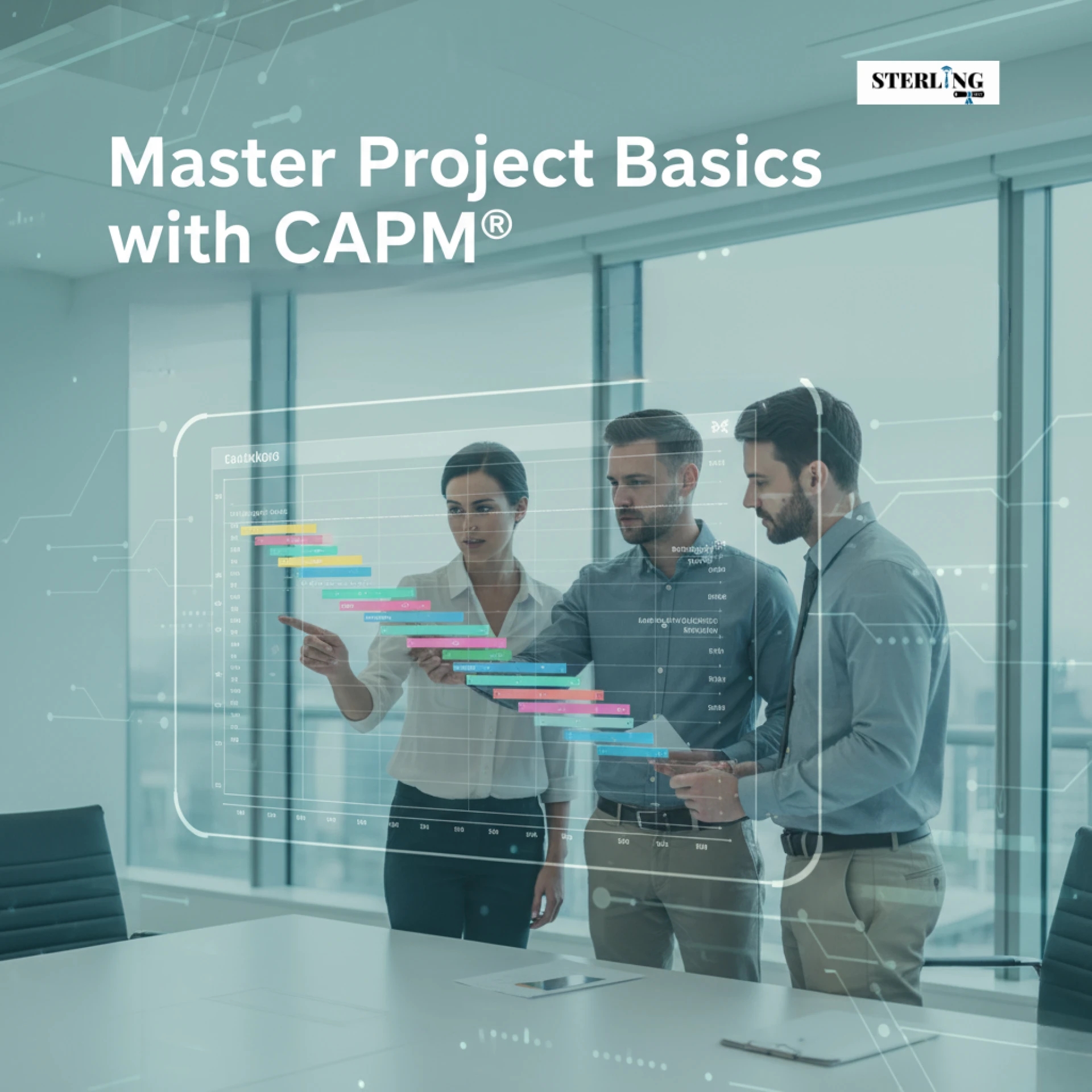
Starting a career in project management can be challenging for individuals without formal training or experience. Certified Associate in Project Management (CAPM) certification offers a clear pathway to learn foundational project management principles. Recognized globally by the Project Management Institute (PMI), CAPM Certification equips learners with essential knowledge of project lifecycles, methodologies, and terminology. For beginners, it validates skills in planning, execution, and monitoring of projects while demonstrating commitment and credibility to employers. CAPM is ideal for those entering IT, business, or operational roles, providing the confidence and skills needed for long-term career growth in project management.
Why CAPM Certification Is Important for Career Starters
CAPM is specifically designed for individuals who are entering project management for the first time. Unlike advanced certifications such as PMP, CAPM focuses on foundational project management principles, including the five process groups and ten knowledge areas defined by PMI. Holding CAPM demonstrates an understanding of structured project management approaches, which is highly valued by organizations seeking reliable project coordinators, assistant project managers, or business analysts.
It equips professionals to handle real-world project responsibilities confidently, ensuring they can contribute effectively to project teams and support senior managers in delivering projects on time and within scope.
Key Project Management Skills Developed Through CAPM
CAPM equips learners with essential project management competencies:
Project Planning and Scheduling: Learn to define goals, tasks, timelines, and deliverables effectively.
- Resource Allocation: Manage human, financial, and material resources efficiently.
- Risk Assessment and Mitigation: Identify potential challenges and implement strategies to minimize impact.
- Team Collaboration: Communicate effectively with team members and stakeholders.
- Monitoring and Reporting: Track project progress using established metrics and report outcomes clearly.
- Quality Management: Apply quality standards to ensure deliverables meet project objectives.
These skills are applicable across industries and prepare beginners for real-world project challenges.
CAPM Exam Insights: Format, Duration, and Preparation Tips
CAPM exam tests knowledge of PMI standards and project management fundamentals:
Format: 150 multiple-choice question
Duration: 3 hours
Coverage: Five process groups, ten knowledge areas, tools, and techniques
To succeed, candidates should study the PMBOK Guide, complete mock tests, and engage in scenario-based exercises. Structured study schedules and practical examples improve retention and readiness. Understanding real-world applications of these concepts ensures learners are not just memorizing, but can apply knowledge in professional settings.
Mapping a CAPM Learning Path
A step-by-step approach ensures successful certification:
- Familiarize with PMI Standards: Read and understand the PMBOK Guide.
- Enroll in CAPM Training: Choose online or instructor-led courses for structured learning.
- Practice Exam Questions: Use mock tests and scenario exercises to reinforce knowledge.
- Apply Knowledge Practically: Relate concepts to real or hypothetical projects.
- Schedule and Take the Exam: Review all topics before attempting the CAPM exam.
Following a structured roadmap ensures learners are confident, prepared, and successful.
Industries and Sectors That Value CAPM
CAPM is recognized across multiple industries:
- Information Technology (IT): Software development, systems integration, and IT projects.
- Healthcare: Hospital administration, medical projects, and operational planning.
- Finance and Banking: Project oversight, process improvement, and compliance initiatives.
- Construction and Engineering: Coordination of engineering projects, site management, and planning.
- Business and Consulting: Corporate projects, organizational change, and operational programs.
Employers in these sectors value CAPM holders for their structured approach and readiness to contribute from day one.
Next Steps: Progressing From CAPM to Advanced Roles
After earning CAPM, professionals can pursue advanced certifications and career growth:
- PMP Certification: For experienced project managers seeking leadership roles.
- Project Management Career Progression: Move from coordinator roles to project manager or program manager positions.
- Industry Expansion: Apply skills in IT, healthcare, finance, engineering, or consulting projects.
CAPM provides a foundation for long-term career growth, practical project experience, and opportunities to assume larger responsibilities.
Practical Application of CAPM Knowledge
CAPM equips learners to handle real-world responsibilities effectively:
- Project Support: Assist managers with scheduling, documentation, and progress tracking.
- Stakeholder Communication: Present updates, risks, and milestones clearly.
- Process Implementation: Apply structured methodologies to project tasks and workflows.
- Team Collaboration: Work efficiently with cross-functional teams to meet project objectives.
These applications not only improve individual performance but also demonstrate the value CAPM holders bring to project teams and organizations.
Conclusion
CAPM certification serves as a practical starting point for anyone entering the project management field. It equips beginners with the knowledge, skills, and globally recognized credentials necessary to plan, execute, and monitor projects confidently. CAPM Certification holders can take on entry-level roles such as project coordinator, assistant project manager, or business analyst, gaining hands-on experience while demonstrating credibility to employers. By providing a structured learning path, practical application, and preparation for real-world projects, CAPM lays the foundation for a long-term career trajectory in project management, including advancement to PMP and leadership positions.
Start a Project Management Career with CAPM
1.What is the CAPM Project Management Certification?
CAPM (Certified Associate in Project Management) is PMI’s globally recognized entry-level certification, validating knowledge of structured project management practices.
2.Can the course be done online?
Yes. CAPM training is available in both self-paced and instructor-led online formats, often including access to recordings, mock tests, and study materials.
3.How does CAPM Certification compare to PMP?
CAPM is designed for individuals new to project management, while PMP targets professionals with extensive experience. CAPM serves as a foundational step toward advanced project management certifications.
4.Is the CAPM Exam difficult?
The exam is manageable with proper preparation. Studying the PMBOK Guide, completing practice questions, and engaging in scenario-based exercises helps ensure readiness.
5.Is exam support available?
Yes, candidates can access guidance for exam registration, scheduling, and planning mock tests to prepare effectively.
6.Can I retake the exam if I fail?
Yes. PMI allows up to three attempts within a year of application approval for the CAPM Exam.
7.What career paths are available after CAPM?
Certified professionals often move into roles such as project coordinator, project analyst, or assistant project manager. Many later pursue PMP for higher-level positions.
8.How often must the CAPM Certification be renewed?
The CAPM is valid for five years, after which renewal requires retaking the exam.