
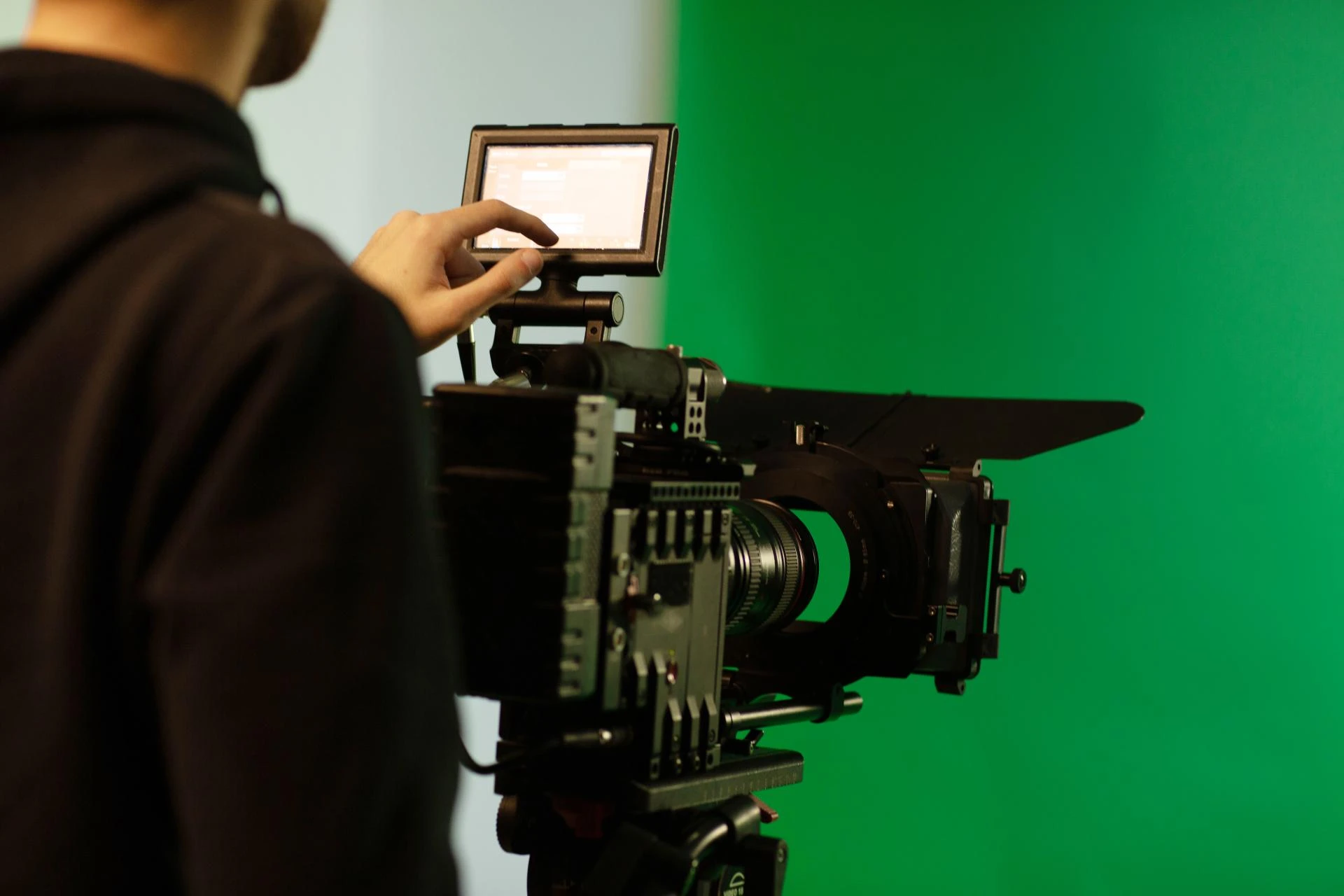
Ever looked at a high-end commercial or a cinematic YouTube ad and thought, “I could totally make that?” Well, if you've been bitten by the production bug, it’s time to consider starting your own video production company.
But, hold that camera for a second. Before you hit record on your entrepreneurial journey, let’s talk prep. Not the boring “file these forms and good luck” kind. We’re talking lights, camera, strategy. Ready to script your behind-the-scenes success? Good. Here’s the checklist you need to turn your dream of owning a video production company into a reality worth watching.
The Role Of A Video Production Company
What do they really do? Yes, we are answering this ahead! The core responsibility of any video production company is to produce visual content. But we’re not talking about shaky phone videos. We're talking about actual, professionally executed content that follows a production pipeline. Before you can sell yourself as a company, you need to understand the lifecycle of video creation. This includes:
- Pre-production. Conceptualizing, scripting, planning, casting
- Production. Filming, directing, managing talent, and gear
- Post-production. Editing, sound design, color correction, final delivery
A successful video production company knows how to manage every step of this process with clarity and creative intent.
Choose A Niche Before You Build Your Reel
Let’s have a quick moment of honesty. Trying to offer every kind of video service to every kind of client is like trying to shoot an action scene and a wedding on the same day. Messy! And, maybe…context-less? Basically, you need a niche. Not forever, but definitely for the start.
What kind of work are you drawn to? Are you obsessed with storytelling, or do you dream in product shots? Do you thrive on events, love working with startups, or see yourself as a fashion-focused creator?
Once you’ve figured that out, build your offerings around it. This helps your brand stand out and gives your work a consistent feel. Some niche areas for a video production agency could include:
- Corporate explainer videos
- Lifestyle and brand documentaries
- Product videos for eCommerce
- Music videos and event coverage
- Commercials and social ad creatives
Build A Brand That Looks As Good As Your B-Roll
Yes, your videos should be stunning. But your brand? It should also feel cinematic. Think of your video production company like a story. What’s the tone? What’s the theme? What visuals define your identity? This is where many creatives trip. They produce awesome content, but their own website looks like it was built in 2009. That’s a problem.
Before you book your first client, take the time to build:
- A sleek, responsive website with your showreel, services, and contact info
- A clean logo and color palette that reflects your style
- Social media pages that showcase your best work and behind-the-scenes shots
- A professional email and business phone number
Even the best video creation company needs more than just visuals to win clients. You need credibility. Your brand is how you start building it.
Prep Your Video Agency Without Breaking The Bank Balance
This part is where most people get stuck. The temptation to blow your entire budget on gear is real. But hear me out: clients don’t care what camera you use. They care about what the video looks and sounds like.
Start small, start smart. You don’t need cinema-grade rigs to deliver great work. What you do need is reliable equipment that lets you learn the craft, improve with every project, and scale when needed.
Once you know your niche, here’s a gear checklist to get rolling:
- A quality mirrorless or DSLR camera that shoots in 4K
- A tripod and a gimbal for stable, clean movement
- A couple of sharp lenses (a fast prime and a versatile zoom)
- Lavalier and shotgun microphones for crisp audio
- LED lighting kits for indoor or studio setups
- Backup storage drives (always)
Handle Your Legal Setup Early
You’re an artist. A storyteller. A video enthusiast. But you’re also starting a business, which means paperwork. Before you take on any paid work, make sure you’ve handled the essentials. No one likes this part, but it's non-negotiable. Setting up your video production company legally gives you protection, credibility, and structure.
Here’s what you’ll need to check off:
- Register your business name and entity (LLC, sole proprietorship, etc.)
- Set up a business bank account
- Apply for an EIN for tax and hiring purposes
- Get general liability insurance
- Use contracts. Always. For every project.
Pricing And Packages: Ensure Clarity
If you find pricing awkward, you’re not alone. But undercharging doesn’t help anyone…not you, not your clients, not the industry. Your rates reflect your value and the experience you offer. What should you charge? That depends on the scope, deliverables, and complexity of each job. But what matters most is how you communicate it.
Here’s how an expert video production agency does it:
- Create tiered packages (half-day, full-day, custom)
- Define exactly what’s included: hours, edits, formats
- Offer add-ons like drone footage, voiceovers, or motion graphics
- Set revision limits (important!)
- Be upfront about timelines and final delivery
You Don’t Need Too Many Clients To Build A Portfolio
Nobody wants to hire a company with zero work samples. But how do you build a reel when no one’s paying you yet? Simple. You create. Spec work, passion projects, collaborations, it all counts. What matters is how well it represents your skill, your storytelling, and your eye for visual detail. A growing video creation company never waits for permission to create.
Great portfolios often start with:
- Mock commercials for local products or brands
- Travel or event montages
- Short-form documentaries or interviews
- Concept shoots showcasing your editing and color grading
Build Workflows That Make You Look Like A Pro
Having skills does not make everyone a professional. What makes the experts different from those who started, or those doing it to ‘experiment ’? Systems. The workflow. A real video production company doesn’t just shoot; it organizes, communicates, and delivers like clockwork. Even if it’s just you and your camera, start building your workflow early:
- Use project management tools (Notion, Trello, or ClickUp)
- Track client inquiries and project timelines
- Create reusable templates for contracts, briefs, and call sheets
- Schedule client check-ins and revision deadlines
- Build an archive system for past footage and edits
Create A Smooth Onboarding Process For Clients
Some clients really get on the nerves. Like ghosting you midway……or ask for 11 more rounds of edits? A well-defined onboarding process prevents chaos and keeps expectations aligned. A reliable video production company guides every client like a creative partner. You need to be proactive, structured, and clear.
So, here are some key parts of an onboarding process:
- Discovery call or form to understand project goals
- Creative brief that outlines objectives and tone
- Timeline agreement with key milestones
- One-page contract with legal terms and payment schedule
- Intro email with what to expect next
Your First Hire Might Be A Freelancer
No matter how talented you are, you can’t do it all. As your workload increases, don’t hesitate to bring in specialized help. The right collaborator can elevate the project far beyond what you can do alone. This doesn’t mean building a full-time team from day one. That’s expensive and risky. Freelancers give you flexibility without the overhead.
Roles to consider:
- Cinematographers or drone operators
- Scriptwriters or copywriters
- Motion graphics artists
- Assistant editors
- Set designers or stylists
Stay Creative While Staying On Trend
Don’t get stuck doing the same edits over and over. The video world moves fast, and staying relevant is part of the job. Trends in storytelling, format, and distribution change constantly. You need to evolve. That means watching what others are doing, testing new platforms, and learning how to do more with less.
Want to be a future-ready video production company? Then you'd better keep experimenting.
- Try new color grading styles
- Learn motion graphics tools like After Effects
- Explore vertical video formatting for social media
- Study marketing trends to match client expectations
- Follow other creators and break down their editing techniques