
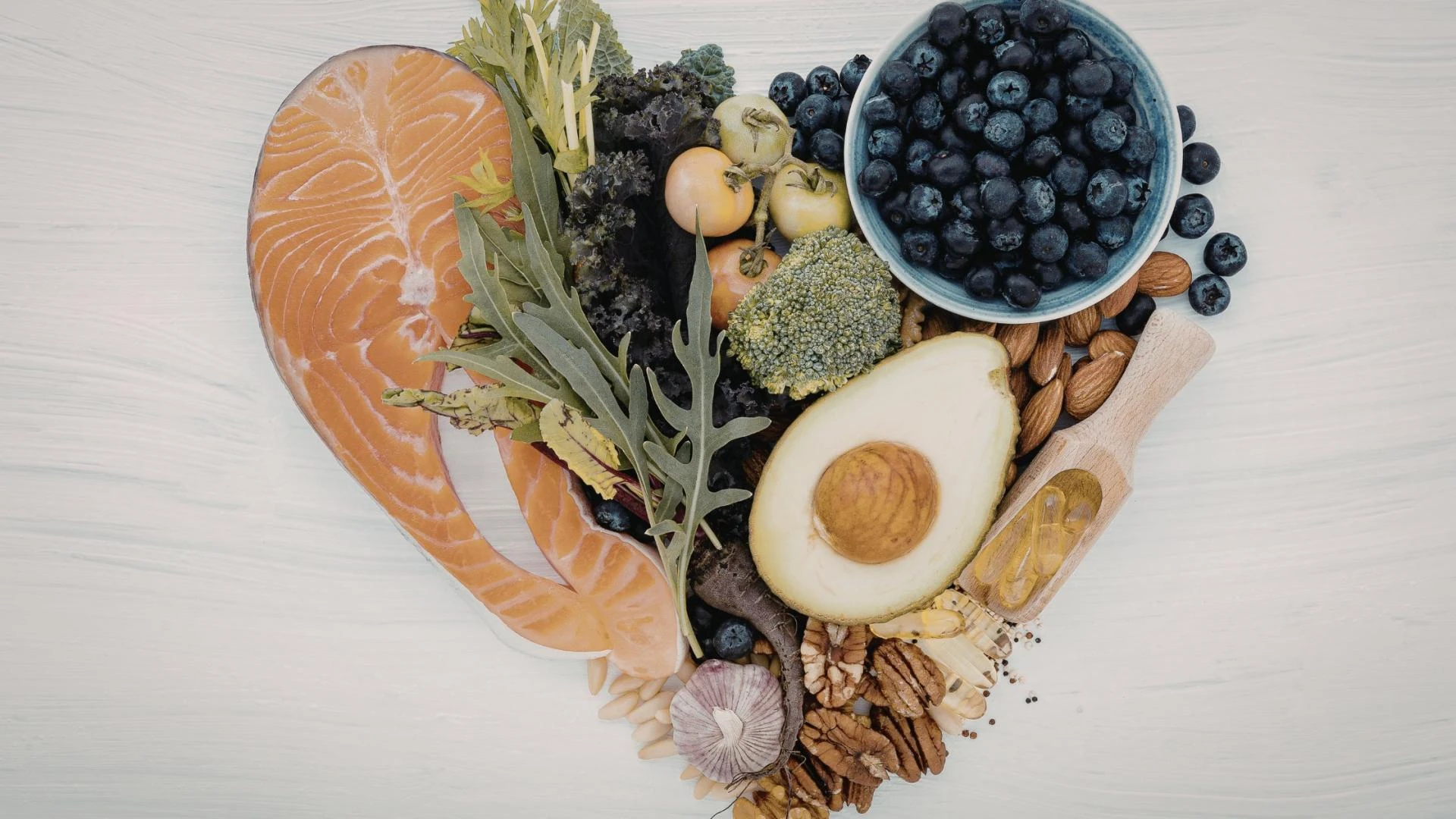
Heart disease remains one of the leading health concerns worldwide, and for good reason: our cardiovascular system is central to everything we do. Every beat, every breath, and every day of activity depends on the health of our heart and blood vessels. Yet for many people, diet — one of the most powerful levers for heart health — often gets overlooked or misunderstood.
If you’ve been thinking, “I should eat healthier for my heart,” but aren’t sure where to begin, this guide is for you. We’ll explore science-backed nutrition principles, practical food choices, and lasting habits that support a heart healthy diet without feeling like a passing fad.
Whether you’re starting from scratch or refining an existing eating pattern, this comprehensive look will help you approach heart health with confidence and clarity.
Why Diet Matters for Heart Health
Your heart doesn’t exist in isolation. It’s influenced by blood pressure, inflammation, cholesterol levels, blood sugar regulation, body weight, and the health of your entire vascular system. And all of these factors are strongly affected by the foods you eat.
A heart-healthy diet helps:
- Lower LDL (“bad”) cholesterol
- Improve HDL (“good”) cholesterol
- Reduce blood pressure
- Support healthy blood sugar levels
- Maintain a healthy weight
- Reduce inflammation
- Support long-term cardiovascular function
That’s a long list — and it shows why nutrition plays such a central role in preventing heart disease, managing existing cardiovascular conditions, and supporting longevity.
It’s also why cardiologists and dietitians increasingly focus on dietary patterns rather than individual “superfoods” alone.
The Big Picture: Patterns That Support a Healthy Heart
Rather than asking what single food will fix everything, it’s more useful to think about patterns — the overall way you eat day after day.
Several dietary patterns have strong evidence behind them for supporting heart health, including:
- Mediterranean-style diets
- DASH (Dietary Approaches to Stop Hypertension)
- Plant-forward or plant-rich plans
- Whole-food, minimally processed eating patterns
These diverse patterns share consistent themes: quality fats instead of saturated fats; abundant fruits and vegetables; plenty of fiber; lean proteins; and minimal ultra-processed foods.
A heart-healthy diet is not one rigid "program." It’s a collection of habits and choices that help your body function better, reduce cardiovascular risk factors, and keep your blood vessels flexible and healthy.
Core Principles of a Heart-Healthy Diet
Let’s break down the foundational principles that unite the most effective heart-healthy eating strategies.
1. Prioritize Whole, Nutrient-Dense Foods
Whole foods deliver vitamins, minerals, antioxidants, fiber, and phytonutrients that work together to support heart health. These include:
- Vegetables of all colors
- Fresh fruits
- Legumes (beans, lentils, peas)
- Whole grains (brown rice, oats, quinoa, barley)
- Nuts and seeds
These foods help lower LDL cholesterol and contain fiber that supports healthy digestion and satiety.
2. Choose Healthy Fats
Not all fats are created equal. Your heart benefits from fats that help reduce inflammation and improve cholesterol profiles.
Heart-healthy fats include:
- Monounsaturated fats — found in olive oil, avocados, and nuts
- Omega-3 fatty acids — found in fatty fish, walnuts, chia seeds, and flaxseeds
Saturated fats (found in red meat and full-fat dairy) and trans fats (found in many baked and fried foods) have been linked to higher LDL cholesterol and should be limited.
3. Balance Lean Proteins
Protein is vital for cellular repair and muscle maintenance — including heart muscle. Select lean sources such as:
- Fish (especially salmon, mackerel, sardines)
- Skinless poultry
- Plant-based proteins (tofu, tempeh, beans, lentils)
- Low-fat dairy (if tolerated)
Eating protein-rich foods also helps regulate appetite and supports healthy metabolism.
4. Reduce Sodium, Added Sugars, and Ultra-Processed Foods
High sodium intake is strongly linked to high blood pressure, a major risk factor for heart disease. Added sugars and ultra-processed foods contribute to weight gain, metabolic issues, and inflammation.
Instead of packaged snacks and sugary drinks, choose whole foods and natural flavors. Herbs, spices, citrus, and vinegars can add robust flavor without excess sodium.
5. Embrace Colorful Fruits and Vegetables
Color isn’t just visually appealing — it reflects phytonutrients that protect cells from oxidative stress and inflammation.
Aim for "rainbow plates" including:
- Leafy greens
- Berries
- Citrus fruits
- Tomatoes
- Peppers and other brightly colored vegetables
These foods provide antioxidants that support vascular health.
Simple Daily Habits for a Heart-Healthy Plate
Changing your eating pattern doesn’t have to be overwhelming. Start with simple, sustainable shifts.
Swap Out Simple Carbs for Whole Grains
Instead of white bread or pasta, choose:
- Brown rice
- Quinoa
- Whole wheat bread
- Steel-cut oats
Whole grains digest more slowly, helping maintain steady blood sugar and reducing inflammation.
Add Healthy Fats to Meals
Drizzle extra-virgin olive oil on salads, add avocado to sandwiches, or sprinkle nuts and seeds on yogurt or oatmeal.
These fats support heart health and help you feel satisfied longer.
Go Meat-Light at Least Once a Day
A plant-forward approach doesn’t mean giving up meat entirely. Start with one meal per day that centers on plant-based proteins like beans, lentils, or tofu. You’ll benefit from fiber and phytonutrients while reducing saturated fat intake.
Snack Smart
Replace chips and cookies with:
- Fresh fruit
- Unsalted nuts
- Hummus with veggies
- Greek yogurt with berries
These choices nourish rather than spike blood sugar.
Hydrate Wisely
Drinking water throughout the day supports digestion, energy, and appetite control. Limit sugary drinks and be mindful of alcohol’s effects on blood pressure and metabolism.
Putting It All Together: A Sample Heart-Healthy Meal Plan
To make these concepts tangible, here’s a simple example of how heart-healthy choices can look across a day:
Breakfast
- Steel-cut oats topped with berries, chia seeds, and a handful of walnuts
- Green tea or water
Lunch
- Mixed greens with chickpeas, cherry tomatoes, cucumber, quinoa, and olive oil–lemon dressing
- Piece of fresh fruit
Snack
- Apple slices with almond butter
Dinner
- Grilled salmon with roasted vegetables (broccoli, carrots, and peppers) and brown rice
- Sparkling water with a splash of citrus
Dessert
- Fresh fruit or a small piece of dark chocolate
This kind of balanced approach brings together fiber, healthy fats, lean proteins, and colorful plant foods — all supportive of cardiovascular health.
Tailoring Your Heart-Healthy Diet to Your Needs
Everyone’s body, lifestyle, and health goals are unique. A heart-healthy diet should adapt to your preferences and medical needs.
For example:
- Athletes may need more calories and customized nutrient timing.
- People managing diabetes benefit from careful carbohydrate balance.
- Those with food sensitivities can tailor substitutions without losing nutritional value.
Listening to your body and working with a healthcare provider or registered dietitian ensures your eating plan supports both heart health and your overall well-being.
Common Missteps and How to Avoid Them
Even with good intentions, some people fall into patterns that undermine their efforts.
Mistake: Cutting Out Fats Entirely
Fix: Focus on quality fats that support cholesterol balance instead of avoiding fats altogether.
Mistake: Overeating “Healthy” Foods
Fix: Portion size still matters. Even whole grains and nuts, while healthy, contain calories that add up if consumed in excess.
Mistake: Ignoring Sodium on Packaged Foods
Fix: Read labels. Many packaged “healthier” foods still contain high sodium.
Mistake: Sporadic Healthy Days
Fix: Consistency matters. Aim for persistent patterns rather than occasional splurges followed by long gaps of healthy eating.
Creating lasting habits is more effective than short bursts of extreme change.
Beyond Diet: Combining Nutrition With Other Heart-Healthy Habits
While diet plays a central role, other lifestyle choices amplify its benefits.
Move Regularly
Physical activity strengthens your heart, supports weight management, and improves circulation. Aim for at least 150 minutes of moderate activity per week.
Get Quality Sleep
Sleep deprivation increases stress hormones and inflammation, both of which affect heart health.
Manage Stress
Chronic stress influences blood pressure and eating behaviors. Practices such as mindfulness, yoga, or regular leisure activities help balance stress.
Don’t Smoke
Smoking is a major risk factor for cardiovascular disease. Quitting has immediate and long-term benefits.
A heart-healthy lifestyle isn’t just about what you eat — it’s about how you live.
Understanding When to Seek Professional Guidance
Dietary changes can do a great deal, but sometimes personalized guidance makes them even more effective.
Consider consulting a registered dietitian or healthcare provider if you:
- Have existing heart disease, high blood pressure, or diabetes
- Need help creating a personalized plan
- Want ongoing support and accountability
- Have unique dietary needs
Professional guidance ensures your diet is safe, effective, and aligned with your health status.
Where to Learn More About Heart Health
If you’d like additional, evidence-based insight into diet’s role in cardiovascular health and longevity, resources like this post on nutrition and long-term heart health can help deepen your understanding and keep you motivated: heart healthy diet https://www.renewhealth.us/post/nutrition-heart-health-longevity.
Final Thoughts: Start Small, Stay Consistent
Reworking your diet doesn’t have to be overwhelming. The most powerful changes often come from consistent, small shifts that build up over time.
Focus on whole foods, quality fats, lean proteins, and vibrant fruits and vegetables. Pay attention to how different foods make you feel. Remember that consistency — not perfection — is what helps you build a truly heart-healthy lifestyle.
Your heart works every second of every day. Giving it the nutritional support it deserves can improve not only your cardiovascular health but your energy, vitality, and quality of life. Start today — one meal, one choice, one habit at a time.