Stainless Steel 316L Seamless Pipes – Complete Industrial Guide
Stainless Steel 316L Seamless Pipes: Properties, Applications, Specifications and Industrial Supply
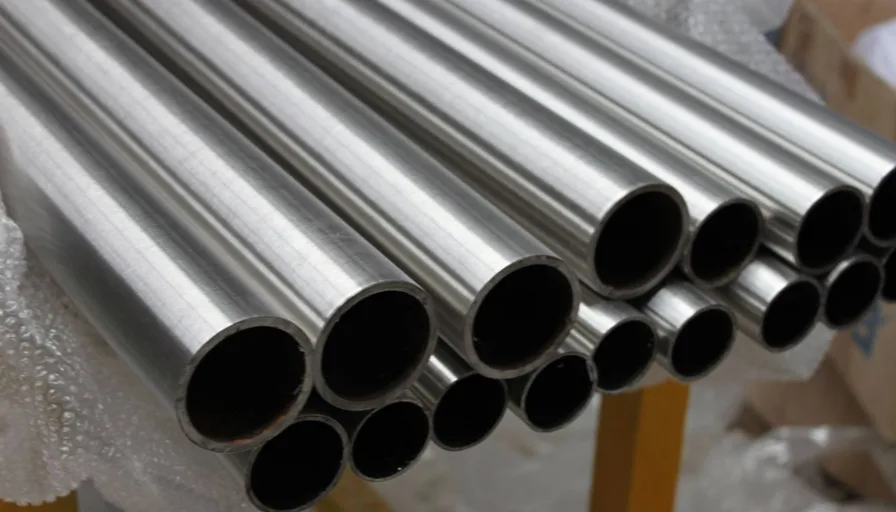
Stainless steel 316L seamless pipes are widely used in industrial applications where corrosion resistance, durability, strength, and reliable performance are important. Manufactured from low-carbon austenitic stainless steel, these pipes offer excellent resistance to various corrosive environments, including chemical solutions, moisture, and chloride-containing conditions. Their seamless construction provides a uniform structure without a welded joint, making them suitable for demanding piping systems across different industries.
Grade 316L is an improved low-carbon version of stainless steel 316. The addition of molybdenum enhances its resistance to pitting and crevice corrosion, while its controlled carbon content improves performance after welding and fabrication. These characteristics make the material suitable for chemical processing plants, pharmaceutical facilities, oil and gas installations, marine equipment, and power generation systems.
What Are Stainless Steel 316L Seamless Pipes?
Stainless steel 316L seamless pipes are manufactured without a longitudinal welding seam. The production process generally involves heating a solid steel billet, piercing it to create a hollow section, and then rolling or drawing it to achieve the required outside diameter and wall thickness. The pipes undergo suitable heat treatment and finishing processes to achieve the required mechanical properties and surface condition.
These pipes are commonly manufactured according to ASTM A312 TP316L specifications and are identified by UNS S31603. They are available in different nominal pipe sizes, wall thicknesses, schedules, and lengths to meet industrial project requirements. Their combination of corrosion resistance and mechanical strength makes them a preferred material for critical fluid transportation systems.
Chemical Composition and Material Properties
The performance of 316L stainless steel comes from its carefully controlled chemical composition. It generally contains 16–18% chromium, 10–14% nickel, and 2–3% molybdenum, with a maximum carbon content of 0.03%.
The low carbon content helps reduce chromium carbide precipitation during welding, supporting resistance to intergranular corrosion. Chromium provides the protective passive layer, nickel improves toughness and structural stability, and molybdenum increases resistance to localized corrosion.
The material also offers good ductility, formability, and weldability. These properties allow it to perform effectively in industrial environments where pipes may experience changing temperatures, pressure conditions, and exposure to corrosive process fluids.
Manufacturing and Quality Testing
The manufacturing of seamless pipes involves several controlled operations, including billet preparation, heating, piercing, hot rolling, cold drawing where required, heat treatment, straightening, and surface finishing. Each manufacturing stage contributes to the dimensional accuracy and quality of the finished product.
Quality inspection is an important part of the supply process. Depending on the applicable specification and purchase requirements, testing can include chemical analysis, tensile testing, hardness testing, flattening testing, and hydrostatic or approved nondestructive electrical examination.
Material identification, dimensional inspection, and mill test certificates help buyers verify that the supplied pipes meet the required technical specifications. Third-party inspection and additional testing can also be arranged when specified by the project.
Industrial Applications of 316L Seamless Pipes
Stainless steel 316L seamless pipes are used in chemical and petrochemical plants for transporting corrosive liquids, process chemicals, and industrial fluids. Their resistance to pitting and crevice corrosion makes them useful in applications where ordinary stainless steel grades may not provide sufficient performance.
In the pharmaceutical and food processing sectors, these pipes are selected for process equipment and fluid transportation systems where cleanliness, corrosion resistance, and suitable surface finishes are important. They are also used in marine engineering, desalination facilities, offshore installations, refineries, heat exchangers, and power generation plants.
The selection of the correct material grade, wall thickness, pressure rating, and pipe schedule is essential for achieving reliable performance throughout the service life of an industrial piping system.
ASTM A312 TP316L Specifications and Available Sizes
ASTM A312 is a commonly specified standard for seamless, welded, and heavily cold-worked austenitic stainless steel pipes. TP316L is the low-carbon molybdenum-bearing grade covered under this specification.
Pipes can be supplied in different schedules, including SCH 5S, SCH 10S, SCH 40S, SCH 80S, SCH 160, and other specified wall thicknesses. Available dimensions depend on manufacturing capabilities and stock availability.
Important purchasing requirements include nominal pipe size, outside diameter, wall thickness, schedule, length, end finish, quantity, and applicable inspection documentation. Buyers should confirm the exact standard and dimensional requirements before placing an order.
Selecting a Reliable Manufacturer and Supplier
Choosing a dependable source is important for maintaining product quality and ensuring timely project execution. Buyers should evaluate the supplier's technical knowledge, material traceability, inspection procedures, documentation, and ability to fulfil the required specifications.
Stainless Steel 316L Seamless Pipes Manufacturers are evaluated on their manufacturing processes, quality control systems, dimensional accuracy, and compliance with relevant international standards. A reliable manufacturing partner should understand the requirements of industrial piping applications and provide suitable material documentation.
Stainless Steel 316L Seamless Pipes Suppliers support customers by providing pipes in different sizes, schedules, and specifications. Consistent product quality, technical assistance, and dependable order fulfilment are important considerations when selecting a supply partner.
Stainless Steel 316L Seamless Pipes Stockists help buyers source required material according to project schedules and quantity requirements. Stockholding support can be useful for maintenance work, replacement requirements, fabrication projects, and urgent industrial procurement.
Stainless Steel 316L Seamless Pipes Exporters serve international customers by coordinating product specifications, inspection documentation, packaging, and export requirements. Proper material identification and shipment documentation are important for smooth international supply.
Stainless Steel 316L Seamless Pipes Market in India
India has an established industrial demand for stainless steel piping products because of its growing chemical, pharmaceutical, petrochemical, infrastructure, power, and engineering sectors. Industrial buyers require materials that can meet technical specifications while supporting long-term operating requirements.
Stainless Steel 316L Seamless Pipes Manufacturers in India cater to domestic and international project requirements by offering products manufactured according to recognised standards. Manufacturing quality, material consistency, and inspection facilities are important factors for industrial buyers.
Stainless Steel 316L Seamless Pipes Suppliers in India serve fabricators, contractors, engineering companies, and industrial end users across different sectors. Buyers generally consider product specifications, availability, certification, and delivery schedules when selecting a supplier.
Stainless Steel 316L Seamless Pipes Stockists in India support procurement requirements by maintaining material availability in different dimensions and specifications. Their services can help industries manage maintenance schedules, replacement orders, and project-based requirements.
Stainless Steel 316L Seamless Pipes Exporters in India connect Indian stainless steel products with international markets. Export supply involves appropriate packaging, material certification, inspection coordination, and compliance with the technical and commercial requirements of overseas buyers.
Why Choose AM Industries?
AM Industries is engaged in the manufacturing, supplying, stockholding, and export of ferrous and non-ferrous metal products. The company serves industrial requirements across sectors such as oil and gas, power generation, chemical processing, petrochemicals, pharmaceuticals, heavy equipment manufacturing, fertilisers, instrumentation, foundries, and forging.
With a focus on product quality, material specifications, and customer requirements, AM Industries supports buyers looking for stainless steel and other industrial metal products. The company works with customers to understand their required dimensions, grades, standards, and documentation before material procurement and supply.
For stainless steel piping requirements, buyers should share the required grade, pipe size, schedule, quantity, and applicable ASTM or ASME specification to obtain suitable product details and a commercial quotation.
Conclusion
Stainless steel 316L seamless pipes offer a useful combination of corrosion resistance, strength, weldability, and durability for demanding industrial applications. Their low-carbon composition and molybdenum content make them suitable for applications involving corrosive process fluids and fabricated piping systems.
Selecting the correct specification, dimensions, manufacturing quality, and inspection documentation is essential for reliable performance. AM Industries supports industrial buyers with metal product requirements and focuses on providing material solutions according to customer and project specifications.
Technical reference: ASTM A312 covers seamless and other specified forms of austenitic stainless steel pipes. The 316L grade is identified as TP316L / UNS S31603.
American Piping Products+2
SEO recommendation: Use the primary keyword in the SEO title, URL, meta description, and image alt text. Keep the eight manufacturer/supplier/stockist/exporter variations in their respective paragraphs as above.