
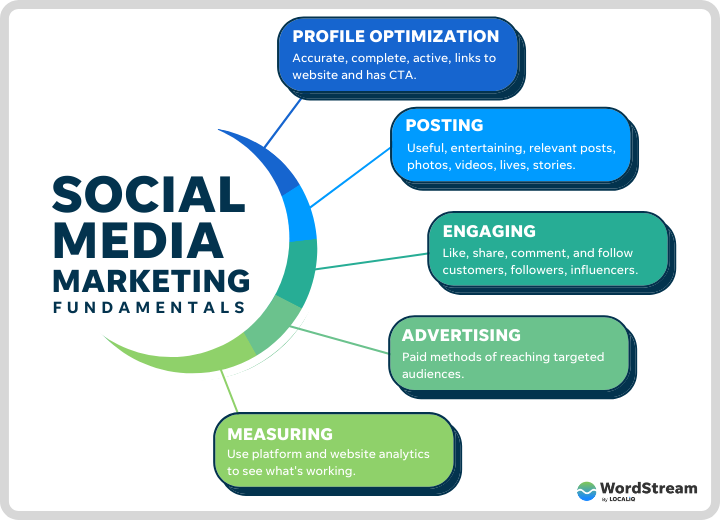
In today’s digital world, ministries, churches, and Christian businesses are turning to online platforms to connect with their communities. Among the many tools available, Christian social media advertising has become one of the most powerful ways to spread faith-based messages while reaching new audiences. Unlike traditional forms of outreach, social media platforms provide a unique opportunity for Christians to engage, inspire, and guide others in real time. By crafting authentic content that reflects Biblical values, ministries and organizations can ensure their voice is heard in an increasingly noisy online space.
Christian social media advertising is not just about promotion it’s about connection. Whether it’s a church campaign inviting members to Sunday service or a Christian bookstore reaching believers online, social platforms can be used to amplify the message of hope and faith. When used strategically, advertising with a faith-driven approach can help ministries build relationships, increase awareness, and nurture spiritual growth.
Why Christian Social Media Advertising Matters
Social media has become the global marketplace of ideas, and Christians are no exception in using it to connect, learn, and share. Christian social media advertising allows ministries, non-profits, and businesses to showcase their mission while targeting the right audience. Instead of relying solely on word of mouth or flyers, churches and organizations can now reach thousands of people instantly with the right digital strategy.
For many ministries, this approach is vital to staying relevant and accessible to younger generations. Platforms like Facebook, Instagram, and YouTube make it easier to share sermons, devotionals, and uplifting stories. With advertising, these posts are not only shared with followers but also with targeted audiences who may never have encountered the message otherwise.
Key benefits of Christian social media advertising include:
- Reaching larger and younger audiences beyond local boundaries.
- Strengthening church and ministry visibility in the digital space.
- Encouraging community engagement through comments, likes, and shares.
- Providing cost-effective options compared to traditional outreach.
Setting Clear Goals for Faith-Based Campaigns
Like any other marketing effort, Christian social media advertising requires clear objectives. Without direction, even the most inspiring message may not reach its intended impact. Churches, ministries, and businesses must first define their goals before investing in campaigns. Are you aiming to increase attendance for a church event, raise donations for a non-profit, or promote a Christian product? Each objective will influence the design and messaging of your advertisements.
When setting goals, it’s important to align them with Biblical values and your organizational mission. Christian advertising should not feel like traditional sales tactics but rather a heartfelt invitation to engage with faith and community.
Examples of effective campaign goals:
- Growing awareness for Sunday services or holiday events.
- Driving traffic to online Bible studies or podcasts.
- Increasing donations for a faith-based charity project.
- Promoting Christian literature, music, or merchandise.
Creating Authentic Faith-Based Content
Content is at the heart of Christian social media advertising. To connect with audiences, the content must reflect authenticity, sincerity, and values rooted in faith. Unlike generic advertising, Christian campaigns must emphasize the deeper purpose of spreading hope and building community rather than focusing only on transactions.
Visual storytelling can be especially powerful. Videos of sermons, testimonials from believers, or uplifting quotes from scripture can deeply resonate with viewers. Consistency also matters—regular posts with meaningful messages help establish trust and credibility. When paired with targeted ads, this content can reach both believers and seekers, making social media a modern tool for evangelism.
Content ideas for Christian social media advertising:
- Bible verse graphics and inspirational quotes.
- Short video sermons or faith-based messages.
- Testimonies of transformation and answered prayers.
- Behind-the-scenes looks at ministry life.
- Ads inviting audiences to join live worship services.
Leveraging Targeting Tools for Maximum Impact
One of the biggest strengths of Christian social media advertising is the ability to target specific audiences. Unlike traditional methods, social platforms offer advanced tools to filter by demographics, interests, behaviors, and location. This allows ministries and Christian businesses to ensure their message is reaching the right people at the right time.
For example, a church in Texas can create ads specifically targeting Christians within a 30-mile radius who have shown interest in worship events. Similarly, a Christian bookstore can promote Bible study materials to young adults who follow faith-based pages. By tailoring campaigns with precision, advertising becomes more efficient and impactful.
Ways to use targeting effectively:
- Location targeting for local events and services.
- Age-specific campaigns for youth ministries or family programs.
- Retargeting ads for those who previously visited your website.
Building Community Through Engagement
The power of Christian social media advertising goes beyond impressions and clicks it’s about creating meaningful engagement. Ministries and organizations should treat their advertising campaigns as opportunities to foster conversations and relationships. Encouraging comments, answering questions, and interacting with users builds trust and community.
When people feel genuinely heard and supported online, they are more likely to participate in church events, donate to causes, or share messages with others. This form of digital discipleship is where social media truly shines for Christian outreach.
Practical ways to build engagement:
- Asking thought-provoking questions in ad captions.
- Encouraging followers to share prayer requests.
- Hosting live Q&A sessions with pastors or leaders.
- Using polls to get feedback on ministry activities.
Measuring Success and Improving Campaigns
Every effort in Christian social media advertising should be tracked and measured to ensure effectiveness. Metrics such as engagement rates, click-through rates, and conversions provide insights into what resonates with your audience. By analyzing these results, ministries and Christian organizations can continually refine their strategies.
It’s important to remember that success is not only measured by numbers but also by spiritual impact. Even if a campaign does not generate thousands of clicks, if it leads one person closer to Christ, the mission is accomplished. Still, tracking performance ensures stewardship of resources and helps identify which methods deliver the strongest outreach.
Metrics to measure success:
- Reach and impressions of ads.
- Number of likes, shares, and comments.
- Website visits and sign-ups for events.
- Donations or purchases through campaigns.
Conclusion
In a world where digital noise can often drown out meaningful messages, Christian social media advertising provides a powerful way for churches, ministries, and faith-driven businesses to connect with audiences. By setting clear goals, creating authentic content, leveraging targeting tools, and building strong community engagement, Christian organizations can spread the Word effectively online.
As ministries embrace these strategies, they are not just running ads they are fulfilling a mission to share hope, inspire faith, and guide others toward Christ. With careful planning and prayerful execution, Christian social media advertising becomes more than just marketing; it becomes a modern tool for evangelism and spiritual growth.