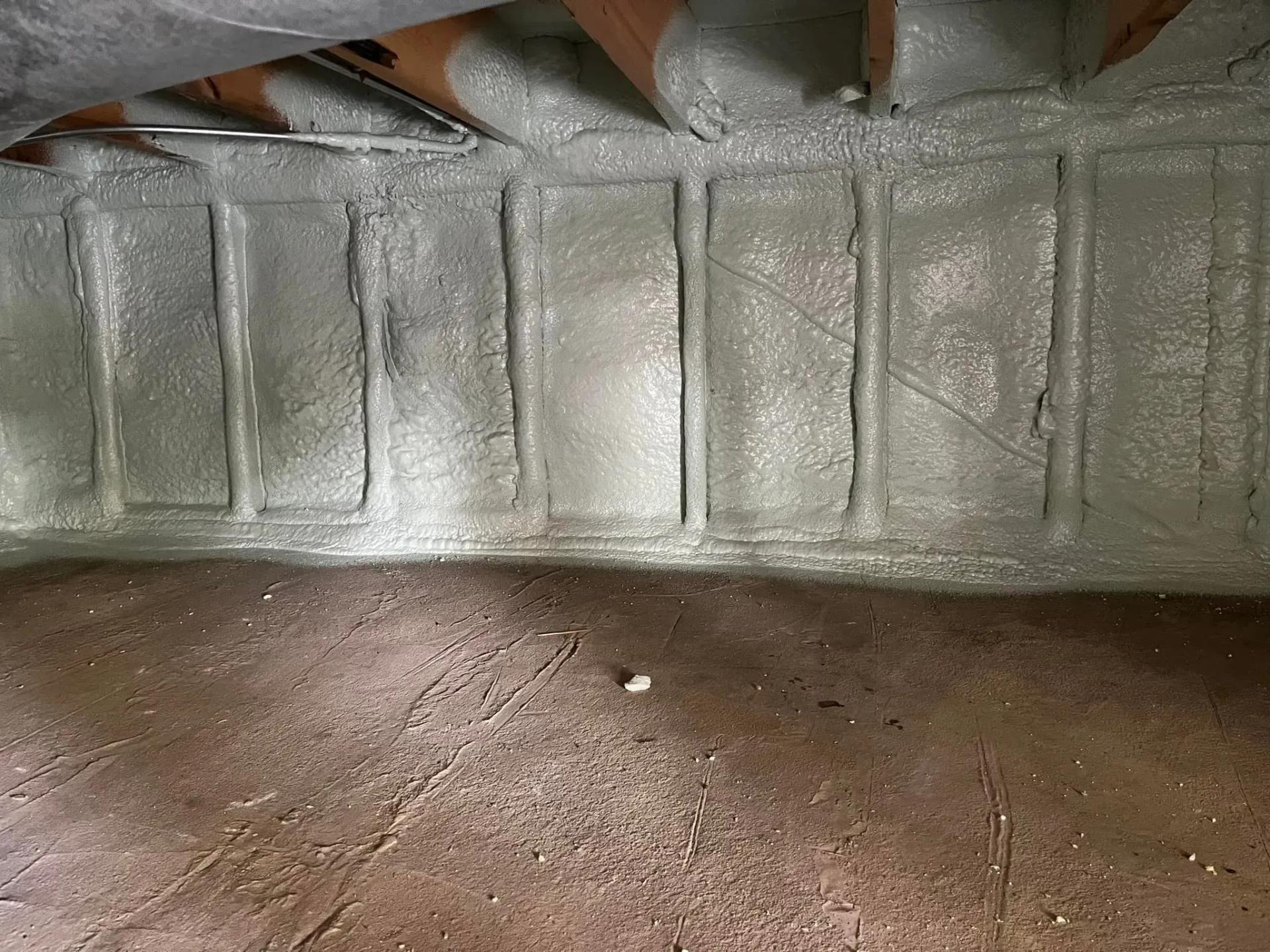
High-performance spray foam insulation expands into gaps and cracks to create a custom air seal. This process prevents heat from entering or escaping, allowing heating and cooling systems to operate much more efficiently. It is a reliable way to reduce monthly utility costs while maintaining a consistent indoor climate.
This guide provides a detailed look at how modern insulation materials improve building performance. Selecting the right application can significantly impact a property's long-term value and comfort. Readers will find information on material differences, installation considerations, and practical tips for achieving the best results.
Professional Applications for Climate Control
Property owners often struggle with inconsistent temperatures between different rooms or floors. These issues usually stem from air leaks in the attic or crawlspace that allow conditioned air to escape. Professional spray foam applications address these problems by creating a continuous thermal envelope around the entire living or working space.
Understanding Thermal Resistance
The effectiveness of an insulation material is measured by its resistance to heat flow. Spray foam offers a high R-value per inch, providing more protection in less space than traditional fiberglass. This efficiency is instrumental in thin-wall cavities or tight attic spaces where space is limited.
Heat Flow Regulation
Heat naturally moves from warmer areas to cooler ones, which can put heavy strain on HVAC units. By blocking this movement, spray foam prevents the furnace or air conditioner from running constantly. This reduction in cycles helps extend the life of expensive mechanical equipment over time.
Bonus Tip: Seal Top PlatesWhen insulating an attic, it is helpful to pay special attention to the top plates where walls meet the ceiling. Small gaps in these areas allow a surprising amount of air to leak from the living space into the attic. Sealing these specific points before adding bulk insulation significantly improves the overall performance.
Technical Note on Cure TimesMost spray foam products require a specific time window to cure and harden fully. Technicians usually recommend that people remain out of the building for twenty four hours after the application is complete. This ensures that the environment is stable and the material has reached its full structural strength.
Material Differences for Structural Success
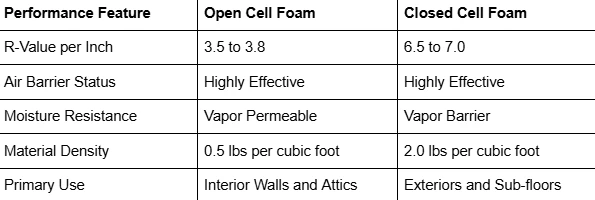
Choosing between different types of foam depends on the specific goals for the building project. Each material has unique properties that make it suitable for different parts of a structure. The following table provides a clear comparison of the two primary options used in modern construction.
Density and Moisture Resistance
Closed cell foam is much denser and more rigid than the open cell variety. This density allows it to act as a built-in vapor barrier, which is essential for areas prone to high humidity or moisture contact. It is often the preferred choice for sealing crawlspaces or basement walls.
Flood Zone Applications
In areas where water damage is a concern, closed cell foam provides a significant advantage because it does not absorb water. If a building experiences a leak, the foam remains intact and does not need to be replaced, unlike fiberglass. This durability makes it a wise long-term investment for commercial properties.
Bonus Tip: Sound DeadeningOpen cell foam is an excellent choice for interior walls because its soft structure absorbs sound waves. Using it between bedrooms or in home offices helps create a much quieter indoor environment. It effectively reduces noise transmission from plumbing, televisions, or loud appliances.
Technical Note on Expansion RatesOpen cell spray foam insulation expands much more rapidly and to a greater volume than closed cell foam. This high expansion rate makes it highly effective for quickly filling large, irregular cavities. Technicians must monitor the application closely to ensure the material reaches every corner without overfilling the space.
Things to Consider Before Making a Decision
Before starting an insulation project, it is important to evaluate the building's current condition. A thorough inspection can reveal hidden issues, such as existing mold, pests, or structural damage, that must be addressed first. Considering these factors ensures that the new insulation will perform as expected for many years.
- Assess the existing ventilation levels in the attic to determine if an unvented roof deck is appropriate for the home.
- Identify all major air leak locations such as recessed lighting, plumbing stacks, and electrical penetrations.
- Review local building codes to ensure the chosen insulation thickness meets or exceeds regional thermal requirements.
- Evaluate the roof's age and condition to avoid installing new insulation under a surface that may soon need repair.

Preparing a Property for New Insulation
Successful insulation projects start with careful preparation of the workspace and the structure itself. Removing old, dusty materials is often the first step to ensuring a clean bond between the foam and the building surfaces. Proper prep work prevents contamination and allows for a more precise application.
- Clear out all stored items from the attic or crawlspace to provide technicians with unobstructed access to the surfaces.
- Vacuum away old fiberglass or cellulose insulation that may contain allergens, dust, or rodent droppings.
- Protect the work area's flooring and furniture with plastic sheeting to prevent overspray from adhering to surfaces.
- Ensure that all electrical wiring is in good condition and that any high-heat fixtures are properly shielded before spraying.
Common Inquiries Regarding Building Performance
How long does spray foam insulation stay effective in a home?
Spray foam is designed to be a permanent solution that lasts for the entire life of the building. Unlike traditional materials that can sag or settle over time, foam remains securely attached to the structure. It maintains its shape and thermal properties indefinitely if it is not disturbed or exposed to UV light.
Can this material help reduce indoor allergens and dust?
By creating an airtight seal, spray foam prevents outdoor pollutants like pollen and dust from entering through the walls. This leads to a much cleaner indoor environment and improved air quality for the occupants. It also helps keep out humidity that can lead to mold and mildew growth.
Is it possible to insulate a metal building with spray foam?
Spray foam is highly effective for metal buildings and pole barns because it adheres directly to the metal skin. This prevents condensation that often occurs when temperatures change, helping protect the building from rust. It also makes these structures much easier to heat and cool year-round.
What is the primary difference between foam and fiberglass?
Fiberglass only slows down the transfer of heat but does not stop the movement of air through the material. Spray foam provides both thermal resistance and a complete air seal in a single step. This dual-functionality makes foam much more efficient at regulating indoor temperatures.
Does the installation process require special safety equipment?
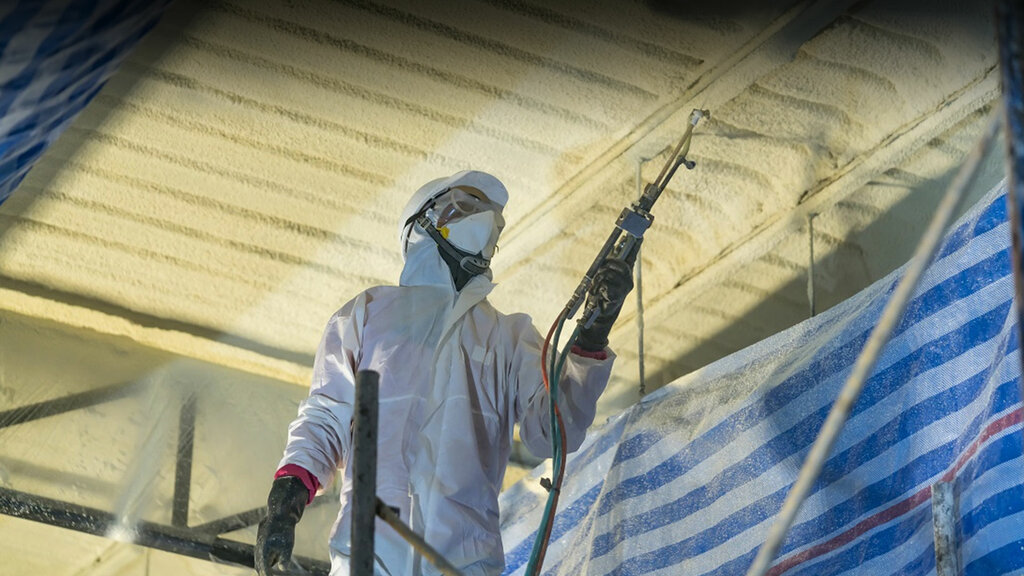
Professional installers use specialized respirators and protective clothing to ensure safety during the application process. While the foam is being sprayed, the area must be kept clear of anyone not wearing the proper gear. Once the material has fully cured, it is completely inert and safe for the family.
Summary of Efficiency Improvements
Investing in modern insulation is a practical way to gain better control over the indoor environment. By sealing air leaks and increasing thermal resistance, property owners can lower their energy bills and improve daily comfort. These solutions provide long-term protection against the elements and help maintain the building's structural integrity. It is best to evaluate a property's specific needs and choose the material that offers the best balance of performance and durability.
Secure Your Building with Professional Support
Expert teams can help determine the most effective insulation strategy for any residential or commercial project. They provide specialized knowledge to address complex air-sealing challenges and moisture management. For those seeking high-quality results, Spray Foam Tech offers a range of services to optimize building efficiency. Property owners can contact them at (737) 777-9590 or via email at [email protected] to discuss their specific needs. Their team provides the technical skills required to ensure every corner of a building is protected.
Reviewer: Maria Lopez reviewed the article and brought 12 years of insulation industry experience to improve the guidance. Practical tips were added, and the content was made clearer and more useful for contractors working in the field every day.