Choosing between spray foam insulation vs cellulose depends on your specific goals for air sealing, budget, and the architectural constraints of your home. While spray foam insulation offers a superior air barrier that stops drafts in their tracks, cellulose insulation provides a cost-effective, eco-friendly alternative with excellent thermal mass. For homeowners in freezing northern climates, the decision often comes down to whether you need to stop air movement entirely or simply slow down heat loss through thick layers of material.
This guide breaks down the performance metrics, costs, and installation methods for these popular materials. With years of field experience in cold climate zones, experts have identified that the best choice often involves a strategic application of both materials, depending on the area of the house. You will find the practical data needed to make an informed investment for your property.

1. Performance Differences in Cold Weather
Cold climates demand materials that can handle extreme temperature swings without losing their R-value. Standard fiberglass insulation often struggles in these conditions because air can still circulate through the pink batts. In contrast, spray foam insulation vs cellulose comparisons show that both materials outperform fiberglass by minimizing air movement, though they do so in different ways.
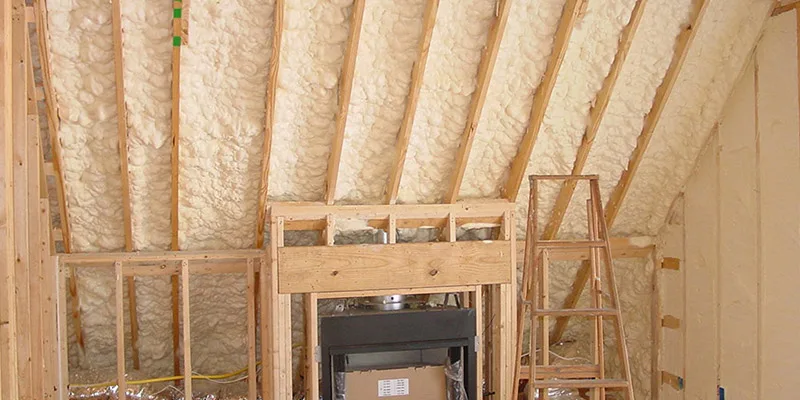
Foam insulation expands to fill every crack and crevice, creating a physical seal that prevents cold Idaho or Montana winds from entering your living space. This is particularly useful in rim joists and cantilevered floors where traditional materials fail. Cellulose insulation, being much denser than fiberglass, relies on its weight and fiber structure to trap heat and block airflow through its thick "blanket" effect.
Technical Advantages of Dense Materials
- Foam insulation provides a built-in air seal and vapor barrier.
- Cellulose insulation is treated with borates for fire and pest resistance.
- Dense packing creates a wind-washing-resistant layer in attic edges.
- Both materials maintain their thermal properties better than batts when temperatures drop below zero.
2. Analyzing the Technical Specifications
When comparing these products, looking at the R-value per inch is the standard starting point. However, R-value alone doesn't tell the whole story of how a home feels during a blizzard. The ability to stop convection currents within the wall cavity is just as important as the material's resistance to conductive heat flow.

3. Benefits of High-Density Applications
In existing homes, you might not have the luxury of stripping away drywall to apply foam. This is where dense pack cellulose insulation becomes a primary contender. Technicians can drill small holes in your siding or interior walls to blow the material in under high pressure. This process packs the fibers so tightly that they cannot settle over time, effectively reducing air infiltration in older wall cavities.

Replacing Outdated Insulation Layers
Fiberglass insulation is often the material being replaced or supplemented in these scenarios. Because fiberglass is porous, it allows "stack effect" air to move freely through the house. By choosing a denser material, you effectively "choke" airflow, which keeps your furnace from running constantly.
- Dense-pack cellulose insulation reaches areas that spray nozzles cannot reach.
- High-density packing prevents the material from sagging over the years.
- It adds significant sound dampening between floors and rooms.
- This method is generally less invasive for historic home retrofits.
Bonus Tip: If you are insulating an attic with cellulose, always ensure your recessed lights are "IC Rated" (Insulation Contact) or protected by covers to prevent heat buildup and fire risks.
4. How Does Moisture Impact Your Choice?
Moisture management is a major factor when weighing spray foam insulation vs cellulose for your project. In cold climates, warm indoor air wants to move toward the cold exterior. If that air carries moisture and hits a cold surface, it condenses into water. Spray foam insulation acts as a vapor retarder, preventing that warm air from ever hitting the cold roof deck or siding.
Vapor Barriers and Airflow Control
Cellulose insulation, while excellent at managing small amounts of humidity due to its organic nature, can become heavy and lose its effectiveness if a major leak occurs. It is vital to pair cellulose with professional air-sealing services to ensure that no concentrated streams of warm, moist air enter the insulation layer from the house below.
- Closed-cell foam is ideal for damp basements and crawl spaces.
- Cellulose needs a dry environment to maintain its R-value.
- Proper attic ventilation is required when using cellulose to exhaust moisture.
- Foam can be used to create "unvented" attic spaces for better HVAC performance.
5. Which Option Offers Better Value?
Budget is a reality for every property owner. Generally, foam insulation has a higher upfront cost due to the specialized equipment and chemicals required for installation. However, the long-term energy savings are often higher due to the overall air seal it provides. You might spend two to three times as much on foam as you would in a standard blown-in project.
The Flash and Fill Hybrid Approach
When comparing spray foam insulation and cellulose, many people choose a "flash and batt" or "flash and fill" approach to balance costs. They might use an inch or two of foam for the air seal, then top it with cellulose or fiberglass insulation to meet the remaining R-value required by local building codes.
- Cellulose is often the most budget-friendly way to reach R-60 in an attic.
- Foam pays for itself faster in buildings with complex geometries.
- Energy rebates are often available for both materials through local utilities.
- Consider the "whole-house" savings rather than just the material cost.
6. Considerations Before Finalizing Your Insulation Plan
Before you sign a contract, you must evaluate the current state of your building envelope. If your home has existing mold issues or major structural leaks, adding insulation might hide the problem rather than fix it. You should also consider how long you plan to stay in the property. A high-end foam job offers a better return if you plan to live there for a decade or more.
Pre-Installation Checklist for Homeowners
- Check for existing knob-and-tube wiring before adding cellulose.
- Evaluate your roof's lifespan if you plan to spray foam directly to the underside.
- Determine if you need the extra structural strength that closed-cell foam provides.
- Assess the noise levels in your neighborhood, as both materials offer different acoustic benefits.
Bonus Tip: Always ask for a "blower door test" before and after installation. This data shows how much you have improved your home's airtightness.

7. Professional Installation Requirements
Regardless of the material, the quality of the installation determines the performance. If spray foam insulation is mixed at the wrong temperature, it may not adhere correctly or could off-gas. Similarly, if cellulose insulation isn't blown to the correct density, it will settle, leaving gaps at the tops of your walls within a few years.
Working with Specialized Technicians
Hiring a team that understands the specific challenges of cold-weather building science is essential. They will know how to handle bypasses, chimney chases, and plumbing stacks that a DIYer might miss. When comparing spray foam insulation vs cellulose, remember that the foam requires a vacant house for 24 hours, while cellulose allows you to remain inside during the process.
8. Seeking Expert Guidance for Your Energy Efficiency Project
If you feel overwhelmed by the technical details of R-values and air barriers, reaching out to a local professional can provide the clarity you need. Companies like Selkirk Energy Solutions specialize in helping property owners identify the specific weak points in their buildings. Whether you need a full crawl space encapsulation or a simple attic top-off, they have the tools to measure your current heat loss and recommend the most effective fix.
You can reach their team at (208) 295-9780 or via email at [email protected] to discuss your project. They offer a range of services, from dense-pack cellulose insulation to high-performance foam insulation, ensuring your home stays comfortable regardless of the weather outside. You can also view their location and service area on this map to see if they cover your neighborhood. Getting a free quote is a great way to compare the actual costs of these materials for your specific square footage.
9. Summary of Key Performance Factors
In summary, the choice between materials comes down to your home's design and your financial goals. If you want a "one and done" solution that seals and insulates in one step, foam is the gold standard. If you want a sustainable, effective, and affordable way to keep your house warm, cellulose is a fantastic choice. Most high-performance homes today use a combination of both to achieve maximum efficiency without overspending. Evaluate your attic, walls, and basement separately rather than using a single material for the entire structure.
10. Frequently Asked Questions About Home Insulation
Does spray foam insulation cause wood rot in roofs?
No, as long as it is installed correctly. Foam prevents warm air from reaching the roof deck, which actually stops the condensation that usually causes rot in cold climates.
Can I install cellulose over old fiberglass insulation?
Yes, this is a common practice called "capping." It fills gaps in the fiberglass and adds density, significantly improving the overall thermal performance of the attic.
Is cellulose insulation really fire-resistant?
Yes, it is treated with fire retardants like boric acid. In many tests, dense-packed cellulose actually holds back fire longer than fiberglass because it limits the oxygen available to the flames.
How long does spray foam insulation last?
It is designed to last for the lifetime of the building. Because it does not settle or sag and is moisture-resistant, it maintains its R-value indefinitely.
Which material is better for soundproofing between rooms?
Cellulose is generally superior for sound dampening due to its high density and fiber structure, though open-cell spray foam also performs very well for noise reduction.