A home’s plumbing system is one of those things you rarely think about — until something goes wrong. A dripping faucet might seem harmless, a slow drain easy to ignore, and a small water stain barely noticeable. But these little signs can often be the first whispers of much bigger problems.
By learning to recognize early warning signals, homeowners can prevent costly disasters, conserve water, and extend the lifespan of their plumbing system. Whether it’s subtle changes in water pressure or unexplained dampness under the sink, timely attention can save hundreds — even thousands — in future repairs.
In this guide, we’ll walk through how to spot early plumbing issues, what they mean, and when it’s time to call professionals for expert Plumbing Repairs & Installations before minor concerns turn into major emergencies.
Why Early Detection Matters
Most plumbing failures don’t happen overnight. Pipes corrode slowly, seals weaken over time, and small leaks gradually worsen until they become visible — or worse, cause hidden water damage. The key to minimizing repair costs lies in early intervention.
Here’s why catching issues early makes all the difference:
- Prevents costly repairs: A small leak in a supply line can cost less than a dinner to fix — but ignoring it could lead to wall damage, mold, or structural deterioration worth thousands.
- Reduces water waste: A running toilet can waste over 200 gallons of water per day, significantly raising your utility bill.
- Improves system lifespan: Fixing minor faults keeps your pipes, fixtures, and water heater functioning efficiently.
- Maintains home value: Consistent plumbing maintenance signals to future buyers that your home is well-cared for.
Simply put, the earlier you act, the less you’ll spend.
1. Watch for Subtle Water Pressure Changes
A sudden drop in water pressure often signals a problem. While it might be something simple — like sediment buildup in a faucet aerator — it could also point to a hidden leak or a failing pressure regulator.
Common causes include:
- Mineral deposits restricting pipe flow.
- Corroded piping reducing pressure.
- A leak somewhere in your supply system.
- Failing water valves or pressure-reducing valves.
If only one fixture has low pressure, it’s usually a localized issue. But if multiple taps are affected, your main water line might need inspection. Consistent pressure changes should always prompt a professional evaluation.
2. Don’t Ignore Unusual Sounds
Your plumbing system should be fairly quiet. If you start hearing bangs, rattles, or hissing sounds, something’s not right.
- Banging or “water hammer” noises occur when water abruptly stops or changes direction, often due to loose pipes or faulty valves.
- Gurgling drains may indicate partial blockages or venting problems that prevent proper air flow.
- Whistling faucets can be caused by worn-out washers or mineral buildup restricting flow.
These noises are like your plumbing’s way of calling for help. Fixing them early prevents long-term damage or ruptured joints.
3. Inspect for Dampness, Stains, or Mold
Water has a sneaky way of finding its path — and when it does, it leaves clues. Check walls, ceilings, and floors, especially near bathrooms and kitchens, for any discoloration, damp spots, or mold growth.
Even a faint stain can signal a slow leak behind drywall or under flooring. Left unchecked, it can rot wood framing, attract pests, and foster harmful mold spores that affect indoor air quality.
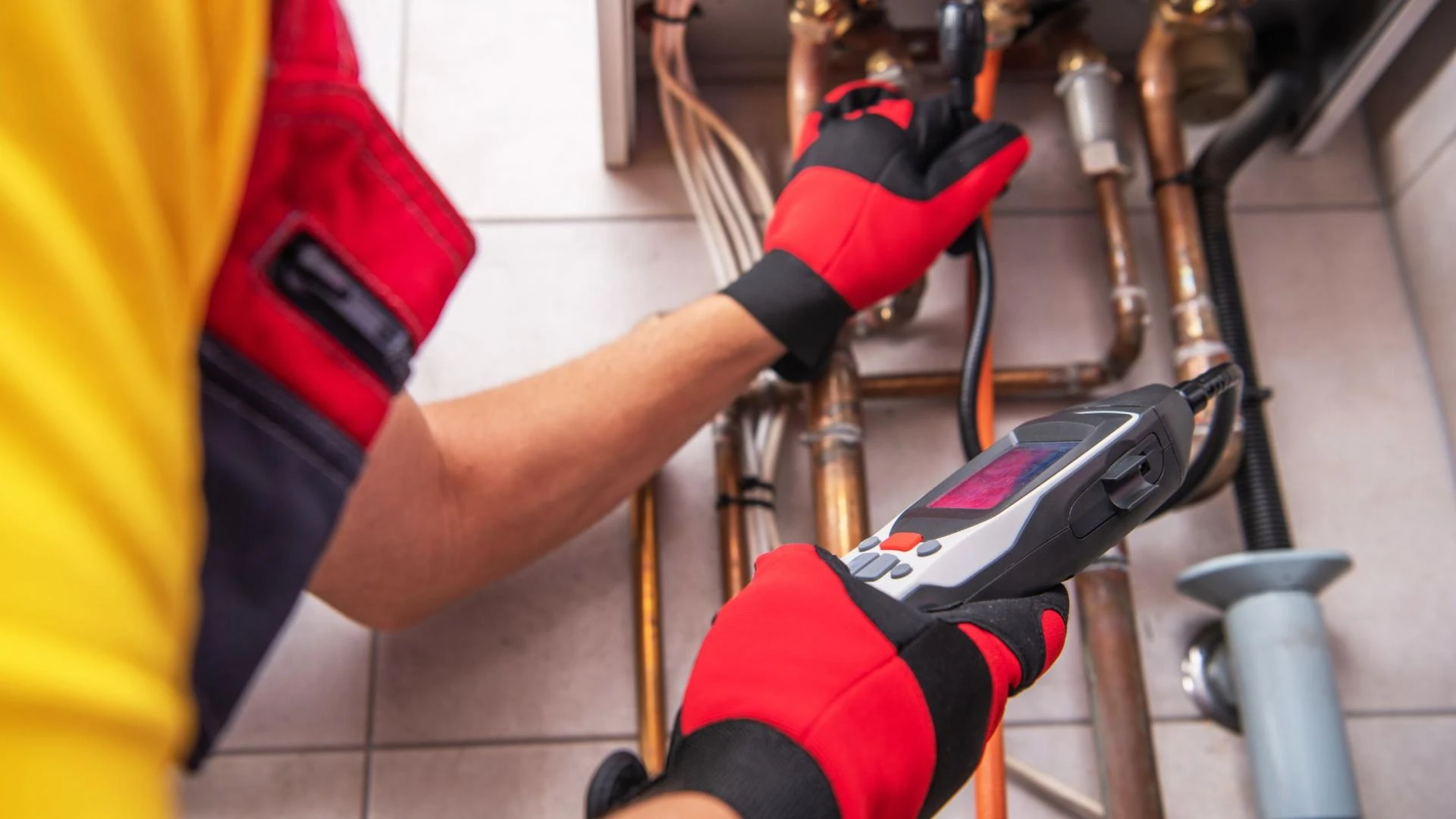
If you notice a musty smell or persistent moisture, call a professional for leak detection. Infrared tools and moisture meters can identify hidden leaks long before they become visible.
4. Keep an Eye on Your Water Bill
One of the easiest ways to detect hidden plumbing problems is to monitor your monthly water bill. If your household habits haven’t changed but your usage suddenly spikes, a hidden leak might be the culprit.
To test for leaks:
- Turn off all water-using appliances and faucets.
- Record your water meter reading.
- Wait two hours without using any water.
- If the meter reading changes, there’s likely a leak somewhere in the system.
A small leak can waste thousands of gallons annually. Tracking your bill regularly is an effortless way to stay ahead of potential issues.
5. Monitor Drain Speed and Odor
Slow drains are among the most common early signs of plumbing trouble. They often start mildly — a bathtub that drains slowly, a sink that pools briefly — but over time, buildup worsens and can lead to complete blockages.
Possible culprits include:
- Hair, grease, or food accumulation.
- Soap scum and mineral buildup.
- Tree roots intruding into underground pipes.
Equally concerning are unpleasant odors coming from drains. Foul smells can indicate decaying debris, dry P-traps, or even sewer gas leaks. Cleaning your drains periodically or having them hydro-jetted by a professional can restore flow and eliminate odors before they become health hazards.
6. Look for Signs of Corrosion
Pipes — especially those made of galvanized steel or copper — can corrode over time. Early signs include discoloration, bluish-green stains, flaking, or metallic taste in tap water.
Corroded pipes not only restrict water flow but can also contaminate your supply and eventually lead to leaks. If you live in an older home, periodic pipe inspections are essential to ensure system safety and performance.
In some cases, replacing sections of old pipework with modern materials like PEX or PVC can improve water quality and efficiency.
7. Check Appliances and Fixtures Regularly
Your plumbing system extends beyond pipes. Water heaters, dishwashers, and washing machines all rely on consistent water pressure and tight seals.
Inspect each appliance for:
- Rust or water pooling underneath.
- Cracked hoses or loose fittings.
- Mineral buildup on valves or connectors.
Water heaters are especially prone to issues if neglected. Flushing the tank annually removes sediment that causes inefficiency and premature wear. If you hear popping or crackling sounds from your tank, it’s time for maintenance.
8. Be Aware of Seasonal Changes
Plumbing systems face unique challenges throughout the year. Winter brings the risk of frozen pipes, while summer can stress outdoor plumbing and irrigation systems.
In cold months:
- Insulate exposed pipes to prevent freezing.
- Keep cabinet doors open under sinks on extremely cold nights to allow warm air circulation.
- Shut off and drain outdoor hose bibs before freezing temperatures hit.
In warmer months:
- Check garden hoses and sprinklers for leaks.
- Monitor outdoor spigots for drips that may waste significant water over time.
- Have your main sewer line inspected if trees or roots are near the pipes.
Seasonal awareness keeps your plumbing system resilient all year long.
9. Recognize Early Toilet Problems
Toilets are often the biggest water wasters in a home. If you hear the tank refilling frequently or notice weak flushes, you may have a leak or worn internal components.
- A running toilet can waste up to 6,000 gallons per month.
- A loose or rocking base might indicate a failing wax seal.
- Cracks in the bowl or tank can cause slow leaks that damage flooring.
Simple repairs like replacing flappers or adjusting float valves can fix most toilet issues quickly. Ignoring them, however, can lead to expensive water damage.
10. Know When to Call the Professionals
Some repairs — tightening a fixture or cleaning a drain trap — are simple DIY jobs. But when symptoms point to deeper issues, professional help is essential.
Call for expert Plumbing Repairs & Installations if you notice:
- Persistent leaks even after tightening connections.
- Multiple clogged drains or backups.
- Low water pressure throughout the home.
- Water discoloration or metallic taste.
- Sudden drops in hot water availability.
- Damp or moldy walls with no visible leak source.
Professional plumbers use advanced diagnostic tools such as video inspection cameras, hydro-jetting systems, and pressure gauges to identify and resolve issues accurately — preventing small signs from becoming full-blown crises.
Proactive Maintenance: Your Best Defense
While not every issue can be predicted, proactive care drastically reduces risk. Create a seasonal plumbing checklist to stay ahead:
- Inspect exposed pipes for leaks or corrosion twice a year.
- Flush your water heater annually.
- Clean drain stoppers and traps monthly.
- Check water pressure regularly with an inexpensive gauge.
- Schedule professional inspections every 12–18 months.
Preventative maintenance isn’t about fixing what’s broken — it’s about preserving what works.
Final Thoughts
Plumbing problems rarely appear suddenly. They begin quietly — a drip, a gurgle, a faint stain — and grow into costly headaches if ignored. Learning to recognize early warning signs gives homeowners the power to act before small issues spiral into emergencies.
A timely inspection or a quick fix today could prevent burst pipes, water damage, and extensive structural repairs tomorrow.
For long-term peace of mind, partnering with experts in Plumbing Repairs & Installations ensures your system remains efficient, reliable, and ready to handle every season.
Because when it comes to plumbing, a little attention now is worth a lot of savings later.