Sports injuries are an inevitable part of athletic participation, affecting professionals and recreational athletes alike. Whether it is a ligament tear, muscle strain, or joint instability, timely and structured rehabilitation is essential for restoring function and preventing recurrence.
Understanding Sports Injury Physiotherapy
Sports injury physiotherapy is a specialized branch of rehabilitation that addresses musculoskeletal injuries resulting from sports or physical activity. It combines clinical expertise, movement science, and advanced therapeutic technologies to restore mobility, strength, and performance capacity.
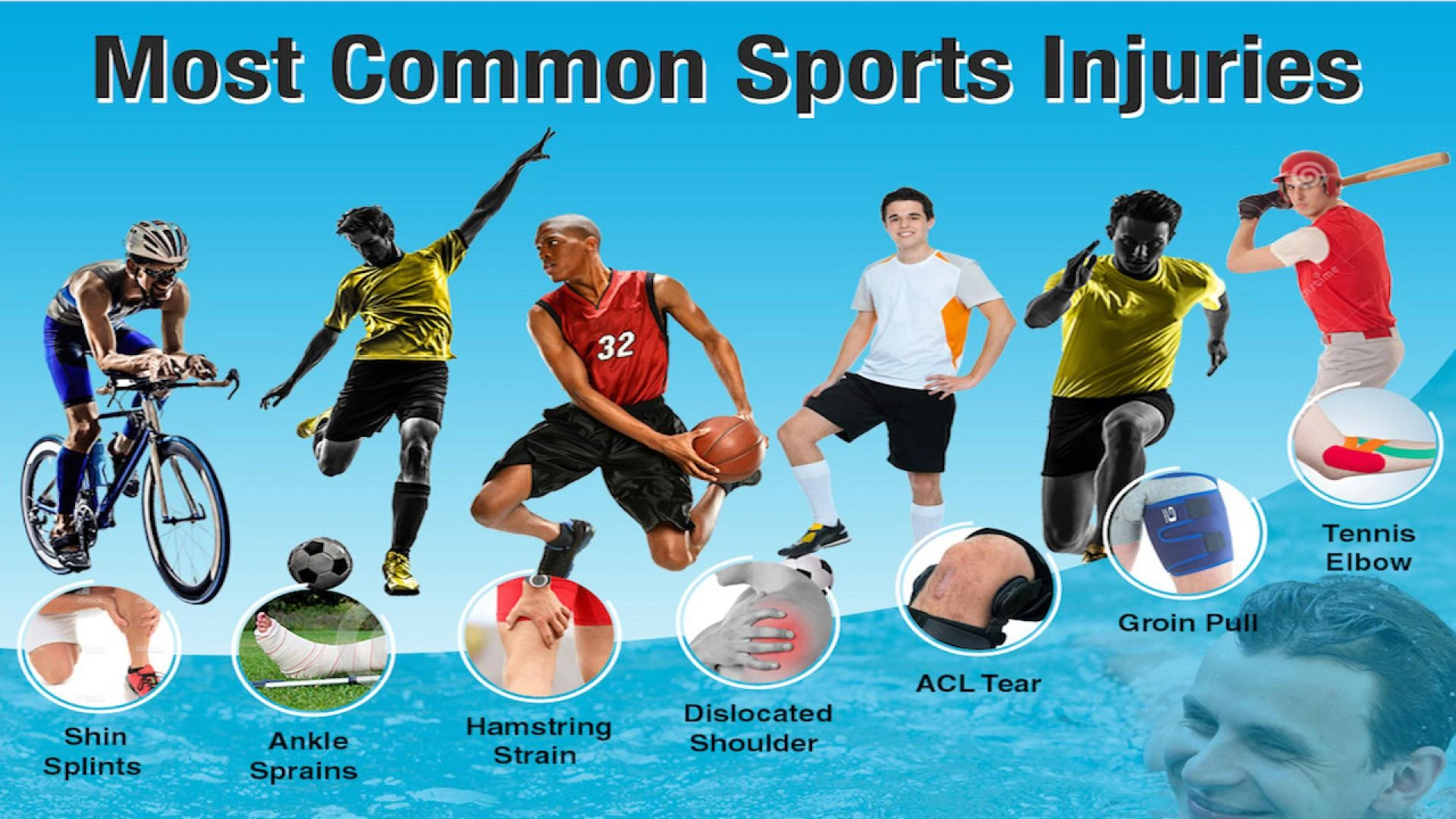
Athletes commonly seek physiotherapy care for conditions such as ankle sprains, ACL injuries, shoulder impingement, and hamstring strains. Targeted rehabilitation helps accelerate healing and supports a safer return to sport.
Comprehensive Assessment & Diagnosis
Effective rehabilitation begins with a detailed clinical evaluation. Physiotherapists conduct physical examinations, biomechanical assessments, and functional testing to determine injury severity and root causes.
Key components include:
- Postural and movement analysis
- Joint stability and range-of-motion testing
- Strength and flexibility screening
- Sport-specific functional evaluation
Early intervention is critical, as delayed treatment may prolong recovery and increase the risk of chronic dysfunction.
Pain Management & Acute Care
Pain and inflammation control form the first phase of rehabilitation. Physiotherapists implement multimodal strategies to reduce discomfort and support tissue healing, such as:
- Manual therapy and soft tissue mobilization
- Cryotherapy to reduce swelling
- Electrotherapy for pain modulation
- Taping and supportive bracing
Adjunct modalities like ultrasound or electrical stimulation are often integrated to accelerate tissue repair and manage inflammation.
Therapeutic Exercise & Progressive Loading
Therapeutic exercise is the cornerstone of sports injury rehabilitation. Structured programs focus on restoring strength, endurance, and neuromuscular control.
Key strategies include:
- Progressive resistance training
- Core stabilization exercises
- Flexibility and mobility drills
- Sport-specific conditioning
Individualized loading programs enhance muscular support around injured structures, improving long-term functional outcomes and reducing reinjury risk.
Movement Re-Education & Biomechanics
Faulty biomechanics often contribute to sports injuries. Physiotherapists use corrective training to retrain efficient movement patterns.
Examples include:
- Running gait correction
- Jump-landing mechanics training
- Shoulder movement optimization
- Balance and coordination drills
Neuromuscular re-education enhances proprioception, posture alignment, and reaction timing, minimizing reinjury probability.
Advanced Rehabilitation Technologies
Modern sports physiotherapy integrates innovative modalities to enhance recovery timelines.
Common technologies include:
- Shockwave therapy for chronic tendon injuries
- Hydrotherapy for low-impact strengthening
- Electrical stimulation for muscle activation
- Cryotherapy for post-exercise recovery
These modalities complement exercise therapy, promoting circulation, tissue repair, and pain relief.
Strength, Flexibility & Performance Optimization
Rehabilitation is not limited to healing—it also enhances athletic performance.
Physiotherapists design sport-specific strength and flexibility programs to:
- Improve power output
- Enhance agility and endurance
- Increase joint stability
- Optimize muscular coordination
Flexibility and myofascial release techniques further improve range of motion and reduce mechanical stress on joints.
Injury Prevention & Return-to-Play Planning
A structured return-to-sport protocol ensures athletes resume activity safely.
This phase includes:
- Functional performance testing
- Gradual load progression
- Technique refinement
- Preventive education
Athlete education—covering warm-ups, recovery routines, and posture—plays a vital role in long-term injury prevention.
Conclusion
Sports injury physiotherapy plays a transformative role in restoring athletic function, preventing recurrence, and optimizing performance. Through comprehensive assessment, targeted exercise therapy, biomechanical correction, and advanced rehabilitation technologies, athletes can achieve faster and safer recovery outcomes.
Physio Asia Therapy Centre provides cost-effective, evidence-based physiotherapy and rehabilitation services with integration of state-of-the-art technology and skillful implementation.