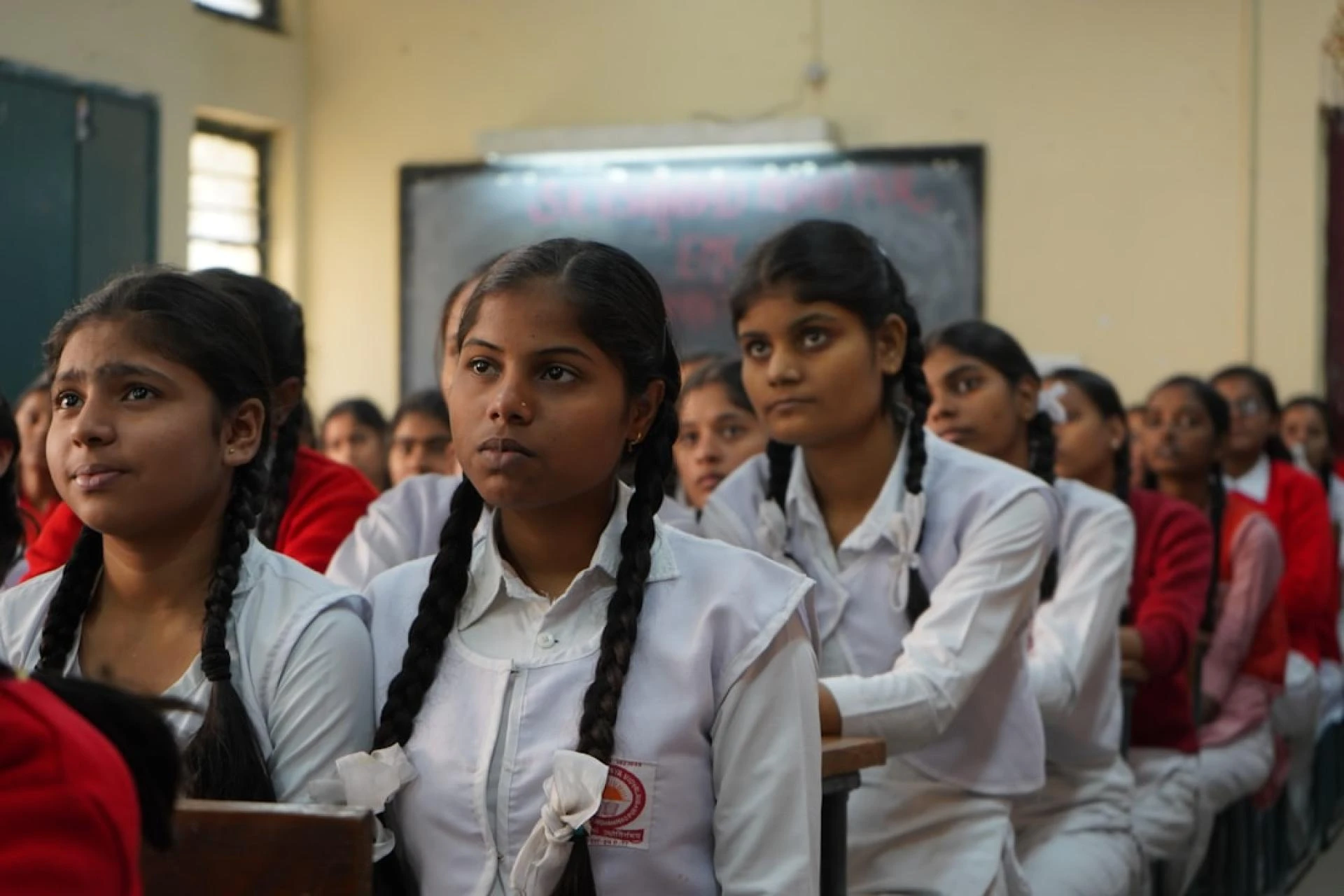
The transformative power of education is a universally acknowledged truth, yet the stark reality is that millions of girls in India remain devoid of this fundamental right. Sponsoring a girl's education is not just an act of charity; it is a strategic intervention that can break the cycles of poverty, inequality, and oppression. In this article, we delve into the nuances of why sponsoring a girl child's education in India is not only a moral imperative but also a critical step towards sustainable development and societal progress.
The State of Girl Child Education in India
Despite considerable advancements in education over the past few decades, gender disparities persist in India. According to UNESCO, India is home to a significant number of the world's out-of-school girls. Economic barriers, cultural norms, and inadequate educational infrastructure are among the primary obstacles preventing girls from accessing quality education.
The Barriers to Education
- Economic Constraints: In many impoverished communities, families often prioritize boys' education over girls', viewing it as a more valuable investment. Girls are expected to contribute to household chores and, in some cases, labor outside to supplement family income.
- Cultural Norms: Deep-rooted patriarchal beliefs perpetuate gender roles that undervalue girls' education. Traditional practices such as early marriages further curtail educational opportunities.
- Inadequate Infrastructure: Many rural areas lack basic educational facilities, such as safe school buildings and separate sanitation facilities for girls, which are essential for a conducive learning environment.
The Ripple Effect of Educating Girls
Educating a girl has a profound ripple effect that extends beyond her individual life. Evidence suggests that girls' education can significantly impact health outcomes, economic stability, and societal progress.
- Health Improvements: Educated women are more likely to make informed health choices, leading to lower maternal and infant mortality rates. They are also more likely to vaccinate their children and provide better nutrition.
- Economic Empowerment: Education equips girls with the skills necessary to participate in the workforce, thereby increasing household income and contributing to national economic growth.
- Social Change: An educated female population is better positioned to challenge discriminatory practices and advocate for gender equality, fostering a more just and equitable society.
The Role of Sponsorship Programs
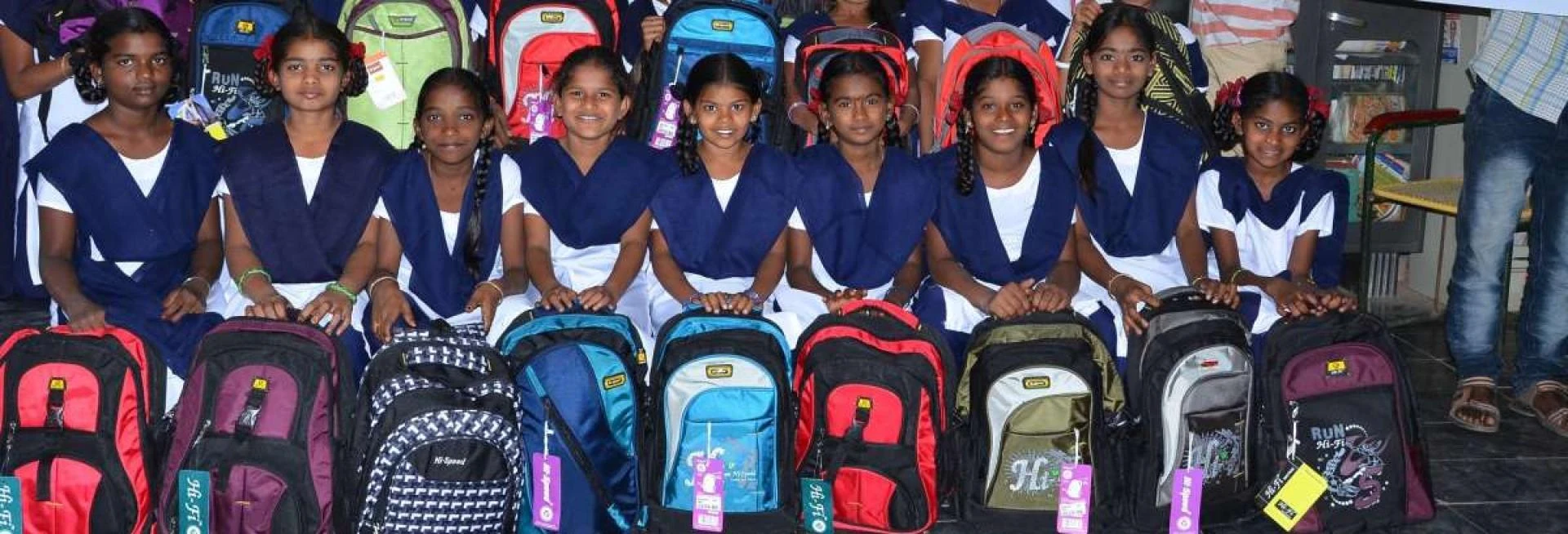
Sponsorship programs, such as the SERUDS Child Sponsorship Program, play a pivotal role in bridging the educational gap for girls in India. These programs provide financial support for school fees, uniforms, books, and other necessary resources, thereby alleviating the economic burden on families.
How Sponsorship Works
Sponsoring a girl's education involves a commitment to support her academic journey, ensuring she has the resources and encouragement needed to succeed. The sponsorship typically covers:
- Tuition and Examination Fees: Ensuring uninterrupted access to education without financial constraints.
- School Supplies and Uniforms: Providing the necessary tools for learning and fostering a sense of belonging and equality.
- Health and Nutritional Support: Addressing the holistic needs of the child to promote overall well-being and academic performance.
Case Study: Impact Stories from SERUDS
The SERUDS Child Sponsorship Program has been instrumental in transforming the lives of countless girls in India. Take the story of Priya, a bright young girl from a rural village in Andhra Pradesh. With the support of a sponsorship program, Priya was able to attend school regularly, excel in her studies, and dream of a future as a teacher. Her success not only changed her life trajectory but also inspired her community to prioritize education for girls.
The Call to Action
Policymakers and stakeholders must recognize the urgent need to prioritize girl child education as a cornerstone of national development strategies. Legislative measures should focus on:
- Strengthening Educational Infrastructure: Invest in building safe, accessible schools with necessary facilities, particularly in rural and underserved areas.
- Enforcing Anti-Discrimination Laws: Implement and monitor policies that prevent gender-based discrimination in education and employment.
- Promoting Awareness and Advocacy: Engage communities in dialogues to shift cultural perceptions and emphasize the value of educating girls.
- Collaboration with NGOs and Private Sector: Foster partnerships with organizations like SERUDS to expand the reach and impact of sponsorship programs.
Conclusion
Sponsoring a girl child's education in India is not merely an act of goodwill but a strategic investment in the future. By empowering girls through education, we lay the groundwork for a more equitable and prosperous society. As advocates for child rights, it is imperative that we champion initiatives that dismantle barriers to education and create pathways for every girl to thrive. Join us in this transformative journey and be a catalyst for change. Together, we can forge a future where every girl has the opportunity to learn, lead, and succeed.