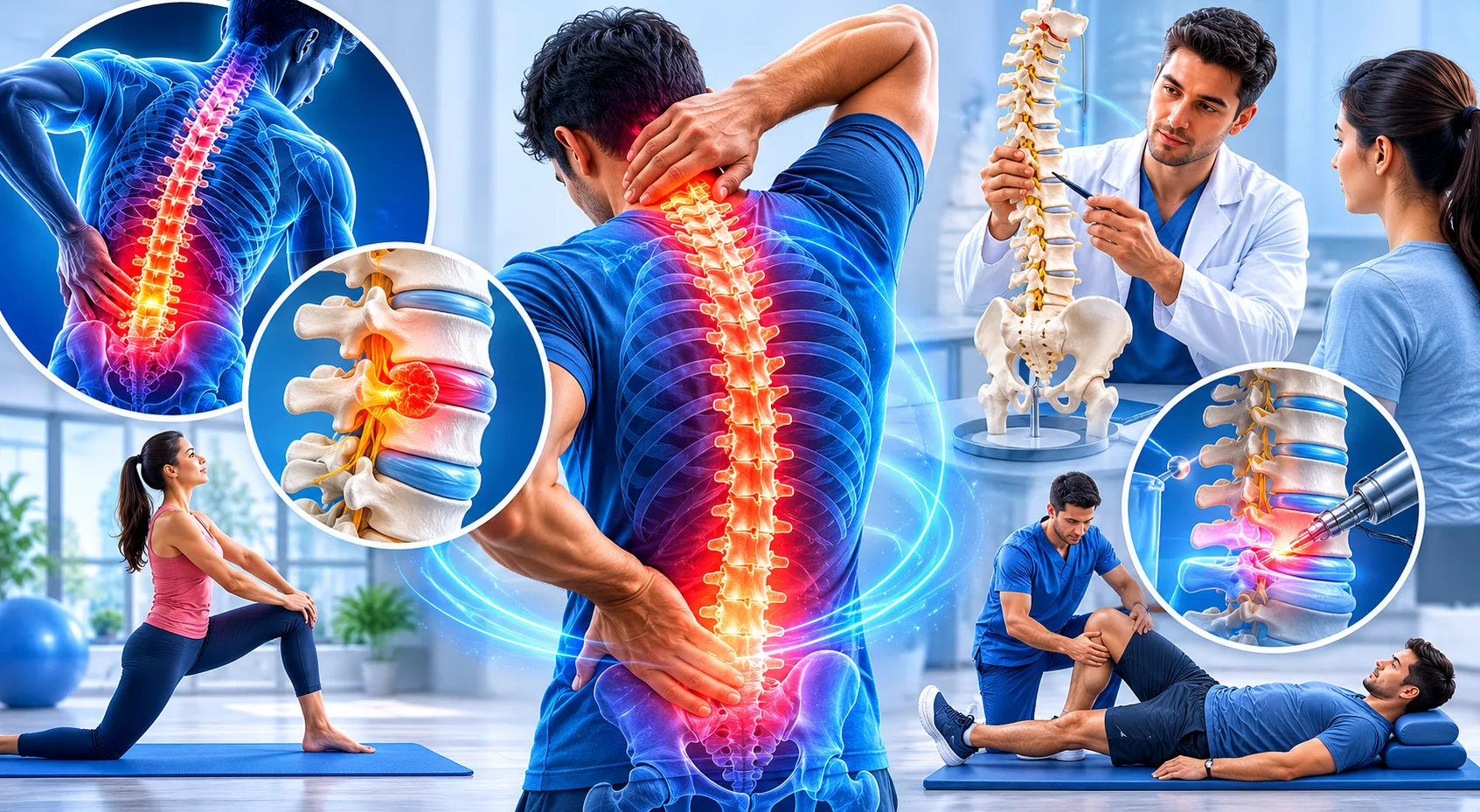
Back and spine problems are among the most common health concerns affecting people of all ages. Long working hours, poor posture, sedentary lifestyles, aging, sports injuries, and degenerative conditions have contributed to a growing number of individuals experiencing spine-related pain. For many people, persistent discomfort in the back, neck, or legs can significantly affect their daily activities and overall quality of life. Fortunately, modern Spine Treatment options provide effective solutions that help patients manage pain, restore mobility, and return to normal activities.
Understanding the causes of spine disorders, available treatment options, and the recovery process can help patients make informed decisions about their health. Whether the condition is mild or severe, early diagnosis and proper medical care play a crucial role in achieving successful outcomes.
What Is Spine Treatment?
Spine Treatment refers to a wide range of medical, non-surgical, and surgical procedures used to diagnose, manage, and treat conditions affecting the spinal column, spinal discs, nerves, muscles, and surrounding structures.
The primary goals of treatment are:
- Reduce pain
- Improve mobility
- Restore spinal function
- Prevent further damage
- Enhance quality of life
Treatment plans vary depending on the underlying condition, severity of symptoms, age, and overall health of the patient.
Understanding the Spine
The spine is one of the most important structures in the human body. It provides support, protects the spinal cord, and allows movement.
The spine consists of:
- Cervical Spine (Neck)
- Thoracic Spine (Upper Back)
- Lumbar Spine (Lower Back)
- Sacrum
- Coccyx (Tailbone)
Between the vertebrae are discs that act as shock absorbers and help maintain flexibility.
Any damage to these structures can result in pain, stiffness, numbness, weakness, or reduced mobility.
Common Causes of Spine Problems
Several factors can contribute to spinal disorders that require Spine Treatment.
1. Herniated Disc
A slipped or herniated disc occurs when the soft inner material of a spinal disc pushes through its outer layer and compresses nearby nerves.
Common symptoms include:
- Back pain
- Leg pain
- Numbness
- Tingling sensations
2. Degenerative Disc Disease
As people age, spinal discs naturally lose water content and flexibility.
This may cause:
- Chronic back pain
- Reduced mobility
- Nerve compression
3. Sciatica
Sciatica occurs when the sciatic nerve becomes irritated or compressed.
Symptoms include:
- Pain radiating down the leg
- Numbness
- Weakness
4. Spinal Stenosis
Spinal stenosis is the narrowing of the spinal canal, which can place pressure on nerves.
Common symptoms:
- Back pain
- Leg weakness
- Walking difficulties
5. Scoliosis
Scoliosis is an abnormal curvature of the spine that can develop during childhood or adulthood.
6. Osteoarthritis
Arthritis affecting spinal joints can lead to pain, inflammation, and reduced flexibility.
7. Sports and Traumatic Injuries
Accidents, falls, and sports injuries may damage spinal structures and require specialized treatment.
Symptoms That May Indicate a Spine Disorder
Patients should seek medical evaluation if they experience:
- Persistent back pain
- Neck pain
- Radiating leg pain
- Numbness or tingling
- Muscle weakness
- Difficulty walking
- Balance problems
- Loss of flexibility
Early diagnosis often improves treatment outcomes and helps prevent complications.
Diagnosis of Spine Conditions
Before recommending Spine Treatment, doctors perform a detailed evaluation.
Medical History
The physician reviews:
- Symptoms
- Previous injuries
- Activity levels
- Existing medical conditions
Physical Examination
Doctors assess:
- Posture
- Muscle strength
- Reflexes
- Flexibility
- Nerve function
Diagnostic Imaging
Common imaging studies include:
- X-rays
- MRI scans
- CT scans
- Bone scans
Nerve Studies
In some cases, nerve conduction studies help identify nerve damage.
Accurate diagnosis is essential for selecting the most effective treatment plan.
Non-Surgical Spine Treatment Options
Many spine conditions can be successfully managed without surgery.
Physiotherapy
Physical therapy is often the first line of treatment.
Benefits include:
- Improved flexibility
- Increased strength
- Better posture
- Reduced pain
Therapists design individualized exercise programs based on the patient's condition.
Medications
Doctors may prescribe:
- Anti-inflammatory medications
- Muscle relaxants
- Pain relievers
These medications help manage symptoms and improve comfort.
Lifestyle Modifications
Simple changes can significantly reduce spinal stress.
Examples include:
- Maintaining healthy body weight
- Improving posture
- Regular exercise
- Ergonomic workplace adjustments
Epidural Steroid Injections
Injections can help reduce inflammation around compressed nerves and provide temporary pain relief.
Chiropractic and Manual Therapy
Certain patients may benefit from specialized manual techniques performed by trained professionals.
Many patients achieve excellent results through conservative Spine Treatment approaches without requiring surgery.
Surgical Spine Treatment Options
When non-surgical treatments fail to provide relief, surgery may be considered.
Microdiscectomy
A minimally invasive procedure used to remove herniated disc material pressing on nerves.
Benefits
- Smaller incision
- Faster recovery
- Reduced pain
Laminectomy
This procedure removes part of the vertebra to relieve pressure on nerves.
Commonly used for spinal stenosis.
Spinal Fusion Surgery
Fusion stabilizes the spine by joining two or more vertebrae together.
Often recommended for:
- Instability
- Severe degeneration
- Deformities
Artificial Disc Replacement
Damaged discs are replaced with artificial implants to preserve movement.
Minimally Invasive Spine Surgery
Modern techniques allow surgeons to perform procedures through smaller incisions.
Advantages include:
- Less tissue damage
- Reduced blood loss
- Faster recovery
- Shorter hospital stay
Patients requiring advanced procedures often seek care at the Best Hospital for Spine Surgery to access specialized expertise and modern technology.
Recovery After Spine Treatment
Recovery depends on the specific condition and treatment method.
Recovery After Conservative Treatment
Patients undergoing non-surgical care often experience gradual improvement over several weeks.
Important recovery strategies include:
- Following exercise programs
- Maintaining proper posture
- Staying physically active
Recovery After Spine Surgery
First Few Days
Patients begin:
- Gentle movement
- Pain management
- Walking assistance
First Few Weeks
Focus areas include:
- Wound healing
- Mobility improvement
- Strength restoration
Months 1–3
Many patients return to light daily activities.
Months 3–6
Significant improvements in function and comfort become noticeable.
Following rehabilitation instructions is critical for successful recovery.
Benefits of Timely Spine Treatment
Seeking treatment early offers several advantages.
Pain Relief
Most patients experience significant reductions in chronic discomfort.
Improved Mobility
Treatment helps restore normal movement patterns.
Better Quality of Life
Patients can return to work, hobbies, and daily activities.
Prevention of Complications
Early intervention may prevent permanent nerve damage.
Enhanced Independence
Patients regain confidence and function.
These benefits highlight the importance of early and appropriate Spine Treatment.
Factors Affecting Treatment Success
Several factors influence outcomes.
Severity of Condition
Earlier treatment often produces better results.
Age
Younger patients generally heal faster, although older adults can also achieve excellent outcomes.
Overall Health
Good health supports faster recovery and lower complication risks.
Rehabilitation Participation
Patients who follow physiotherapy programs often recover more successfully.
Surgical Expertise
Experienced spine specialists improve precision and outcomes.
Choosing the Best Hospital for Spine Surgery
Selecting the right healthcare facility is an important decision.
The Best Hospital for Spine Surgery typically offers:
- Experienced spine surgeons
- Advanced diagnostic facilities
- Minimally invasive surgical options
- Modern operating rooms
- Comprehensive rehabilitation programs
- Multidisciplinary care teams
The Best Hospital for Spine Surgery also focuses on patient education and personalized treatment planning to ensure optimal outcomes.
Patients should research hospital success rates, surgeon qualifications, and available technologies before choosing a treatment center.
Tips for Maintaining Spine Health
Even after successful treatment, maintaining spine health is essential.
Exercise Regularly
Strengthening core muscles supports spinal stability.
Maintain Proper Posture
Good posture reduces stress on the spine.
Lift Correctly
Use proper lifting techniques to avoid injury.
Maintain Healthy Weight
Reducing excess weight decreases spinal pressure.
Stay Active
Regular movement helps preserve flexibility and strength.
Conclusion
Spine Treatment plays a vital role in relieving pain, restoring mobility, and improving quality of life for patients suffering from spinal disorders. Whether caused by herniated discs, spinal stenosis, sciatica, arthritis, or traumatic injuries, modern treatment options provide effective solutions tailored to individual needs.
From physiotherapy and medication to minimally invasive surgery and spinal fusion, today's treatments offer excellent outcomes for many patients. Choosing the Best Hospital for Spine Surgery, following medical recommendations, and actively participating in rehabilitation can significantly improve recovery and long-term results.
With early diagnosis and proper care, most patients can successfully manage spine conditions and return to an active, healthy lifestyle.
FAQs
1. What is Spine Treatment?
Spine Treatment includes non-surgical and surgical methods used to manage conditions affecting the spine, discs, nerves, and surrounding structures.
2. Can all spine problems be treated without surgery?
No. Many conditions improve with conservative treatment, but severe cases may require surgery.
3. What is the recovery time after spine surgery?
Recovery varies depending on the procedure, but many patients return to normal activities within a few months.
4. When should I see a spine specialist?
You should seek medical attention if back or neck pain persists, worsens, or causes numbness, weakness, or mobility issues.
5. Why choose the Best Hospital for Spine Surgery?
The Best Hospital for Spine Surgery provides advanced technology, experienced specialists, and comprehensive rehabilitation programs that help improve treatment outcomes and patient satisfaction.