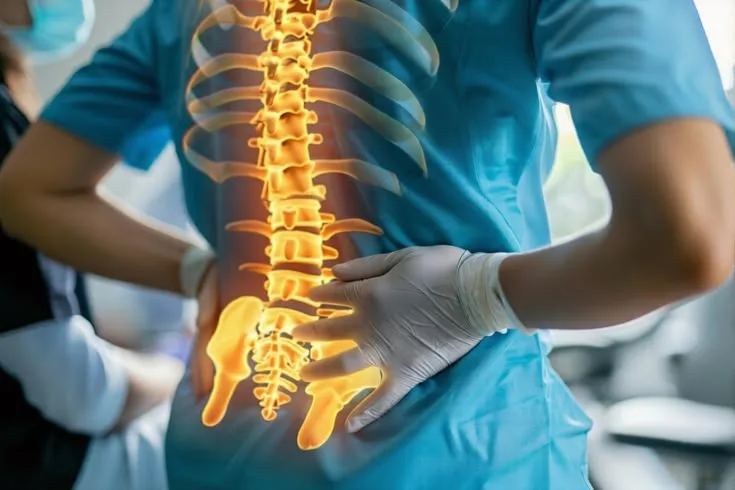
Spinal disorders can affect movement, posture, comfort, and overall quality of life. Chronic back pain, neck pain, nerve compression, and spinal injuries often make routine activities difficult and painful. While many spine conditions improve with medications, physiotherapy, and lifestyle modifications, severe spinal problems may require surgery for long-term relief. Before undergoing treatment, patients should understand Spine Surgery Recovery and Risks to prepare for recovery and improve healing outcomes.
Modern advancements in spinal procedures have significantly improved surgical safety and recovery success. However, every patient still needs proper rehabilitation, medical supervision, and healthy lifestyle habits after surgery. Choosing the Best Hospital for Spine Surgery can also help reduce complications and improve long-term recovery results.
Understanding Spine Surgery
Spine surgery includes procedures performed to treat disorders affecting the spinal cord, vertebrae, discs, and surrounding nerves. These procedures help reduce pain, improve spinal stability, and restore mobility.
Common Spine Procedures Include:
- Spinal fusion surgery
- Discectomy
- Laminectomy
- Cervical spine surgery
- Lumbar spine surgery
- Artificial disc replacement
- Minimally invasive spine surgery
- Scoliosis correction surgery
Understanding Spine Surgery Recovery and Risks allows patients to prepare mentally and physically before surgery.
Conditions That May Require Spine Surgery
Several spinal disorders may eventually require surgical treatment when conservative methods stop providing relief.
Herniated Disc
A damaged or slipped disc can compress spinal nerves and cause severe pain.
Spinal Stenosis
This condition narrows the spinal canal and increases pressure on nerves.
Degenerative Disc Disease
Age-related disc degeneration can cause chronic back pain and reduced flexibility.
Scoliosis
Severe spinal curvature may require corrective surgery.
Spinal Injuries
Accidents, fractures, or trauma can damage spinal structures and affect movement.
Patients receiving treatment at the Best Hospital for Spine Surgery often benefit from advanced imaging, experienced surgeons, and modern surgical technology.
Why Understanding Spine Surgery Recovery and Risks is Important
Every surgical procedure carries some level of risk and requires proper rehabilitation. Patients who understand Spine Surgery Recovery and Risks are more likely to recover successfully and recognize complications early.
Benefits of Understanding Recovery Include:
- Better preparation before surgery
- Reduced anxiety during treatment
- Improved rehabilitation participation
- Faster identification of complications
- Better healing outcomes
Awareness also helps patients follow post-surgical instructions more carefully.
Recovery Timeline After Spine Surgery
Recovery time varies depending on the type of procedure and the patient’s overall health condition.
Immediate Recovery Phase
Patients are closely monitored after surgery and may begin gentle movement within 24 hours depending on the procedure.
First Few Weeks
Pain management, wound care, and activity restrictions are important during this stage.
Physiotherapy and Rehabilitation
Exercises gradually improve flexibility, posture, and muscle strength.
3 to 6 Months Recovery
Most patients slowly return to routine activities during this period.
Long-Term Healing
Complete spinal healing may continue for several months or longer.
Following rehabilitation instructions carefully is essential during Spine Surgery Recovery and Risks management.
Common Risks After Spine Surgery
Although modern spinal procedures are considered safe, certain complications may occur in rare cases.
Infection
Infections may develop around the incision site or deeper spinal tissues.
Blood Clots
Reduced movement after surgery can increase the risk of clot formation.
Nerve Damage
Spinal nerves are delicate structures, and nerve injury may occur in rare cases.
Bleeding
Excessive bleeding is uncommon but possible during or after surgery.
Persistent Pain
Some patients may continue experiencing discomfort after surgery.
Failed Spinal Fusion
In fusion procedures, bones may fail to heal properly in some patients.
Understanding Spine Surgery Recovery and Risks helps patients identify warning signs and seek immediate medical attention when necessary.
Warning Signs Patients Should Not Ignore
Monitoring symptoms after surgery is extremely important.
Seek Medical Attention If You Experience:
- Fever or chills
- Severe swelling or redness
- Worsening pain
- Difficulty breathing
- Loss of bladder or bowel control
- Sudden weakness or numbness
Early treatment of complications can prevent serious health problems.
Important Safety Measures After Spine Surgery
Following safety precautions after surgery helps improve recovery and reduce complications.
Follow Medical Instructions Carefully
Take prescribed medications and attend all follow-up appointments.
Avoid Heavy Lifting
Excess pressure on the spine can affect healing.
Maintain Proper Posture
Good posture reduces stress on the spine during recovery.
Use Supportive Devices Correctly
Braces or walking support should only be used according to medical advice.
Stay Physically Active
Gentle movement and physiotherapy improve circulation and flexibility.
Patients recovering at the Best Hospital for Spine Surgery often receive personalized rehabilitation plans for safer healing.
Importance of Physiotherapy During Recovery
Physiotherapy is essential for restoring movement and spinal strength after surgery.
Benefits of Physiotherapy Include:
- Better flexibility
- Improved posture
- Stronger muscles
- Reduced stiffness
- Faster mobility restoration
Patients who regularly participate in rehabilitation usually achieve better outcomes during Spine Surgery Recovery and Risks management.
Factors That Affect Spine Surgery Recovery
Several factors influence recovery speed after spinal procedures.
Type of Surgery
Minimally invasive procedures often involve shorter recovery times.
Patient Age
Younger patients generally recover more quickly.
Overall Health
Conditions like diabetes, obesity, and smoking may slow healing.
Rehabilitation Participation
Patients who follow physiotherapy programs carefully often experience better recovery outcomes.
Severity of the Spinal Condition
Advanced spinal damage may require longer rehabilitation periods.
Choosing the Best Hospital for Spine Surgery ensures access to experienced rehabilitation specialists and advanced post-operative care.
Minimally Invasive Spine Surgery and Recovery
Modern minimally invasive spinal procedures have become increasingly popular because of their recovery benefits.
Advantages Include:
- Smaller incisions
- Less blood loss
- Reduced pain
- Faster healing
- Shorter hospital stay
Many patients undergoing minimally invasive procedures experience improved Spine Surgery Recovery and Risks outcomes compared to traditional open surgery.
Emotional Recovery After Spine Surgery
Recovery after spinal surgery also affects emotional well-being.
Emotional Challenges May Include:
- Anxiety about movement
- Fear of complications
- Temporary dependence on family support
- Stress during rehabilitation
Support from family members, physiotherapists, and healthcare professionals can help patients stay motivated during recovery.
Choosing the Best Hospital for Spine Surgery
Selecting the right hospital is important for successful surgery and rehabilitation.
Experienced Spine Specialists
Choose surgeons with expertise in spinal procedures.
Advanced Surgical Technology
The Best Hospital for Spine Surgery often provides robotic-assisted surgery and advanced imaging systems.
Comprehensive Rehabilitation Programs
Strong physiotherapy support improves recovery and long-term spinal function.
Positive Patient Reviews
Success stories and testimonials help evaluate treatment quality.
Long-Term Results After Spine Surgery
Most patients experience major improvements after successful recovery.
Long-Term Benefits Include:
- Better spinal stability
- Reduced pain
- Improved posture
- Better mobility and flexibility
- Enhanced quality of life
Maintaining healthy lifestyle habits after surgery helps protect long-term spinal health.
Conclusion
Understanding Spine Surgery Recovery and Risks is essential for patients preparing for spinal treatment. While spinal surgery can provide long-term relief from chronic pain and nerve compression, successful recovery depends on proper rehabilitation, healthy habits, and medical supervision.
Patients who follow physiotherapy programs, maintain safety precautions, and stay informed about possible complications are more likely to achieve better healing outcomes. Choosing the Best Hospital for Spine Surgery and consulting experienced spinal specialists can greatly improve treatment success and long-term recovery quality.
With proper care, rehabilitation, and healthy lifestyle management, patients can regain mobility, reduce pain, and return to a more active and comfortable life after spine surgery.