
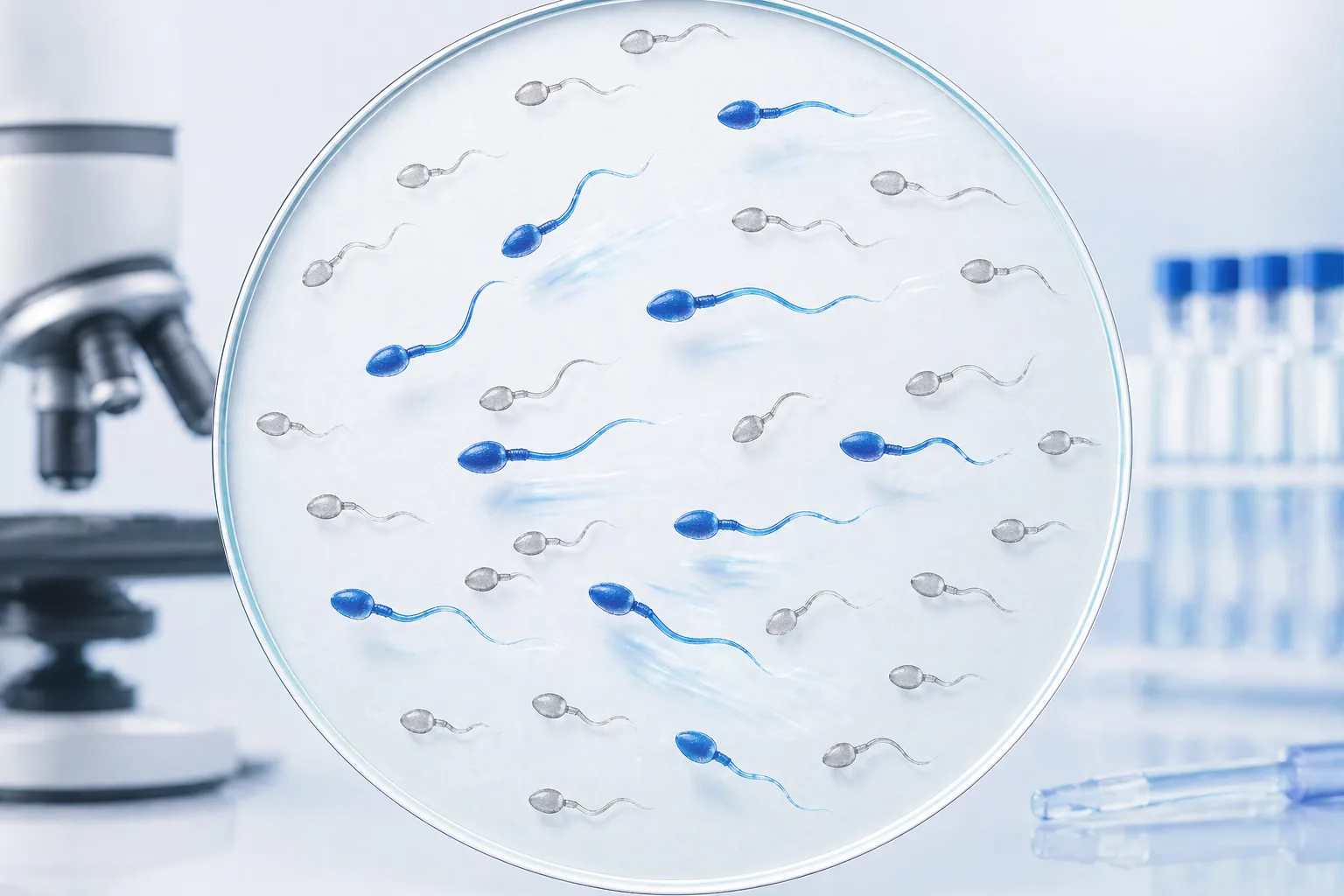
When a couple struggles to conceive, attention often turns immediately to the woman. But male fertility and specifically sperm motility, play an equally significant role in whether pregnancy is achievable. If you have been advised to consult the best IVF doctor in Konanakunte or are simply trying to understand a semen analysis report, this guide explains sperm motility clearly and honestly.
What Is Sperm Motility and Why Does It Matter?Sperm motility refers to the ability of sperm to move efficiently through the female reproductive tract to reach and fertilize an egg. A semen analysis report typically classifies motility into two categories:
Progressive motility — sperm moving forward in a straight line or large circles. This is the most clinically important type, as only forward-moving sperm can successfully navigate the cervix, uterus, and fallopian tubes.
Non-progressive motility — sperm that move but not in a purposeful forward direction.
Immotile sperm — sperm that show no movement at all.
According to WHO reference values, a healthy semen sample should contain at least 32% progressively motile sperm. When this percentage falls below that threshold, the condition is known as asthenozoospermia — one of the most common causes of male factor infertility.
How Does Poor Sperm Motility Affect Pregnancy?Even with a normal sperm count, poor motility significantly reduces the chances of natural conception. Sperm must travel a considerable biological distance to reach the egg, navigating through cervical mucus, up through the uterine cavity, and into the fallopian tubes. Slow, poorly directed, or immotile sperm simply cannot complete this journey reliably.
For couples trying to conceive naturally, asthenozoospermia means fewer sperm arrive at the site of fertilization — reducing the probability of conception each cycle. For couples undergoing IUI, low motility affects the quality of the prepared sperm sample. And even in IVF without ICSI, sperm motility influences fertilization rates in the laboratory.
What Causes Sperm Motility Problems?Understanding the root cause is essential before any treatment is recommended. Common causes include:
Oxidative stress — excess free radicals in the seminal plasma damage sperm membranes and mitochondria, directly reducing energy production and motility. Smoking, alcohol, poor diet, and environmental toxin exposure are major contributors.
Varicocele — enlarged veins in the scrotum raise testicular temperature, impairing sperm production and motility simultaneously. Varicocele is one of the most treatable causes of male infertility.
Infections — past or current genital tract infections can cause inflammation and damage to the epididymis, where sperm mature and develop their motility capacity.
Sperm DNA fragmentation — damage to the DNA inside sperm cells affects not just fertilization but embryo development and early pregnancy outcomes. Standard semen analysis does not detect this — a separate sperm DNA fragmentation test is needed.
Hormonal imbalances — low testosterone, elevated prolactin, or thyroid dysfunction can impair sperm production and motility at the cellular level.
Lifestyle factors — heat exposure (laptops, hot tubs, tight clothing), sedentary behaviour, obesity, and chronic stress all measurably reduce sperm motility over time.
Can Sperm Motility Be Improved?Yes, in many cases, sperm motility responds well to targeted intervention. The approach depends entirely on the identified cause.
Antioxidant therapy, including vitamins C and E, zinc, selenium, and CoQ10, has clinical evidence supporting improvement in sperm motility parameters, particularly in men with elevated oxidative stress markers. Varicocele repair, when clinically indicated, often results in measurable improvement in motility within 3–6 months post-procedure.
Lifestyle changes, such as quitting smoking, reducing alcohol, correcting BMI, managing heat exposure, and improving sleep quality, all contribute meaningfully to sperm health. These are not alternative remedies; they are evidence-based clinical recommendations.
When Should You Seek Medical Help?If you have been trying to conceive for 12 months without success, or 6 months if your partner is over 35, a complete male fertility evaluation is essential, not optional. A single standard semen analysis is a starting point, not a complete picture. Sperm DNA fragmentation testing, hormonal panel, and scrotal ultrasound may all be needed to fully understand the situation.
Consulting the best IVF doctor in Konanakunte means accessing a team that evaluates both partners thoroughly because treating male infertility effectively requires identifying its cause, not just its symptoms.
At Dr. Aravind's IVF Fertility & Pregnancy Centre, male fertility is assessed with the same clinical depth as female fertility because in approximately half of all infertility cases, the answer lies with the male partner. Every couple deserves a complete picture before treatment begins.