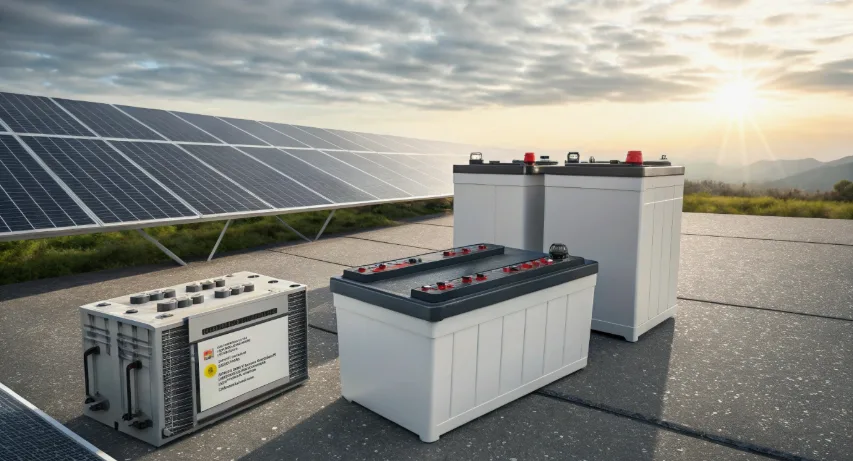
At first glance, both options look similar: a large battery that keeps electricity available when the grid does not. Yet one arrives with handles and built-in outlets, while the other becomes part of the home’s electrical system.
That difference changes almost everything. A solar battery backup is designed for integrated household protection, while a portable power station is designed for flexible, plug-in electricity. Houston homeowners should look beyond battery size and ask what they need powered, whether power should return automatically, how recharging will work, and how long the solution must serve the property.
Key Takeaways
- Portable units suit limited loads, mobility, and shorter interruptions.
- Installed storage can protect selected circuits automatically.
- Recharging, coverage, and outage duration matter as much as price.
- Some households benefit from using both options for different jobs.
Which Is Better: Solar Battery or Portable Power?
Neither option is universally better. A portable unit fits device charging, a few plug-in essentials, travel, and homes where permanent installation is impractical. Installed storage fits homeowners seeking automatic operation, protected circuits, solar integration, and a long-term energy strategy.
This distinction matters when reviewing solar solutions Houston homeowners may be considering. The useful question is not, “Which battery is bigger?” It is, “Which type of system matches the way this household experiences an outage?”
The Backup Power Test Every Homeowner Should Use
Before comparing products, the homeowner can work through five questions.
1. Does the Power Need to Move?
A portable unit can travel between rooms, vehicles, and outdoor activities. An installed battery stays with the property and serves circuits selected during design.
2. Should Power Reach Outlets or Home Circuits?
Portable stations usually power devices connected directly to their outlets. An installed system can supply selected circuits through properly designed electrical equipment.
3. Is Manual Setup Acceptable?
A portable unit must be charged, positioned, connected, and managed. A properly configured solar battery backup can respond automatically when utility service fails.
4. How Will Stored Energy Be Recovered?
A portable station may recharge from a wall outlet, vehicle connection, or compatible portable panels. Installed backup energy storage can pair with rooftop solar, giving the home a way to produce more electricity after stored energy begins to fall.
5. Is This an Emergency Tool or a Home Upgrade?
A portable unit is a flexible appliance. Installed storage becomes part of the home’s electrical infrastructure and may support outage protection, daily solar use, monitoring, and expansion.
“Price is what you pay. Value is what you get.” — Warren Buffett
The less expensive option may be the better value for a small need. The more complete system may be worth more when reliability and broader coverage matter every season.
How Do the Two Backup Options Compare?
Decision FactorPortable UnitInstalled Solar BatteryWhy It MattersSetupPlug-in and movableProfessionally connectedDefines installation needsCoverageIndividual devicesSelected circuits or broader loadsDetermines what stays availableOutage responseUsually manualCan transfer automaticallyAffects how quickly power returnsRechargingGrid, vehicle, or portable panelsGrid and potentially rooftop solarShapes recovery during longer outagesExpansionLimited by the product platformMay support more storage or solarMatters as demand changesOwnership fitTravel and occasional useLong-term homeownersConnects cost to expected use
The difference between stored energy and available power is important. In its 2024 residential solar-plus-storage benchmark, the U.S. Department of Energy modeled an installed battery system with 13.5 kilowatt-hours of energy capacity and a 5-kilowatt bidirectional inverter. These separate ratings illustrate why battery size alone cannot determine backup performance: energy capacity affects potential runtime, while inverter output affects how much electrical demand the system can support at one time.
The comparison is not simply small battery versus large battery. It is portable access versus integrated protection.
When Does a Portable Power Station Make More Sense?
A portable power station can be sensible for a homeowner who wants a lower-commitment backup tool. It may keep phones, laptops, networking equipment, lamps, fans, or a compatible refrigerator operating for a limited period, depending on the unit and connected loads.
It may also fit homes where permanent installation is difficult or the unit will support camping and travel. Used normally, it requires no permanent wiring and can move with the household.
Its limits should remain clear. Portable units usually require manual setup, offer fewer options for built-in appliances, and may run out before a prolonged outage ends. They should never be improvised into home wiring or used to backfeed circuits without approved equipment and professional installation.
When Is Solar Battery Backup the Better Choice?
Installed storage is usually stronger when outages create serious household disruption. It can be designed around refrigeration, medical needs, communications, security, selected cooling, lighting, and other priorities without relying on extension cords throughout the home.
It also coordinates the solar array, electrical panel, monitoring system, and household loads. When configured for outage operation, rooftop solar may help replenish stored energy after the storm passes.
That makes backup energy storage more than an emergency device. It can become part of a broader plan for using household solar, reducing grid dependence, and preparing for future electrical demand.
Can a Houston Home Benefit From Both?
Yes. The two options do not always compete.
An installed battery can protect critical circuits, while a portable unit can serve a detached workspace, provide mobile charging, or travel during an evacuation. Each product receives a specific role.
Homeowners exploring solar solutions Houston services should still design the permanent system around the house itself. The portable unit should add flexibility, not compensate for unclear load planning or an undersized installation.
Backup Buying Mistakes That Lead to Regret
Do this: List the exact devices or circuits that must remain available.
Do not: Shop by battery capacity alone.
Do this: Decide whether automatic transfer matters.
Do not: Assume every battery powers the home when the grid fails.
Do this: Plan how the system will recharge.
Do not: Treat stored electricity as unlimited.
Do this: Consider where equipment will be stored or installed.
Do not: Ignore heat, moisture, access, ventilation, or manufacturer instructions.
Do this: Compare total cost against expected years and uses.
Do not: Assume the cheapest purchase creates the lowest long-term cost.
One Houston Family, Two Different Jobs for Backup Power
Consider a family with two home offices, refrigerated medication, and frequent weekend travel. A portable unit is useful in the vehicle, at a campsite, and in a detached garage where only a few devices need temporary electricity.
Inside the house, the priorities are different. Refrigeration, internet, security, selected lighting, and one cooling area need organized protection. Running cords from one portable unit would be inconvenient, and someone may not be home when the outage begins.
The family chooses installed storage for the house and keeps the portable unit for mobility. Neither replaces the other because each solves a different problem. The decision works because the household defined the job before choosing the tool.
Conclusion: Choosing the Backup That Fits the Real Risk
A portable power station is practical when mobility, simplicity, and limited plug-in power are the priorities. A solar battery backup is the stronger long-term option when a homeowner wants integrated circuits, automatic response, rooftop solar recharging, and broader outage protection.
Houston homeowners ready to compare these paths around their property, budget, and resilience goals can work with GPT Energy Inc to develop a clear solar and storage plan without buying more or less systems than the home needs.
Frequently Asked Questions
1. What makes a good portable backup unit?
A good unit matches the required devices, expected runtime, charging options, storage location, and safe operating instructions.
2. Can a portable unit run a Houston home?
It can support selected plug-in devices, but it is generally not a substitute for professionally installed circuit-level or whole-home backup.
3. What are the best practices for choosing installed solar storage?
Identify critical circuits, define outage duration, review solar production, verify electrical readiness, and plan for future loads.
4. When should a homeowner hire a professional?
Professional help is appropriate when backup equipment will connect to the electrical panel, rooftop solar, transfer equipment, or built-in circuits.
5. What affects the cost of each backup option?
Cost depends on stored energy, power output, charging features, installation work, electrical upgrades, solar integration, expansion, and monitoring.