
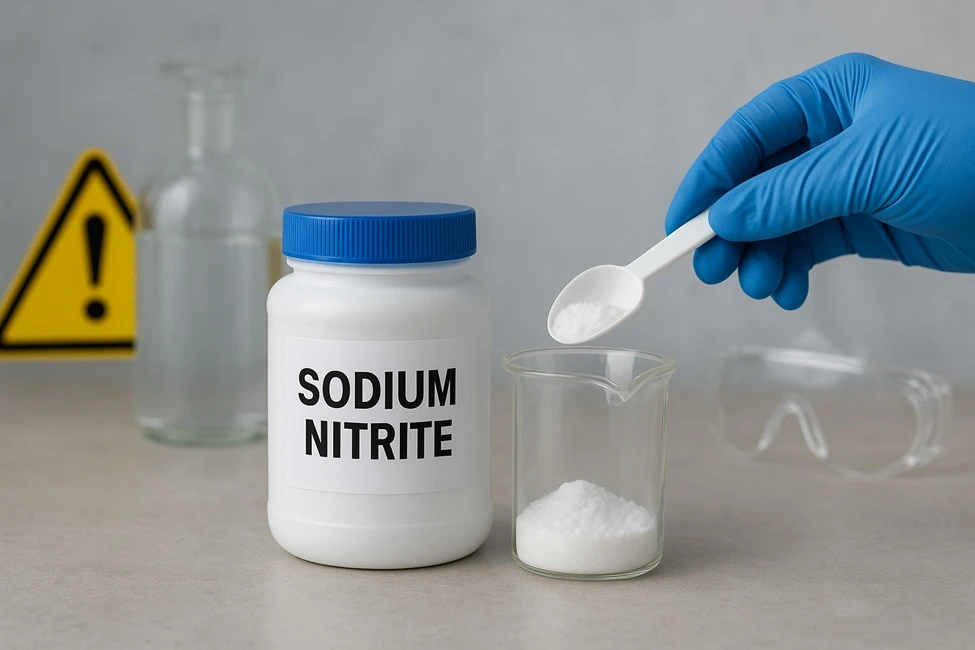
Sodium nitrite plays an essential role in various industries across Australia, from food preservation to chemical manufacturing and laboratory applications. Many Australians who buy sodium nitrite for professional or regulated use understand its importance, but may not be fully aware of the best practices for safe storage and handling. Proper care ensures both safety and product effectiveness, reducing the risks of contamination, degradation, or accidental exposure.
This article provides practical guidance for Australians who use sodium nitrite in their businesses or workplaces, offering comprehensive information about correct storage conditions, handling procedures, safety measures, and environmental responsibilities.
Understanding Sodium Nitrite
Sodium nitrite is a white to slightly yellow crystalline powder commonly used as a preservative and colour fixative in processed meats such as bacon, ham, and sausages. In industrial applications, it is used in dyes, corrosion inhibitors, and pharmaceuticals. While highly useful, sodium nitrite is also a reactive chemical that requires responsible management due to its potential health and environmental risks.
When stored or handled incorrectly, it can decompose or react with other substances, releasing toxic gases or forming hazardous compounds. Therefore, maintaining strict safety protocols is crucial for all users, from food processors to laboratory technicians.
Why Proper Storage Matters?
The stability of sodium nitrite depends heavily on environmental factors such as temperature, humidity, and exposure to light. Incorrect storage can lead to chemical breakdown or contamination, which can compromise product quality and safety. In addition, accidental exposure or ingestion poses serious health risks.
In Australia, chemical safety is governed by both state and federal regulations, including standards set by Safe Work Australia and the Australian Dangerous Goods (ADG) Code. These guidelines outline the proper methods for managing substances like sodium nitrite, ensuring that they remain stable and safe to use.
Ideal Storage Conditions
Creating the right environment for sodium nitrite storage helps extend its shelf life and maintain purity. Here are several key factors to consider:
1. Temperature Control
Sodium nitrite should be stored in a cool, dry place away from direct sunlight or sources of heat. High temperatures can accelerate decomposition, while exposure to moisture can cause clumping or unwanted chemical reactions. A stable temperature below 25°C is generally recommended for Australian conditions, especially in regions with warmer climates.
2. Humidity and Ventilation
Moisture is one of the greatest enemies of sodium nitrite. Containers must be sealed tightly after each use to prevent air and humidity from entering. Storage areas should also be well-ventilated to avoid the accumulation of dust or vapours. In coastal regions of Australia, where humidity levels are naturally high, using dehumidifiers or air-conditioned storage rooms can help maintain product integrity.
3. Container Material
Always use containers made from materials resistant to corrosion and chemical reactions, such as polyethylene or glass. Metal containers can react with sodium nitrite and cause contamination or structural damage. Each container should be clearly labelled with the chemical name, concentration, and hazard information.
4. Segregation from Incompatible Substances
Sodium nitrite must be stored separately from organic materials, reducing agents, and acids. Mixing or accidental contact with these substances can result in dangerous chemical reactions, including the release of toxic nitrogen oxides. Dedicated shelving or storage cabinets for oxidising agents are ideal, ensuring that the material remains isolated from incompatible products.
Safe Handling Procedures
Handling sodium nitrite safely requires careful attention to personal protection, proper equipment, and emergency readiness. Anyone managing the substance should undergo basic chemical safety training and follow established workplace safety protocols.
1. Personal Protective Equipment (PPE)
Individuals handling sodium nitrite should wear protective gloves, lab coats or aprons, and safety goggles. In situations where dust may be generated, a respirator or mask rated for fine particles is also necessary. PPE should be inspected regularly and replaced if damaged or contaminated.
2. Avoiding Direct Contact
Direct contact with sodium nitrite can irritate the skin, eyes, and respiratory tract. Always use scoops or measuring tools rather than handling the chemical directly. Work areas should be equipped with washing stations or emergency eyewash facilities in case of accidental exposure.
3. Measuring and Mixing
When dissolving or mixing sodium nitrite in water or other solutions, add the chemical slowly and under controlled conditions. Rapid addition or excessive agitation can lead to splashing or the formation of aerosols. It is also important to work in a well-ventilated space or under a fume hood to prevent inhalation of any vapours.
4. Clean-Up and Waste Management
Spills should be cleaned immediately using dry, non-reactive materials such as sand or vermiculite. Avoid using combustible absorbents like sawdust. All waste generated from handling sodium nitrite must be disposed of in accordance with local environmental regulations. Contacting a licensed waste management provider ensures compliance with Australian ecological protection laws.
Health and Safety Considerations
Sodium nitrite can pose several health hazards if not managed properly. Ingestion can cause serious poisoning, while prolonged exposure to dust or vapours may affect respiratory health. Understanding the symptoms of exposure and acting quickly can prevent serious incidents.
First Aid Measures
- Inhalation: Move the person to fresh air immediately and seek medical assistance if breathing becomes difficult.
- Skin Contact: Wash thoroughly with soap and water. Remove contaminated clothing.
- Eye Contact: Rinse eyes with clean water for several minutes and obtain medical help if irritation persists.
- Ingestion: Do not induce vomiting. Contact a medical professional or Poison Information Centre immediately.
Emergency Preparedness
Workplaces that store sodium nitrite should maintain updated Material Safety Data Sheets (MSDS) and emergency response plans. Staff should be trained to handle chemical incidents efficiently, including spill containment, evacuation, and first aid procedures.
Environmental Responsibility
Environmental care is an essential part of chemical management in Australia. Improper disposal of sodium nitrite can contaminate water sources and soil, posing risks to wildlife and human health.
To prevent environmental harm, never dispose of sodium nitrite in regular waste bins, drains, or natural water systems. Instead, follow the guidelines provided by local councils or the Australian Government Department of Climate Change, Energy, the Environment and Water. Using licensed chemical waste disposal services is the safest and most compliant method.
Legal and Regulatory Requirements in Australia
Handling and storage of sodium nitrite in Australia are regulated under various laws and standards to protect workers, communities, and the environment. Key frameworks include:
- Safe Work Australia’s Hazardous Chemicals Information System (HCIS) classifies sodium nitrite as an oxidising and toxic substance.
- The Australian Dangerous Goods (ADG) Code provides detailed instructions for packaging, labelling, and transportation.
- Work Health and Safety (WHS) Regulations require employers to provide training, risk assessments, and protective measures for employees working with hazardous chemicals.
Compliance with these requirements is not only a legal obligation but also a moral responsibility for maintaining a safe working environment.
Practical Tips for Everyday Use
Australians who work with sodium nitrite regularly can adopt several habits to ensure ongoing safety and efficiency:
- Inspect containers regularly for signs of corrosion, leaks, or damage.
- Record the purchase and usage dates to monitor shelf life.
- Keep storage areas locked and accessible only to trained personnel.
- Avoid eating, drinking, or smoking near handling zones.
- Regularly review safety procedures and conduct refresher training sessions.
These measures help maintain consistency and reduce the likelihood of accidents or contamination.
Conclusion
Sodium nitrite is a valuable and versatile chemical used across numerous Australian industries. Still, it must be treated with care and respect. Proper storage, handling, and disposal practices protect not only individuals but also the environment and the broader community. By following Australian safety regulations, maintaining suitable storage conditions, and using appropriate protective equipment, users can ensure that sodium nitrite remains a safe and effective tool in their professional work.
Understanding its properties and adhering to recommended practices is essential for anyone managing this compound. Responsible use and awareness are the keys to ensuring safety, compliance, and sustainability in every Australian workplace that relies on sodium nitrite.