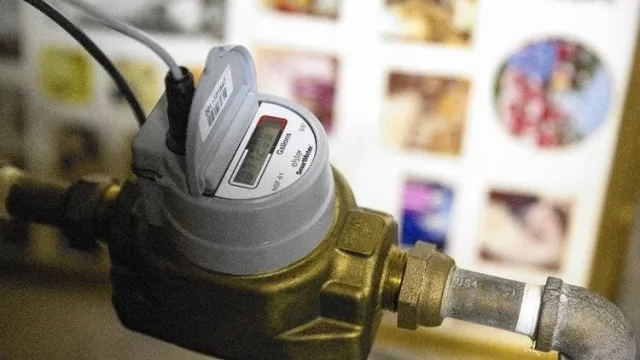
The Smart Water Meter Market has been disrupted by rapid technological evolution, climate-related crises, and changing consumer expectations. These disruptions are forcing utilities to reevaluate legacy systems and embrace transformative digital-first strategies. Rather than slowing down the market, these shifts are accelerating adoption, fostering innovation, and challenging traditional utility frameworks.
Climate Change and Water Scarcity Accelerate Smart Meter Demand
Extreme weather events are disrupting traditional water management approaches.
- Droughts, floods, and rising temperatures make real-time monitoring a necessity
- Smart meters help detect abnormal usage patterns during climate shocks
- Governments investing in climate-resilient infrastructure, including digital water systems
Global Health Crises and Remote Operations
Events like COVID-19 highlighted the vulnerabilities of manual systems.
- Utilities needed remote, no-contact data collection capabilities
- Smart water meters allowed uninterrupted billing and maintenance
- Accelerated digitization of back-end utility operations
Supply Chain Volatility and Localization Trends
Global disruptions have reshaped the sourcing and manufacturing landscape.
- Chip shortages and shipping delays delayed some smart meter rollouts
- Prompted shift toward localized manufacturing and regional supplier ecosystems
- Focus on building resilient and self-reliant production bases
Regulatory Shifts and Mandated Modernization
Governments are mandating technological upgrades across utilities.
- Policies promoting water efficiency and smart metering integration
- Regulatory deadlines pushing rapid deployment in urban and rural areas
- National digital infrastructure programs including water metering as a core element
Cybersecurity Breaches Drive Investments in Digital Protection
Security threats have become major disruptors in utility operations.
- Utilities investing in encryption, authentication, and real-time breach detection
- Cybersecurity baked into smart meter hardware and software design
- Ongoing need for compliance with international data protection standards
Disruption of Legacy Utility Business Models
Traditional billing and customer service models are no longer viable.
- Smart meters enable real-time billing, usage alerts, and flexible payment options
- Shift from reactive to predictive maintenance
- Customers expect transparency, mobile access, and personalized insights
Rise of Non-Traditional Entrants and Tech Startups
Technology firms are entering the water utility space.
- Startups offering AI, IoT, and cloud-native smart metering solutions
- Collaboration between hardware manufacturers and data analytics companies
- Disrupting long-standing vendor relationships and procurement patterns
User Behavior Disruptions and Increased Awareness
Consumer expectations have shifted dramatically in recent years.
- Demand for sustainability and conservation rising among end-users
- Users more informed about rights, efficiency, and pricing
- Community-based metering models emerging in water-scarce regions
Conclusion
Disruptions in the Smart Water Meter Market are not hindrances—they're catalysts for systemic innovation. Utilities that embrace digital-first strategies, cybersecurity, and new service models will thrive in the face of uncertainty. These changes are ushering in a more agile, sustainable, and intelligent future for global water management.