Expanding your living space can significantly enhance your home's functionality and comfort. Whether you need an extra bedroom, a dedicated home office, or a brighter, more expansive living area, a house extension offers a practical solution. The key to a successful extension lies in thoughtful planning and the selection of materials that promise longevity and aesthetic appeal.
In recent years, innovative materials have emerged that not only provide durability but also offer sustainable benefits. Among these, Plaswood stands out as a versatile and resilient option for various construction applications, including home extensions. Its unique properties make it an excellent choice for components exposed to the elements or high-traffic areas, ensuring your new space remains beautiful and functional for years to come.
Designing Your Plaswood House Extension
When envisioning your house extension, consider how the new space will integrate with your existing home and the surrounding environment. Plaswood, a type of recycled plastic lumber, offers exceptional design flexibility due to its workability and range of finishes.
Maximizing Natural Light and Space
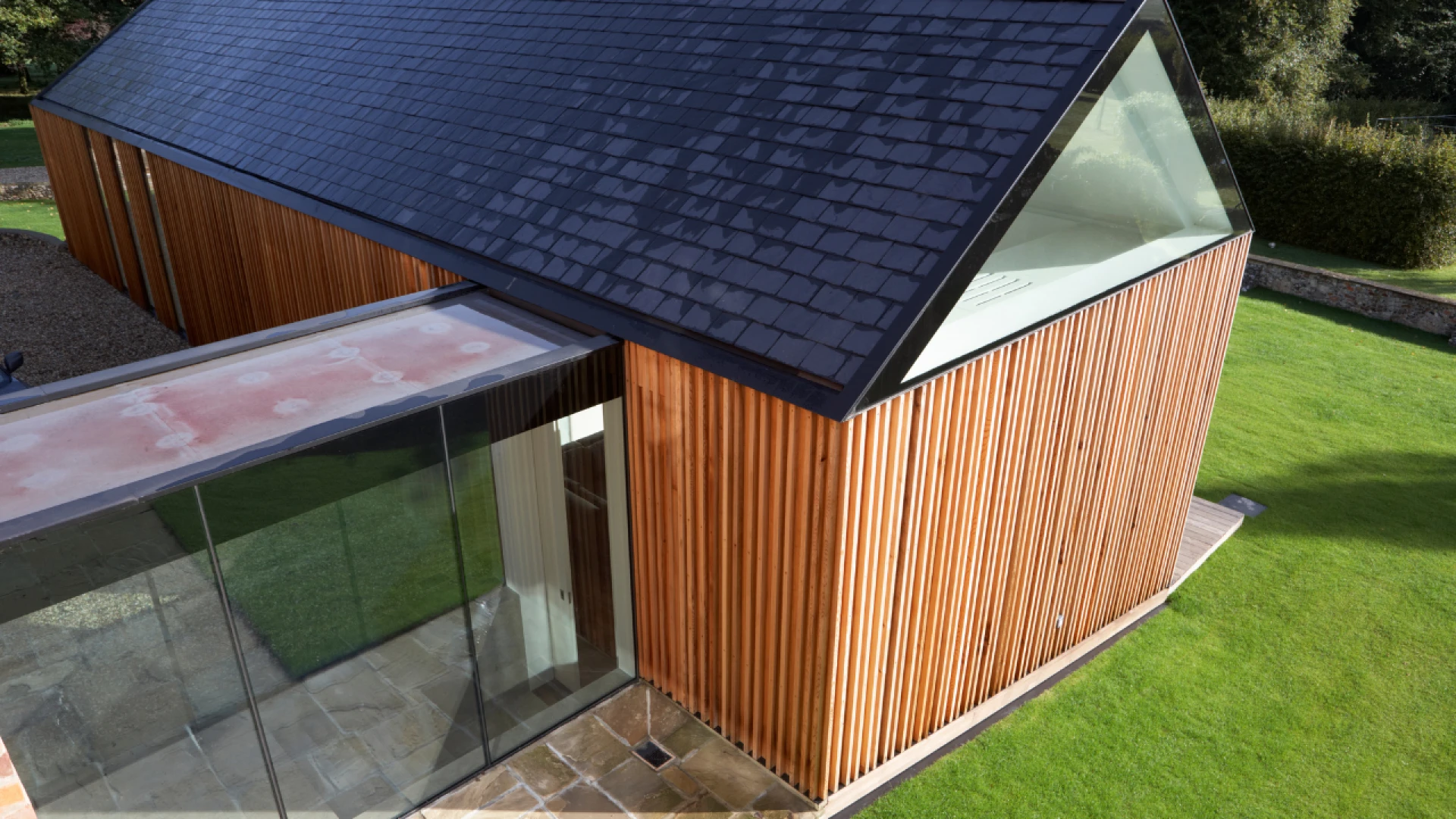
Natural light is crucial for creating an inviting and airy atmosphere. Incorporate large windows, sliding doors, or even a skylight into your extension design. Plaswood can be used for window frames and door surrounds, offering a low-maintenance and weather-resistant alternative to traditional materials. Its stability means it won't warp or rot, even in areas prone to moisture, making it ideal for sunrooms or conservatories.
Seamless Indoor-Outdoor Flow
For extensions that blur the lines between indoor and outdoor living, Plaswood decking or cladding can create a cohesive look. Imagine a living room extension that opens onto a Plaswood deck, extending your usable space into the garden. This material's slip-resistant and splinter-free properties make it a safe and comfortable choice for outdoor areas, while its resistance to fading ensures a consistent appearance between interior and exterior elements.
Practical Plaswood Applications for Your Extension
Plaswood's versatility extends to numerous practical applications within a house extension, providing both structural integrity and aesthetic finishing.
Exterior Cladding and Facades
Using Plaswood for exterior cladding offers a durable and attractive facade for your new extension. It is resistant to insects, rot, and moisture, eliminating the need for regular painting or sealing. Available in various profiles and colors, Plaswood cladding can mimic the look of traditional timber while offering superior performance in harsh weather conditions.
Decking and Balconies
If your extension includes an elevated platform or a balcony, Plaswood decking provides a robust and low-maintenance solution. Unlike wood, it won't splinter, warp, or crack, making it safer for bare feet and requiring no staining or sealing. This makes it an ideal choice for integrating outdoor living spaces with your new extension.
Fencing and Screening
For privacy or to define boundaries around your extension, Plaswood fencing or decorative screens can be incorporated into the design. Its durability ensures long-lasting performance without the need for constant repairs or replacements, maintaining the aesthetic appeal of your extension's surroundings.
Sustainable and Long-Term Benefits of Plaswood
Choosing Plaswood for your house extension is not only a practical decision but also an environmentally conscious one. Made from recycled plastics, it helps reduce landfill waste and the demand for virgin timber.
Durability and Longevity
Plaswood is renowned for its exceptional durability. It is resistant to water, rot, fungi, and insects, meaning your extension will withstand the test of time and various environmental challenges. This longevity translates to fewer repairs and replacements, offering significant long-term savings.
Low Maintenance
One of the most appealing aspects of Plaswood is its minimal maintenance requirements. Unlike wood, it doesn't need sanding, painting, or sealing. A simple wash with soap and water is usually sufficient to keep it looking new, freeing up your time and reducing ongoing costs.
Environmental Impact
By opting for Plaswood, you contribute to a circular economy by utilizing recycled materials. This reduces the carbon footprint associated with your construction project and promotes sustainable building practices.
Conclusion
A house extension is a significant investment that can dramatically improve your living environment. By incorporating durable Plaswood solutions, you can create a beautiful, functional, and long-lasting addition to your home. Its versatility, low maintenance, and environmental benefits make it an excellent choice for a wide range of applications, ensuring your new space is not only aesthetically pleasing but also a smart and sustainable investment.
FAQs
1. Is Plaswood suitable for structural components in a house extension?
While Plaswood is incredibly durable and can be used for many non-load-bearing applications like cladding, decking, and decorative elements, it is generally not recommended for primary structural components that require specific load-bearing capacities unless explicitly engineered for such use. Always consult with a structural engineer or building professional for specific structural applications.
2. How does Plaswood compare to traditional wood in terms of cost?
Initially, Plaswood might have a higher upfront cost than some traditional wood options. However, its long lifespan and virtually zero maintenance requirements (no painting, staining, or replacement due to rot or insects) often result in significant cost savings over the lifetime of the extension, making it a more economical choice in the long run.
3. Can Plaswood be painted or stained?
Plaswood is designed to retain its color and does not require painting or staining. Its color is integrated throughout the material, meaning scratches are less noticeable. While it is generally not recommended to paint or stain Plaswood due to its non-porous nature, some specialized paints or coatings might adhere if properly prepared. It's best to check with the manufacturer for specific recommendations if you wish to alter its appearance.
4. Is Plaswood environmentally friendly?
Yes, Plaswood is considered environmentally friendly. It is made from 100% recycled plastic, diverting waste from landfills and reducing the demand for virgin resources. Its durability and long lifespan also mean less material consumption and waste over time compared to materials that require frequent replacement.
5. How do I clean Plaswood?
Cleaning Plaswood is very simple. For general maintenance, a broom or hose can remove loose dirt. For more stubborn stains, a mild soap and water solution with a brush or cloth will usually suffice. Avoid harsh chemicals or abrasive cleaners, as these can potentially damage the surface.