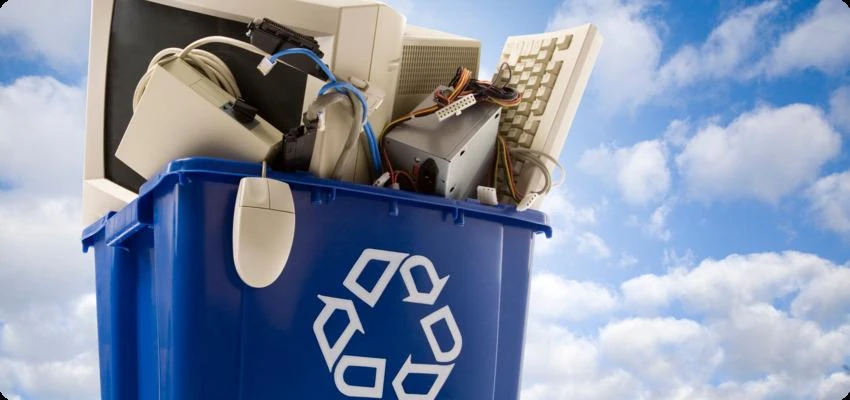
Laptops get replaced. Servers get upgraded. Phones, tablets, and smart devices in the fast-paced business environment have their shelf life limited. What happens when all of these systems and devices are out of working order?
To today’s companies, this question does not merely involve clearing out storage closets. It is about responsibility, security, sustainability, and brand image. Your way of handling the disposal of used electronics could lead to closing the loop cleanly or rendering your company with digital and environmental liabilities. Smart ewaste recycling practices fill this gap.
Modern businesses are going a step further beyond just the disposal of devices by weaving IT asset management, battery recycling, and ethical electronic recycling into their core business milieu. Here is how your company can do the same without breaking stride.
Why eWaste Recycling Has Gained Importance More Than Ever
Electronic waste is one of the fastest-growing pollutant problems in the world today. Elements of outdated technologies usually have traces of lead, mercury, and cadmium. Dumping them into landfills permits the release of toxins into the soil and water systems for years on end, adversely affecting the environment.
However, the dangers of improper disposal do not end with ecology; it could be a leakage of sensitive data and the consequent regulatory problems and loss of customer trust.
Recycling electronics for businesses is more than a green badge; it is a reality of keeping data secure and abiding by environmental compliance and ethics.
Top risks of ignoring eWaste practices:
- Data leaks from improperly discarded devices
- Costly penalties due to non-compliance with disposal regulations
- Brand damage from unsustainable business practices
- Missed opportunities for resource recovery and circular economy initiatives
When you take ewaste recycling seriously, you send a message that your business is future-focused and values accountability.