Introduction
For people who are deaf or hard of hearing, staying aware of their surroundings can be a challenge. Everyday sounds like doorbells, fire alarms, or phone rings may go unnoticed. That’s where a smart alerting device comes in. These tools use lights, vibrations, or signals to alert users to important events happening around them.
In this article, we’ll explore different types of alert devices for the deaf and how they work. We’ll also look at how alerting devices for hearing impaired can offer safety, confidence, and peace of mind.
What Is an Alerting Device?
An alerting device is a system that replaces or supports sound-based signals. It helps deaf or hard-of-hearing individuals receive alerts using other senses like sight or touch.
These devices include flashing lights, bed shakers, or strong vibrations. They alert users to things like doorbells, alarms, or baby monitors. Many devices are wireless and can work throughout the home.
How Alert Devices for the Deaf Work
Alert devices for the deaf use sensors to detect sound, movement, or specific signals. Once activated, they send a visual or tactile alert.
For example, a doorbell signal may trigger a flashing light. A smoke alarm could send vibrations through a bed shaker. These signals ensure the user is aware of what’s happening, even if they cannot hear it.
Benefits of Alerting Devices for the Deaf
Alerting devices for the deaf offer safety and freedom. They help users become aware of important events without relying on others.
These tools are especially useful in emergencies. A fire alarm with a strong flash or vibration can save lives. The same goes for alerts from security systems, telephones, or timers.
Why Use Alerting Devices for Hearing Impaired
Alerting devices for hearing impaired are made for people who may still hear some sounds but miss quiet or distant signals.
These devices help users hear or feel alerts they might otherwise miss. They are ideal for bedrooms, living rooms, and even offices. Many systems are portable and travel-friendly.
Different Types of Alerting Devices
Doorbell Signalers
These connect to your doorbell and flash lights or send vibrations when someone presses the bell. They ensure you never miss a visitor.
Smoke and Fire Alarms
Safety comes first. These alarms vibrate or flash lights when they detect smoke. This is important during the night when people are asleep.
Baby Cry Monitors
Parents who are hard of hearing can use these monitors. They send signals when the baby cries, using lights or a vibrating pager.
Phone Signalers
When a call comes in, these devices flash or vibrate to alert the user. Some connect to smartphones and show caller ID.
Clock and Timer Alerts
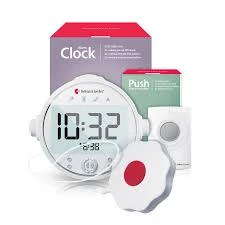
These tools include bed shakers or flashing lights to wake the user at the set time. They are helpful for deep sleepers or those with full hearing loss.
How to Set Up an Alerting Device
Most systems are easy to set up. Place sensors where they are needed—near the door, phone, or smoke alarm. Then link the sensors to the alert receiver, such as a vibrating pager or flashing light.
Some models allow connection to multiple sensors. This way, the user can receive alerts from different sources with one receiver.
Who Should Use These Alerting Devices?
These devices are perfect for:
- Deaf individuals
- Seniors with hearing loss
- Families with deaf children
- People living alone with hearing challenges
- Students in dorms or shared housing
Features to Look For
Range and Signal Strength
Make sure the signal reaches across rooms or floors. This is helpful in larger homes.
Custom Alerts
Some systems allow users to set different alerts for different sounds.
Battery Backup
Power cuts should not stop the device from working. Backup batteries ensure safety.
Portability
Portable models are ideal for travel or moving around the house.
Safety and Independence
Using an alerting device helps people live more independently. They don’t need to rely on others to know if someone is at the door or if the phone is ringing.
These devices reduce stress and give users the confidence to go about their day with peace of mind.
Keeping Up with Modern Technology
Many alert devices for the deaf now include smart technology. They connect to smartphones or home systems. This makes setup and control even easier.
Some apps allow you to change settings, check battery life, and test alerts from your phone. These features bring more flexibility to the user.
Conclusion
Alerting devices for the deaf and alerting devices for hearing impaired offer support and safety for people with hearing loss. Whether you need to catch the doorbell, hear a baby cry, or respond to a smoke alarm, a smart alerting device can help.
With strong lights, powerful vibrations, and smart features, these tools make life easier and safer every day.