Fire protection systems are often ignored until something goes wrong. Most property owners focus on large, visible equipment like control panels, smoke detectors, and pull stations. Yet some of the most important parts of a system are small devices working quietly behind the scenes.
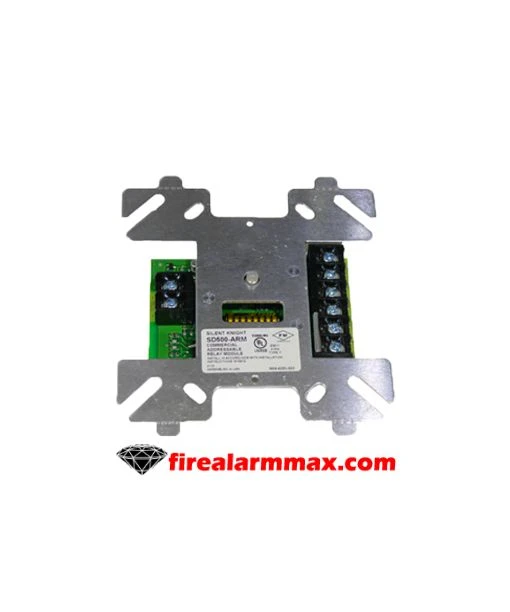
One example is the SD500-ARM addressable relay module. This compact component plays a powerful role inside modern fire alarm systems. While it may not look impressive, it helps control critical building functions when an alarm is triggered. That small action can prevent major damage, reduce safety risks, and avoid expensive downtime.
Understanding how a minor upgrade like this can protect your property will help you make smarter decisions for long-term safety.
Why Small Components Matter in Fire Protection Systems
Hidden Devices With Big Responsibilities
Many building owners assume that if the alarm sounds, the job is done. In reality, a fire alarm system must do much more than make noise. It needs to:
- Shut down air handling units
- Release magnetic door holders
- Activate smoke control systems
- Control elevators
- Trigger suppression systems
These actions do not happen automatically. They require communication between the fire alarm panel and building equipment. That is where relay modules come in.
An addressable relay module acts as a switch. When the control panel detects smoke or heat, it sends a signal to the relay. The relay then activates or deactivates connected devices based on programmed instructions.
Without this small link, larger safety functions may not operate correctly.
Why Addressable Technology Makes a Difference
Traditional systems often rely on conventional wiring methods. When a fault occurs, technicians may struggle to find the exact location. Addressable systems improve this process by assigning a unique ID to each device.
This approach provides:
- Faster troubleshooting
- Clear device identification
- Reduced maintenance time
- Better system reporting
Instead of searching an entire zone, technicians can pinpoint a specific device immediately. That saves time during emergencies and inspections.
How a Relay Module Prevents Costly Damage
Controlling HVAC Systems During Emergencies
Smoke spreads quickly through air ducts. If HVAC systems continue running during a fire, they can distribute smoke throughout the building.
A properly installed addressable relay module can:
- Shut down air handling units
- Prevent smoke circulation
- Reduce property contamination
- Improve occupant safety
This simple action can significantly reduce cleanup costs and structural damage.
Protecting Life Safety Equipment
Certain building features must respond instantly during an alarm. Elevators should return to designated floors. Fire doors must close. Stairwell pressurization systems may need activation.
A relay module ensures these systems respond without delay. When seconds matter, reliable activation prevents confusion and panic.
The cost of repairing smoke damage, replacing contaminated materials, and facing business interruption often far exceeds the cost of upgrading a small device.
The Role of the Silent Knight SD500-ARM in Modern Systems
Built for Intelligent Fire Alarm Panels
4
The Silent Knight SD500-ARM Addressable Relay Module is designed to work with compatible intelligent fire alarm control panels from Silent Knight. It allows system designers to integrate building controls directly into the alarm network.
Key features include:
- Addressable communication
- Supervised wiring
- Reliable switching capability
- Compact design for easy installation
This device helps ensure connected equipment operates only when needed and under programmed conditions.
Simplifying Installation and Maintenance
Installation flexibility matters in commercial buildings. Mechanical rooms, electrical closets, and control cabinets often have limited space. A compact module reduces wiring complexity and fits easily within standard enclosures.
Maintenance teams benefit from:
- Clear address identification
- Reduced diagnostic time
- Fewer wiring errors
- Simplified testing procedures
When annual inspections occur, technicians can verify operation quickly. That reduces labor costs and limits disruption to tenants or employees.
Where This Upgrade Makes the Most Impact
Commercial Buildings
Office spaces, retail centers, and mixed-use developments depend on reliable life safety systems. If HVAC systems fail to shut down or doors remain open during a fire event, liability increases.
A properly configured relay module ensures coordinated system responses. That protects both occupants and property owners.
Healthcare and Educational Facilities
Hospitals and schools face stricter safety requirements. Smoke movement control and compartmentalization are critical in these environments.
Relay modules help:
- Maintain smoke barriers
- Support controlled evacuation
- Integrate emergency power systems
In facilities where vulnerable individuals are present, system reliability cannot be compromised.
Financial Reasons to Consider the Upgrade
Lower Repair and Replacement Costs
Fire damage often extends beyond flames. Smoke, soot, and water from suppression systems create long-term structural issues.
Shutting down equipment quickly can:
- Reduce contamination
- Limit equipment replacement
- Shorten restoration timelines
A small investment in system coordination prevents much larger expenses later.
Reduced Downtime and Business Interruption
Businesses suffer financially when operations stop unexpectedly. Even minor smoke damage can close a building for days or weeks.
Preventing system failure helps:
- Maintain operational continuity
- Protect inventory and assets
- Avoid lost revenue
The cost of downtime typically outweighs the price of adding a relay module to the system.
Compliance and Code Considerations
Meeting Modern Fire Codes
Building codes continue to evolve. Many jurisdictions require integrated life safety systems that coordinate multiple building functions.
Addressable relay modules support compliance by enabling:
- Proper equipment shutdown
- Smoke control activation
- Documented testing procedures
Failure to meet code requirements can result in fines, failed inspections, or occupancy delays.
Supporting Inspection Readiness
Fire marshals and inspectors expect clear documentation and functional testing. Addressable components make it easier to demonstrate system performance.
During inspections, technicians can:
- Activate programmed outputs
- Verify connected device response
- Confirm supervision integrity
Preparation reduces stress and avoids last-minute corrections.
Common Questions Building Owners Ask
Many property owners want to know whether this upgrade is necessary if their system already works. A system that activates horns and strobes is only one part of the picture. The larger goal is coordinated response.
Another concern involves compatibility. This module is designed for specific intelligent systems. Proper integration requires verification with the control panel model and programming setup.
Cost is also a frequent topic. Compared to full panel replacements or suppression upgrades, adding addressable control modules is a relatively small investment.
Installation time is generally minimal when performed by qualified fire alarm technicians. In most cases, integration can be completed during scheduled maintenance or system upgrades.
Signs Your System May Need Improvement
Aging Infrastructure
Older fire alarm systems may rely on outdated control methods. If troubleshooting requires manual tracing of wiring zones, modernization should be considered.
Limited System Integration
If your system does not control:
- Air handling shutdown
- Door releases
- Elevator recall
- Suppression pre-activation
you may be missing key life safety functions.
Addressable modules bridge this gap without requiring a complete system replacement.
Long-Term Value of Proactive Upgrades
Waiting until equipment fails often leads to emergency repairs. Emergency service calls cost more and may disrupt business operations.
Proactive upgrades offer:
- Planned budgeting
- Improved reliability
- Reduced emergency response costs
- Greater peace of mind
Small improvements made early can prevent large financial and operational setbacks.
Final Thoughts
Large safety systems depend on small, dependable components. A relay module may not be the most visible part of a fire alarm network, but it plays a critical role in coordinated emergency response.
When smoke is detected, building systems must react immediately and correctly. HVAC shutdown, door release, and other automated actions protect lives and limit damage. A compact addressable module provides that essential connection.
Investing in intelligent relay technology strengthens your overall fire protection strategy. Instead of reacting to failures, you build a system designed to respond precisely when needed.
Upgrading a small component today can prevent major problems tomorrow.