If you've ever stood in your backyard surrounded by broken furniture, leftover renovation debris, or a decade's worth of stuff you swore you'd deal with "eventually," you already know the real question isn't whether you need a skip bin — it's how to actually get one sorted without the whole thing becoming its own project.
Airport West sits in that sweet spot of established homes, growing renovation activity, and a mix of residential and light commercial properties, which means the waste removal needs around here are genuinely varied. A young family clearing out a garage has completely different requirements to a builder finishing a kitchen extension. This guide walks through everything you actually need to know before booking a skip bin, so you get it right the first time.
Why Skip Bin Hire Makes Sense in Airport West
Airport West's proximity to the Tullamarine Freeway and Melbourne Airport makes it a busy pocket of Melbourne's north-west, with plenty of home renovations, small business fit-outs, and property turnovers happening at any given time. That activity generates waste — and lots of it. Rather than making repeated trips to a transfer station, a skip bin dropped right at your property lets you dispose of everything in one go, on your own timeline.
Choosing the Right Bin Size
This is where most people get tripped up, so let's break it down properly.
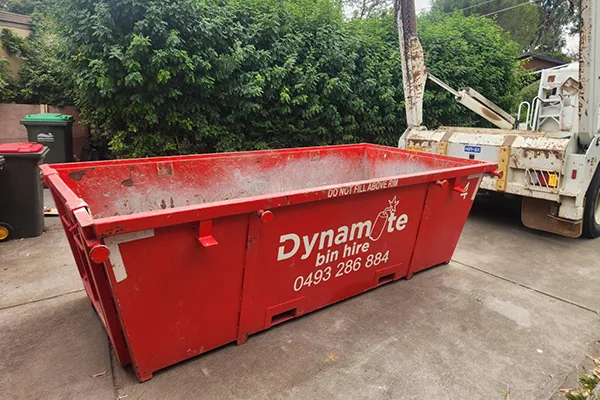
2–3m³ (Mini Skip): Perfect for small jobs — a single-room clean-out, garden waste after a weekend of pruning, or clearing out a shed. Think a handful of cubic metres, roughly enough for a small trailer load or two.
4–6m³ (Medium Skip): The go-to for kitchen or bathroom renovations, larger garden clean-ups, or clearing out a two-car garage. This size handles most household decluttering projects without overshooting your budget.
8–10m³ (Large Skip): Suited to full home renovations, deceased estate clean-outs, or small commercial fit-outs. If you're pulling out flooring, cabinetry, and old furniture all at once, this is usually the size that saves you from ordering a second bin halfway through.
10m³+ (Heavy-Duty/Commercial): Reserved for construction and demolition waste — bricks, concrete, tiles — where weight matters more than volume. These bins are built to handle dense material safely.
If you're ever unsure, it's worth calling your provider and describing the job in detail rather than guessing. Most experienced operators can size a bin correctly just from a quick conversation.
What You Can (and Can't) Put in a Skip Bin
This trips a lot of first-time hirers up. General waste bins are typically fine for:
- Household junk and old furniture
- Garden green waste (branches, leaves, soil in small amounts)
- Timber, cardboard, and general construction offcuts
- Non-hazardous renovation debris like tiles and plasterboard
What usually can't go in a standard skip bin:
- Asbestos (requires a specialised, licensed removal process)
- Tyres and batteries
- Paint, chemicals, and other liquids
- E-waste like old TVs, computers, and appliances
- Gas bottles or anything pressurised
Under Victorian EPA regulations, hazardous materials need dedicated disposal pathways — so if you're not sure what category something falls into, it's always worth asking your bin hire provider before you toss it in.
Getting Bin Placement Right
Airport West has a mix of wide suburban driveways and some tighter, older streets, so placement matters more than people expect. A few things to sort out before delivery day:
- Check for council permits. If the bin needs to sit on the nature strip or footpath rather than your driveway, most local councils require a permit. Your bin hire company can usually advise or arrange this for you.
- Clear the drop zone. Make sure the delivery truck has a straight run to place the bin — move cars, trim overhanging branches, and clear obstacles beforehand.
- Think about loading access. Position the bin somewhere you can easily walk waste to, rather than tucked away where you'll be carrying heavy items an extra twenty metres.
How Long Can You Keep a Skip Bin?
Most providers offer flexible hire periods, from a few days for a quick clean-out to a couple of weeks for larger renovations. It's worth discussing your expected timeline upfront rather than assuming — renovation projects have a habit of running longer than planned, and it's much easier to extend a hire period than to arrange an urgent early pickup.
Pricing: What Actually Affects the Cost
A few factors influence what you'll pay for skip bin hire in Airport West:
- Bin size — larger bins cost more but are often cheaper per cubic metre than hiring two smaller bins.
- Waste type — heavier materials like concrete or soil are usually charged differently to general waste due to landfill levy costs.
- Hire duration — longer hire periods may cost more, though many companies build in a standard week or two as part of the base price.
- Location and access — trickier deliveries or long carry distances can occasionally affect pricing.
Getting a clear, itemised quote upfront avoids any surprises when the invoice lands.
Why Professional Disposal Matters
It's tempting to think a skip bin's job ends the moment it's collected, but what happens afterwards is arguably just as important. Reputable providers sort recyclable materials — timber, metal, green waste — separately from general landfill waste, which significantly reduces the environmental footprint of your clean-out. When you're comparing providers, it's worth asking directly how they handle sorting and recycling rather than assuming it's standard practice.
Final Thoughts
Skip bin hire in Airport West doesn't need to be complicated, but a little planning goes a long way. Get the size right, know what you can and can't throw in, sort your council permit if you need one, and have a rough idea of your timeline before you book. Do that, and the whole process becomes exactly what it should be: one less thing to worry about while you get on with the actual job — whether that's a renovation, a clean-out, or finally tackling that garage.