
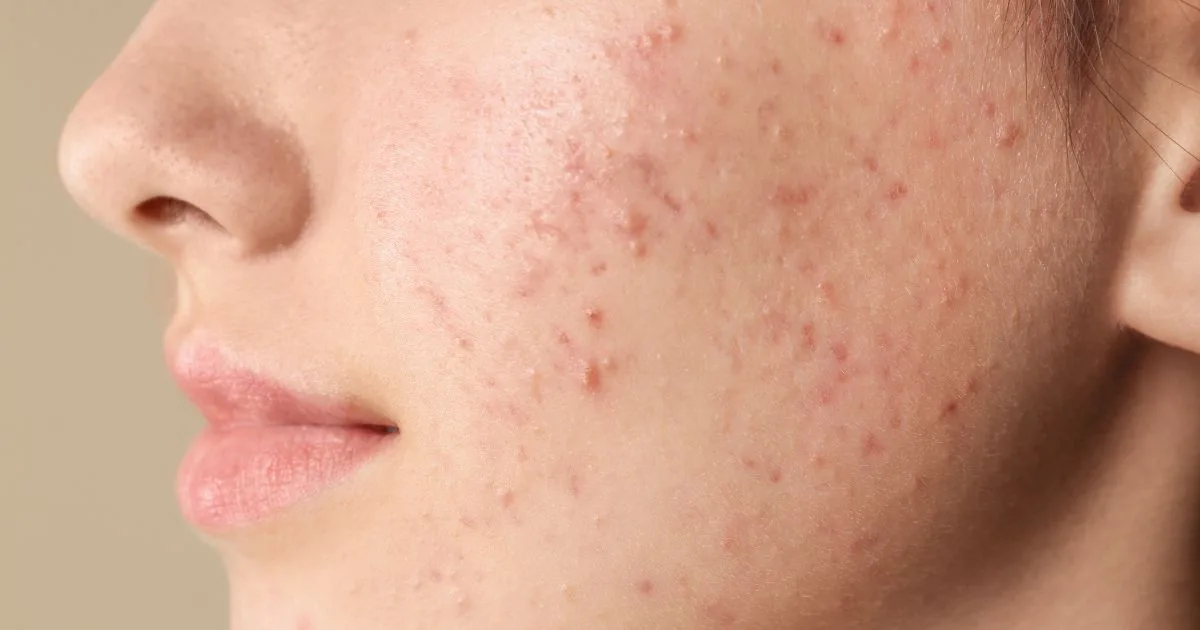
Skin infections occur when bacteria, viruses, fungi, or parasites invade the skin and trigger inflammation, redness, swelling, pain, or rash. The skin serves as the body's largest protective barrier. Cuts, insect bites, burns, eczema, and weakened immunity increase the risk of infection by allowing microorganisms to enter the deeper layers of the skin.
Skin rashes may develop because of infections, allergies, autoimmune disorders, or environmental irritants. Accurate diagnosis identifies the underlying cause and determines the appropriate treatment. Early medical evaluation reduces the risk of complications such as cellulitis, abscess formation, or widespread infection.
According to the World Health Organization, skin diseases affect more than 1.8 billion people worldwide, making skin disorders one of the most common health conditions across all age groups.
What Is a Skin Infection?
A skin infection is the invasion and multiplication of harmful microorganisms within the skin or underlying soft tissue.
Healthy skin prevents microorganisms from entering the body. When the skin barrier becomes damaged, pathogens multiply and produce inflammation, pain, warmth, swelling, and visible skin changes.
Healthcare providers classify skin infections according to the type of microorganism responsible.
Bacterial Skin Infections
Bacterial infections commonly affect the outer and deeper layers of the skin.
Examples include:
- Cellulitis
- Impetigo
- Folliculitis
- Abscesses
- Boils
The most common bacteria include Staphylococcus aureus and Streptococcus pyogenes.
Viral Skin Infections
Viruses can cause skin lesions, blisters, or widespread rashes depending on the virus.
Examples include:
- Herpes simplex
- Herpes zoster (shingles)
- Molluscum contagiosum
- Viral warts
Fungal Skin Infections
Fungi grow in warm, moist areas of the body and commonly affect the skin, nails, and scalp.
Examples include:
- Ringworm
- Athlete's foot
- Jock itch
- Cutaneous candidiasis
Parasitic Skin Infections
Parasites burrow into or live on the skin surface and produce intense itching and irritation.
Examples include:
- Scabies
- Head lice
- Body lice
What Is a Skin Rash?
A skin rash is a visible change in skin color, texture, or appearance caused by inflammation, infection, allergy, or chronic skin disease.
A rash may appear suddenly or develop gradually. Some rashes remain localized, while others spread across multiple body regions.
Common characteristics include:
- Redness
- Itching
- Swelling
- Dryness
- Scaling
- Blisters
- Crusting
- Raised bumps
- Peeling skin
Skin rashes differ in size, shape, color, and duration depending on the underlying condition.
What Are the Symptoms of Skin Infection?
Redness, warmth, pain, swelling, and drainage are the primary symptoms of an active skin infection.
Symptoms vary according to the depth of infection and the responsible microorganism.
Common signs include:
- Red or discolored skin
- Localized swelling
- Warm skin over the affected area
- Tenderness or pain
- Pus or fluid drainage
- Blisters
- Open sores
- Fever
- Swollen lymph nodes
- Fatigue
Severe bacterial infections may produce rapidly spreading redness and increasing pain within 24 to 48 hours.
What Causes Skin Infections and Skin Rashes?
Microorganisms, allergic reactions, immune disorders, and environmental exposures are the leading causes of skin infections and rashes.
Common causes include:
- Bacterial infections, for example cellulitis and impetigo.
- Viral infections, for example shingles and herpes simplex.
- Fungal infections, for example ringworm and athlete's foot.
- Allergic contact dermatitis caused by cosmetics, nickel, or poison ivy.
- Irritant contact dermatitis caused by detergents or cleaning chemicals.
- Autoimmune disorders, for example psoriasis and lupus.
- Insect bites, for example mosquito bites and tick bites.
- Chronic skin conditions, for example eczema and seborrheic dermatitis.
Each condition produces a distinct pattern of inflammation that guides diagnosis and treatment.
How Are Skin Infections Diagnosed?
Diagnosis combines a physical examination, symptom history, and laboratory testing when necessary.
Healthcare providers evaluate the appearance, location, size, and progression of the affected skin. Most uncomplicated skin infections are diagnosed through clinical examination alone.
Additional diagnostic methods include:
- Skin swab culture
- Fungal microscopy
- Skin biopsy
- Blood tests for severe infections
- Allergy testing for recurrent rashes
- Dermatoscopic examination
These diagnostic tools identify the underlying cause and help distinguish infectious skin diseases from allergic or autoimmune conditions.
How Are Skin Infections and Skin Rashes Treated?
Skin treatment targets the underlying cause, reduces inflammation, controls infection, relieves symptoms, and restores the skin barrier.
Treatment varies according to the type of infection, severity of symptoms, and affected area. Bacterial infections require antibacterial therapy, fungal infections respond to antifungal medications, and viral infections may require antiviral treatment. Allergic and inflammatory skin rashes often improve with anti-inflammatory medications and avoidance of the triggering substance.
Medications Used for Skin Treatment
Prescription and over-the-counter medications control infection and reduce inflammation based on the confirmed diagnosis.
Common treatment options include:
- Topical antibiotics, for example mupirocin for localized bacterial infections
- Oral antibiotics, for example cephalexin or doxycycline for cellulitis and widespread bacterial infections
- Topical antifungal creams, for example clotrimazole and terbinafine for ringworm and athlete's foot
- Oral antifungal medications for extensive fungal infections
- Antiviral medications, for example acyclovir and valacyclovir for herpes infections and shingles
- Topical corticosteroids for allergic dermatitis and inflammatory skin conditions
- Oral antihistamines to reduce itching associated with allergic skin rashes
- Moisturizers and barrier repair creams to restore the skin's protective layer
Healthcare providers prescribe medications according to the diagnosis, patient age, infection severity, and medical history.
Home Care for Mild Skin Conditions
Proper skin care supports healing and reduces irritation during recovery.
Recommended home care measures include:
- Wash the affected area with mild soap and clean water.
- Keep infected skin clean and dry.
- Apply prescribed topical medications as directed.
- Avoid scratching or picking at skin lesions.
- Cover draining wounds with sterile dressings.
- Wash hands before and after touching the affected area.
- Avoid sharing towels, razors, clothing, or personal hygiene products.
- Wear breathable cotton clothing to reduce moisture buildup.
These measures help limit the spread of infection and promote skin healing.
How Can Skin Infections Be Prevented?
Preventive measures reduce exposure to harmful microorganisms and protect the skin barrier from damage.
Daily preventive practices include:
- Wash hands regularly with soap and water.
- Clean cuts, scrapes, and insect bites promptly.
- Keep wounds covered until healed.
- Avoid sharing personal care items.
- Maintain healthy skin hydration with fragrance-free moisturizers.
- Wear protective footwear in public locker rooms and swimming pools.
- Control chronic skin conditions such as eczema.
- Practice good personal hygiene after sports and physical activity.
Consistent preventive habits lower the risk of bacterial, fungal, viral, and parasitic skin infections.
What Complications Can Occur?
Untreated skin infections may spread to deeper tissues or enter the bloodstream.
Potential complications include:
- Cellulitis
- Skin abscess
- Lymphangitis
- Sepsis
- Permanent scarring
- Recurrent skin infections
- Tissue damage
- Delayed wound healing
Prompt diagnosis and appropriate treatment reduce the likelihood of these complications.
When Should You Seek Medical Attention?
Medical evaluation is necessary when symptoms worsen, spread rapidly, or are accompanied by systemic illness.
Seek medical care if you experience:
- Rapidly expanding redness or swelling
- Severe pain around the affected skin
- Fever of 100.4°F (38°C) or higher
- Pus or foul-smelling drainage
- Large blisters or widespread rash
- Red streaks extending from the infected area
- Rash involving the eyes, mouth, or genital area
- Skin infection that does not improve after several days of treatment
- Recurrent infections despite appropriate hygiene
At American Urgent Care, healthcare providers diagnose skin infections, evaluate skin rashes, prescribe appropriate treatment, and provide prompt care to reduce discomfort and support recovery.
Conclusion
Early identification of skin infection symptoms and accurate diagnosis improve treatment outcomes and reduce complications. Bacterial, viral, fungal, and parasitic infections require different treatment approaches, whereas allergic and inflammatory skin rashes benefit from targeted anti-inflammatory therapy and avoidance of triggers. Maintaining healthy skin, practicing proper hygiene, treating wounds promptly, and seeking medical evaluation for persistent or severe symptoms help preserve skin health and reduce the risk of recurrent infections.
Frequently Asked Questions
1. What is the difference between a skin infection and a skin rash?
A skin infection results from bacteria, viruses, fungi, or parasites invading the skin, while a skin rash is a visible skin change caused by infection, allergy, irritation, autoimmune disease, or inflammation.
2. How can I tell if a skin infection is bacterial or fungal?
Bacterial infections commonly produce redness, warmth, swelling, pain, and pus, whereas fungal infections often cause circular, itchy, scaly patches with well-defined borders. Laboratory testing confirms the diagnosis when clinical findings are uncertain.
3. Why do skin rashes itch?
Inflammation activates nerve endings within the skin, producing itching, irritation, and discomfort. Allergic reactions, eczema, fungal infections, and contact dermatitis commonly trigger this response.
4. How long does a skin infection take to heal?
Mild skin infections often improve within 7 to 14 days with appropriate treatment, while deeper or more extensive infections may require several weeks of therapy. Recovery depends on the type of infection, severity, and overall health.
5. What treatments help relieve skin rashes?
Treatment depends on the underlying cause and may include topical corticosteroids, antihistamines, antifungal creams, antiviral medications, antibiotics, moisturizers, and avoidance of known irritants or allergens.