
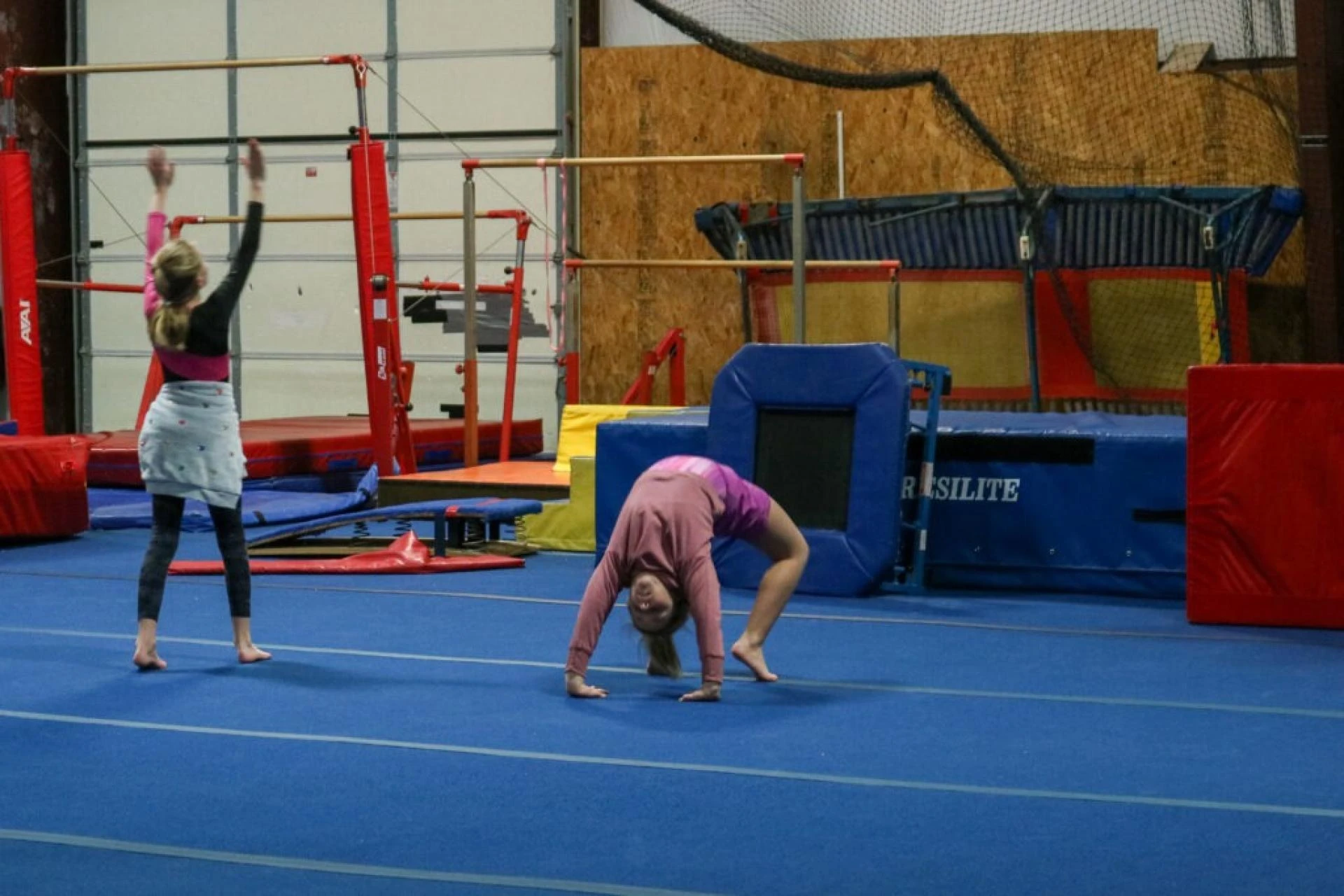
Mastering a handstand is one of the most rewarding achievements in gymnastics. Whether you're stepping into an open gym gymnastics session for the first time or fine-tuning your skills as part of advanced gymnastics training, learning how to do a handstand correctly builds strength, control, and confidence. At A Flip Zone, we teach handstands from the ground up—literally—ensuring every athlete has a solid foundation to build upon.
In this blog, we’ll break down our approach to teaching handstands, from beginner-friendly techniques to advanced tips for perfecting form and balance. Let’s flip into it!
Why Handstands Matter in Open Gym Gymnastics
Handstands are more than just a cool trick—they are a fundamental skill in gymnastics. They build upper body strength, improve coordination, and form the base for many other skills like walkovers, handsprings, and tumbling passes. At our open gym gymnastics sessions, we emphasize handstands as a cornerstone of progression.
Even for participants in advanced gymnastics, refining handstand technique can lead to improvements in more complex moves. Whether you’re a recreational gymnast or a competitive athlete, mastering the handstand can elevate your entire skill set.
Step 1: Building Strength and Awareness
Before flipping upside down, we focus on building the necessary muscle groups. This involves a combination of core workouts, shoulder conditioning, and wrist mobility exercises.
Actionable Tips:
- Wall Planks: Practice holding a plank with feet elevated against a wall to build shoulder endurance.
- Hollow Body Holds: Strengthen your core, an essential part of controlling a handstand.
- Wrist Circles and Flexes: Prepare your wrists for weight-bearing activity to prevent injury.
We incorporate these exercises into warm-ups during both beginner and advanced gymnastics classes to build strength gradually and safely.
Step 2: Hand Placement and Body Alignment
Once the strength foundation is set, we teach proper hand placement. Hands should be shoulder-width apart, fingers spread wide for stability, and weight distributed evenly.
Key Alignment Focus Points:
- Wrists stacked under shoulders
- Hips aligned over the shoulders
- Toes pointed and legs together
- Core engaged throughout
We often use visual markers or floor lines in our open gym gymnastics space to help gymnasts understand their body positioning.
Step 3: Wall-Assisted Handstands
Wall-assisted drills are a crucial step in teaching handstands from the ground up. They help students feel what it’s like to be upside down while offering the support they need.
Progressions We Use:
- Back to Wall: Kick up into a handstand with your back against the wall to feel vertical alignment.
- Belly to Wall: Walk feet up the wall, facing inward, to promote better body position and core engagement.
- Taps and Holds: Practice lifting feet off the wall for short holds to build balance confidence.
These drills are standard in both open gym gymnastics sessions and advanced classes, providing a low-pressure environment to improve.
Step 4: Balance and Control Techniques
Once athletes are comfortable with wall support, we move on to freestanding handstands. This is where the fun—and the real challenge—begins.
Balance Techniques We Teach:
- Finger Pressure Control: Using finger pressure to make micro-adjustments for balance.
- Leg Position Variations: Split-leg entries can help beginners find balance before moving to full straight-body holds.
- Spotting Practice: Coaches spot athletes to guide proper positioning and offer support during early attempts.
In our advanced gymnastics programs, athletes refine these skills with additional drills like handstand walking and pirouettes.
Step 5: Frequent Practice and Patience
Learning handstands takes consistent effort. Our open gym gymnastics sessions allow for self-paced practice in a supportive environment. For advanced students, repetition helps polish form and increase endurance.
Practice Tips:
- Record videos of your handstands to review form.
- Set short, achievable goals (e.g., hold for 3 seconds, then 5).
- Practice daily, but keep sessions short to avoid fatigue.
- We always remind our gymnasts: progress is progress, no matter how small.
Creating a Supportive Learning Environment
At A Flip Zone, we believe in positive reinforcement and individualized instruction. Whether you’re attending open gym gymnastics for the first time or preparing for a competition in our advanced gymnastics program, our coaching staff tailors the experience to your needs.
We foster a fun, judgment-free zone where learning new skills like handstands feels exciting, not intimidating. Our open gym setup encourages exploration, while structured classes provide clear guidance.
Conclusion
Learning to do a handstand from the ground up is a journey—one that strengthens your body, sharpens your focus, and builds your confidence. Whether you're practicing during open gym gymnastics or pushing boundaries in advanced gymnastics, the skills you develop through handstand training pay off in countless ways.
At A Flip Zone, we’re passionate about helping every athlete reach their full potential, one skill at a time. So don’t just dream of handstands—let us help you stand tall on your hands, with confidence and control.
Ready to master your handstand?
Join one of our open gym gymnastics sessions or enroll in our advanced gymnastics programs today. Let’s turn your world upside down—in the best way!