At ACTIVALPINE, we understand that winter enthusiasts often face a choice between different styles of skiing, each offering unique thrills and challenges. Two of the most popular and exciting disciplines today are ski touring and ski freeride. While both take you off the beaten path, they offer quite distinct experiences. Whether you’re just getting started or looking to expand your skills, knowing the difference can help you find the perfect fit for your next alpine adventure.
Exploring Ski Touring: The Journey Is the Reward
It is all about exploration and self-sufficiency. Unlike resort skiing, where you rely on lifts and marked trails, it combines uphill climbs and downhill skiing in untracked terrain. Skiers use special bindings that allow their heels to lift for walking uphill, paired with climbing skins under the skis for grip.
This form of skiing offers a full-body workout and a unique connection with nature. You decide the route, pace, and goals, whether it’s a gentle ascent to a scenic viewpoint or a challenging summit climb.
Key benefits:
Freedom: You’re not limited to resort boundaries or lift schedules.
Exercise: The uphill climb builds strength and endurance.
Adventure: It takes you to remote areas less frequented by others.
Scenery: You can enjoy untouched landscapes and serene winter wilderness.
That said, it demands good fitness levels, knowledge of avalanche safety, and navigation skills. Preparation is crucial — the mountain can be unpredictable, and self-reliance is part of the experience.
What Is Ski Freeride? Thrills in Untamed Snow
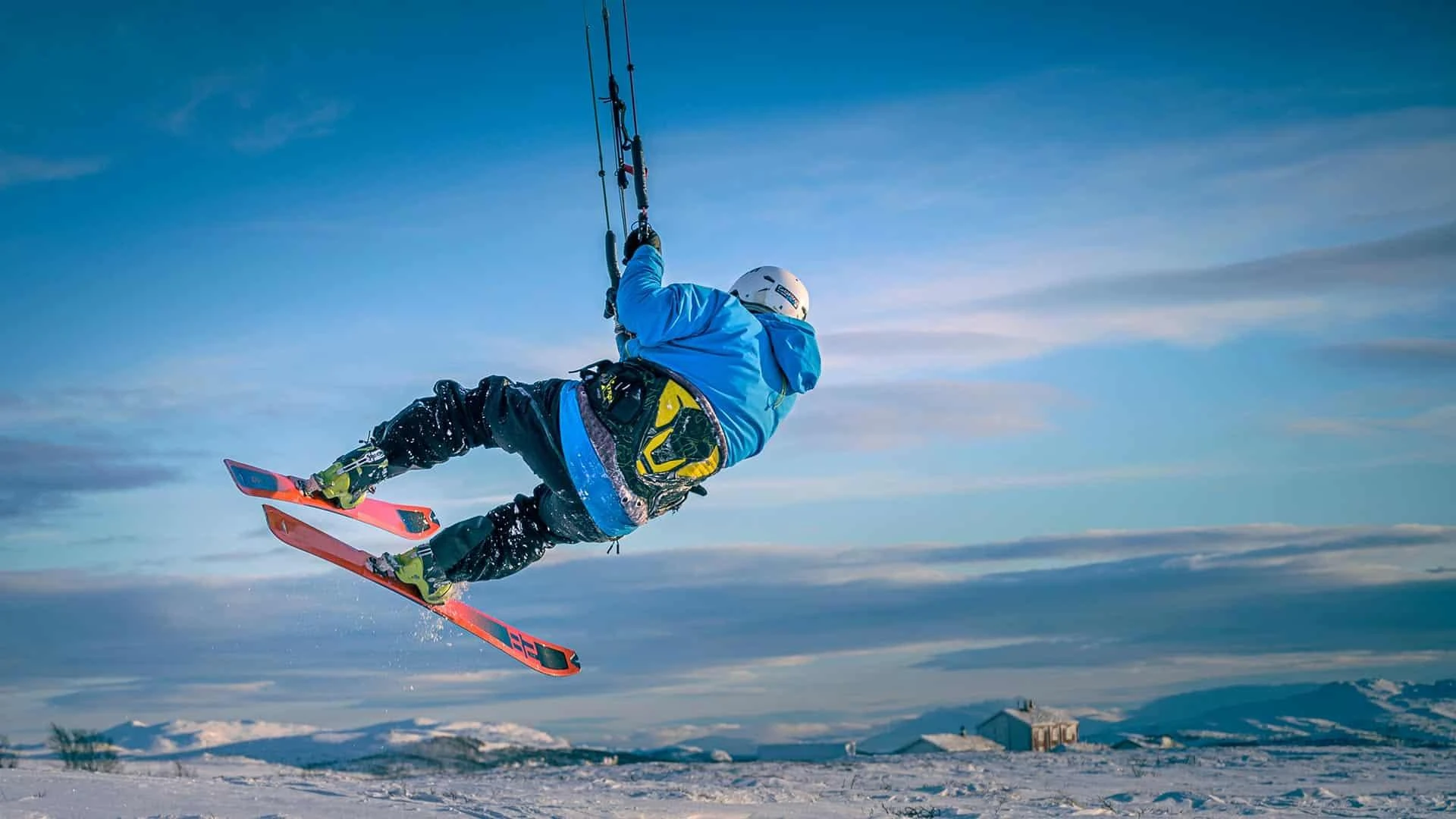
On the other hand, ski freeride is about descending natural, often steep and challenging terrain outside groomed pistes. Think of it as off-piste skiing with a focus on style, control, and carving through deep powder or varied snow conditions.
Freeride skiing is more about adrenaline and technical skill on the descent rather than the journey uphill. Skiers often use wider, more robust skis designed to float on powder and maintain stability on uneven snow.
Highlights of ski freeride include:
Adrenaline: The thrill of navigating steep slopes, cliffs, and natural obstacles.
Skill: Requires excellent control, balance, and the ability to read snow conditions.
Equipment: Skis are designed to handle powder and variable terrain.
Community: Freeride has a passionate following, often involving competitions and media coverage.
Freeride skiing typically involves accessing terrain by lifts or hiking a short distance, focusing energy on the descent. Safety remains a priority with avalanche gear and route knowledge essential.
Equipment Differences: What You Need for Each
The gear you choose plays a significant role in shaping your experience. For touring, lightweight equipment is essential. Touring skis are generally lighter, with bindings that switch between “walk” and “ski” modes. Climbing skins help with uphill traction, and boots are designed for flexibility and comfort during climbs.
In contrast, freeride equipment prioritizes durability and performance for aggressive descents. Freeride skis tend to be wider and heavier, allowing better floatation in powder. Bindings and boots are built to provide maximum control and responsiveness at high speeds and on challenging terrain.
Choosing the right gear is crucial for safety and enjoyment. At ACTIVALPINE, we recommend consulting experts to find the perfect balance based on your style and the conditions you plan to encounter.
Safety First: Essential Considerations for Both
No matter which path you choose, safety should always come first. Both styles expose skiers to risks like avalanches, sudden weather changes, and remote locations.
Investing in avalanche transceivers, probes, and shovels is vital for backcountry adventures. Carrying a GPS or map, dressing in layers, and checking weather reports before heading out will improve safety.
Moreover, taking avalanche training and first aid courses can be lifesaving. Sharing your route plans with others and skiing with a partner is also strongly advised.
At ACTIVALPINE, we encourage all our customers to prioritize safety alongside fun and adventure.
Environmental Impact and Respecting Nature
Ski touring and freeride skiing both allow you to enjoy pristine mountain environments. However, with access to less frequented areas comes the responsibility to respect nature.
Minimize your environmental footprint by sticking to durable routes, avoiding wildlife disturbances, and packing out all waste. Many ski areas have guidelines to preserve fragile alpine ecosystems, so staying informed and responsible is key.
Embracing the outdoors means protecting it for future generations, and we are proud to support sustainable skiing practices.
Conclusion
Both ski touring and ski freeride provide incredible ways to experience the mountains beyond traditional pistes. Touring focuses on endurance, exploration, and self-reliance, while freeride delivers adrenaline, skill, and dynamic terrain challenges.
At ACTIVALPINE, we’re passionate about helping you discover your perfect alpine experience. Whether you’re drawn to the peaceful journey of touring or the exhilarating rush of freeride, we’re here to support your passion for the mountains every season.
For more information about our services, please visit our website: www.activalpine.com