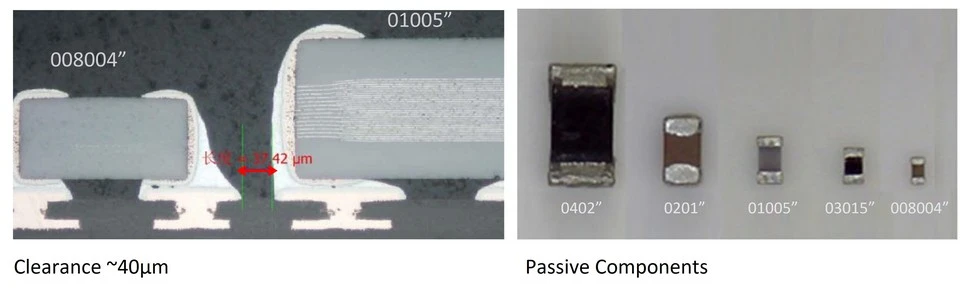
SiP technology is increasingly taking center-stage in the development of automotive electronics as the automobile is becoming more electrified, connected, and intelligent. System in Package(SiP) technology allows a combination of various electronic parts, including integrated circuits, passive and sensors, into one small package. This is a high degree of integration that is assisting the automotive manufacturers in responding to the increasing performance, reliability, and space needs.
The space and weight are the important elements of design in the contemporary automotive electronics. SiP technology promotes the compact design of systems by incorporating various functions into a single package thereby saving a lot of space on the electronic modules. Such miniaturization enables the engineers to move the electronic systems near where they are required thereby enhancing the signal integrity and minimizing the power losses. Consequently, the SiP technology is part of more efficient and responsive automotive electronic system.
Another important way through which SiP technology has been adding value is on thermal performance. Car conditions are characterized by large temperature variations and 24-hour working conditions that are demanding. The advanced SiPs are designed with optimized layouts, enhanced thermal interfaces, and high performance packaging materials which increase heat dissipation. Thermal control assists in ensuring the stability of operations and increases the life of automotive electronic parts.
One of the fundamental automotive electronic needs is reliability and the SiP technology facilitates this by minimizing interconnections and enhancing mechanical durability. The number of discrete components and solder joints is less, and this implies that there are fewer possible failure points, which is a necessity in satisfying stringent automotive reliability requirements. Vibration, thermal cycling are also issues that are enhanced by SiP technology which is used in the vehicle industry.
The SiP technology provides more capability to the automotive electronics systems through the provision of processing, power management, sensing, and communication capabilities. Such integration is specifically useful in the case of electric vehicles, advanced-driving-assistance systems (ADAS) and infotainment platforms, where a variety of electronic functions need to work in harmony with one another.
Regarding manufacturing, the SiP technology has the advantage of scalability and design flexibility. Modular SiP solutions enable automotive manufacturers to have a common platform but customize its performance to suit the various types of vehicles. This saves time and cost of development and at the same time, quality is maintained across production volumes.
The purpose of SiP technology will continue to grow in the automotive industry as it moves towards electrification and intelligent mobility. Constant advancement of materials, packaging and integration process will also help increase the performance and reliability of automotive electronics.
USI Global’s Role in Advancing SiP Technology
The USI Global aids in the development of the SiP technology in form of advanced electronics manufacturing, high density packaging, and system integration solutions in automotive electronics. Having the experience in the production of automotive grade components and precision assemblies, the USI Global assists the customers in creating small, reliable and scalable SiP solutions to meet the needs of next generation cars.
To sum up, the SiP technology is becoming one of the enablers of the modern automotive electronics. SiP technology is defining the future of automotive innovation and enabling the shift to smarter and more sustainable mobility by providing greater integration, greater reliability, and effective system design.