Learn technical skills and stay calm under stress to complete the CDL application process. The discussion focuses on determining which method between actual highway experience and commercial truck driving simulator training produces superior results for CDL candidates. The answer reveals that both training methods provide essential benefits although they serve different educational purposes. The following analysis provides you with essential information to create an optimal training schedule.
What On-Road Time Delivers
Real truck operation delivers the most realistic driving experience to truck operators. Students learn their basic driving instincts by experiencing actual traffic conditions and wind resistance and trailer movements and road surface changes and heavy load operations.
The process of driving on public roads helps students develop their ability to handle traffic by teaching them how to merge correctly and predict other drivers' actions and understand traffic signals and driving intervals and learn to handle stressful situations during driving.
Where Simulators Shine
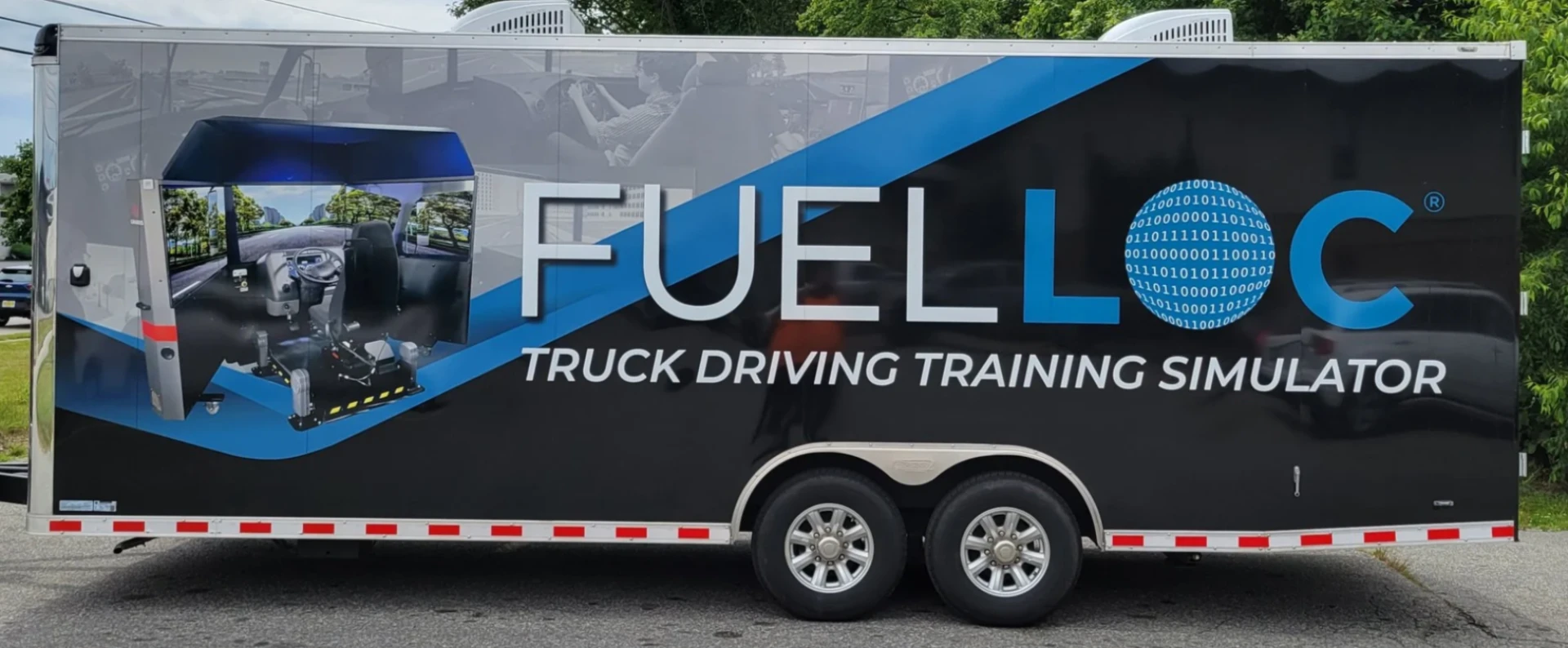
A high-quality simulator enables to learn multiple weeks' worth of experience through a short period of time. The training system helps instructors to create multiple scenarios including alley dock and offset backs and tight turns and hill starts and emergency stops without wasting fuel or damaging equipment.
The simulator provides instant feedback about your clutch control and braking technique and mirror checks and speed management so you can then immediately return to practice your mistakes while they remain fresh in your mind.
Head-to-Head: Which Is “More Effective”?
1. Provides superior training for precise movements including backing and docking and space management because it offers repeated practice with focused instruction.
2. Helps drivers identify potential dangers but they need to learn defensive driving through real-world road experience. The two training methods provide equal effectiveness because they work together to achieve the best results.
3. The experience of driving a vehicle becomes most apparent when students drive on public roads because they feel the effects of traction and trailer movement and grade resistance and crosswind forces. On-road training provides the best experience for developing vehicle handling skills because it delivers essential feedback through the seat and wheel.
4. The Simulator provides excellent training for developing stress management skills but on-road experience helps students build their ability to stay calm under pressure.
Choosing the Right Simulator
A simulator requires three essential features to operate like a real vehicle by mimicking clutch operation & torque production, trailer motion while providing CDL training content and teaching tools & monitoring systems for instructors. The simulator features enable students to track their development through measurable results.
The evaluation between simulator training and on-road training does not solve the core problem. The commercial truck driving simulator helps learn safely and quickly while on-road experience helps them develop actual driving skills and fulfill state requirements. Drivers who receive simulator training followed by on-road experience can obtain their licenses more quickly while the system reduces training costs and produces safer drivers who can begin working right away.