When comparing Silicone Roof Coating vs Acrylic Roof Coating, silicone comes out ahead for flat or low-slope roofs prone to standing water, while acrylic offers a cost-effective reflective choice for well-drained roofs in dry climates. Silicone forms a non-porous moisture barrier that withstands ponding water without breaking down. Acrylic coatings provide solar reflectivity and easy application at a lower initial cost, but they degrade quickly when exposed to standing water.
Choosing between these liquid roofing materials depends on your structural slope, regional weather patterns, and long-term maintenance plans. Roofing specialists evaluate structural design and environmental stress factors to determine which protective layer extends roof life most effectively. Understanding how these two formulas differ gives building owners the clarity needed to make a smart investment.
Which Roof Coating Material Performs Best Under Extreme Weather?
Extreme weather pushes liquid roofing materials to their limits. Heat, hail, rain, and rapid temperature shifts affect each formulation differently over time.
Industry testing demonstrates that reflective elastomeric coatings can reduce roof surface temperatures by up to 50 degrees Fahrenheit during peak summer heat. However, the chemical makeup of each material dictates how it handles moisture and temperature fluctuations.
- Silicone performance: Maintains flexibility across freezing temperatures and intense heat without cracking. It resists standing water indefinitely because it cures into a solid rubberized membrane.
- Acrylic performance: Offers solar reflectance when fresh, shedding heat efficiently. However, it relies on water evaporation to cure, making it sensitive to humidity and sudden rainfall during application.
- Thermal expansion: Silicone moves naturally with underlying roof substrates during severe temperature swings without losing adhesion.

Evaluating Long-Term Costs and Performance Profiles
Initial material pricing tells only part of the story. You must weigh upfront expenditures against lifetime maintenance and expected service life.
Selecting the best roof coating options requires comparing long-term durability against initial budget constraints. Acrylic coatings generally cost less per gallon, making them attractive for immediate savings. Silicone requires a higher upfront spend but eliminates the need for frequent re-coating cycles caused by moisture damage.
Performance MetricSilicone Roof CoatingAcrylic Roof CoatingPonding Water ResistanceExcellent (Does not degrade)Poor (Breaks down quickly)UV ResistanceVery High (Sustained reflectivity)High (Fades over time)Material CostHigher initial costLower initial costExpected Service Life15 to 20 years7 to 10 yearsDirt Pick-Up ResistanceModerate (Attracts dust over time)High (Stays cleaner longer)Application Temp Limits35°F to 120°F50°F to 110°FWhile evaluating a Silicone Roof Coating vs Acrylic Roof Coating, factor in labor costs. Applying a single coat of high-solids silicone often delivers the same dry film thickness as two heavy coats of acrylic, saving application time.
- Labor efficiency: High-solids silicone formulations reduce the number of passes required to reach manufacturer mil thickness specifications.
- Re-coating intervals: Acrylic systems require fresh topcoats every seven to ten years to maintain water resistance.
- Substrate protection: Silicone seals seams and hairline fractures more effectively in wet environments.
Key Factors to Evaluate Before Selecting a Coating
Before investing in any restoration project, evaluate specific building traits and environmental conditions to select the correct formula.
- Roof slope and drainage: Flat roofs with drainage issues demand silicone. Roofs with a slope greater than half an inch per foot can safely use acrylic.
- Local climate: Humid regions with heavy rainfall favor moisture-curing silicone. Dry, sunny climates allow acrylic to perform very well.
- Existing substrate: EPDM, TPO, metal, and modified bitumen react differently to solvents. Certain substrates require specific primers before application.
- Roof traffic: Frequent foot traffic for mechanical maintenance requires a durable formula with high tear strength.
Bonus Tip: If you choose silicone, be aware that its surface attracts airborne dirt more easily than acrylic. Installing a topcoat designed for dirt pickup resistance helps maintain solar reflectivity long after application.
As a final consideration, choosing between Silicone Roof Coating and Acrylic Roof Coating involves future coating plans. Once silicone is applied to a roof, only silicone will adhere to it in the future. Acrylic allows more flexibility if you decide to change coating types later.

Application Requirements and Surface Preparation Needs
Surface preparation dictates whether any restored roof system succeeds or fails. Both materials require a clean, dry substrate, but cure processes differ completely.
Professional Roof Coating Services ensure proper power washing, seam reinforcement, and surface dry times before liquid application begins. Acrylic coatings dry through water evaporation, meaning high humidity or cold evening temperatures slow cure times dramatically. Rain shortly after application can wash fresh acrylic directly into rain gutters.
- Silicone curing: Uses ambient humidity to moisture-cure rapidly. It resists rain wash-off within an hour of application.
- Acrylic curing: Requires warm, dry, sunlit conditions to cure. Sudden temperature drops stop the film-forming process.
- Primer needs: Asphalt-based substrates require a bleed-blocking primer to prevent yellow discoloration from showing through white topcoats.
Bonus Tip: Never apply liquid coatings over wet insulation. Use infrared moisture surveys to locate and replace damaged wet insulation blocks prior to applying new protective layers.
With these preparation challenges in mind, when weighing Silicone Roof Coating vs Acrylic Roof Coating, remember that ambient weather during application heavily favors silicone in unpredictable regional climates.
Environmental Impact and Reflectivity Benefits
Both coating types contribute significantly to building energy efficiency by reflecting solar radiation away from interior spaces.
Data shows that applying high-reflectance roof coatings can reduce cooling energy usage by 10 to 30 percent during peak cooling seasons. Lower cooling loads reduce stress on rooftop mechanical equipment, extending equipment lifespans.
- Solvent emissions: Water-based acrylic coatings release minimal volatile organic compounds during application, offering an eco-friendly profile.
- Solvent content: High-solids silicone formulas feature low solvent content while delivering thick protective membranes in a single pass.
- Waste reduction: Coating an existing roof system prevents tear-off waste from reaching municipal landfills.
Deciding between Silicone Roof Coating and Acrylic Roof Coating comes down to whether your primary goal is low VOC emissions during application or long-term moisture defense.
- Urban heat island mitigation: White coatings in both materials reflect up to 85 percent of sunlight into the atmosphere.
- Indoor comfort: Unconditioned warehouse spaces experience lower ambient indoor temperatures following liquid coating installation.
Choosing the Right Coating Strategy for Your Building
Selecting the ideal liquid membrane requires balance between budget limitations, slope geometry, and climate expectations. Silicone provides defense against standing water and long-term weathering, making it the clear choice for flat surfaces. Acrylic delivers an economical cooling solution for well-drained roofs in predictable, warm environments. Evaluate your roof condition, identify standing water zones, and choose the material that delivers maximum protection for your investment.
How to Find Professional Installation Help for Your Project
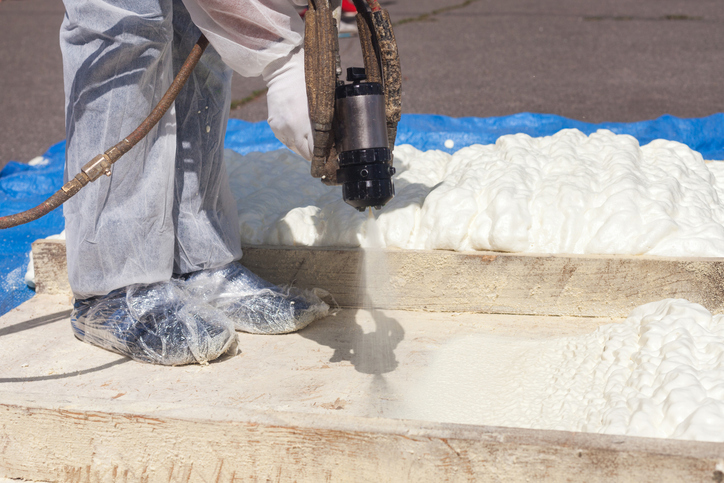
Selecting the right material is only half the battle. Working with an experienced contractor ensures proper surface preparation and reliable performance. For high-quality application services, consider reaching out to Spray Foam Tech. Their team offers expert Roof Coatings and Spray Foam Roofing solutions tailored to your commercial or residential building needs. You can contact them at [email protected] or call (737) 777-9590 to discuss project details and request a free quote for your property today.
Frequently Asked Questions About Roof Coatings
How long does a silicone roof coating last compared to acrylic?
Silicone coatings typically last between 15 to 20 years when properly maintained. Acrylic coatings generally last 7 to 10 years before requiring a fresh topcoat.
Can you apply silicone directly over an old acrylic coating?
Yes, silicone adheres well to clean, fully cured acrylic coatings. However, acrylic will not adhere over an existing silicone layer.
Does ponding water destroy acrylic roof coatings?
Yes, standing water causes acrylic membranes to re-emulsify, blister, and peel away from the roof substrate over short periods.
What temperature range is safe for applying liquid coatings?
Acrylic requires temperatures above 50°F to cure correctly. Silicone can be applied in colder conditions down to 35°F as long as the surface is dry and free of frost.
How do you choose a qualified Roof Coating Company?
Look for a certified Roof Coating Company with proven experience in your specific roof substrate, verifiable warranties, and strong local references.