
When was the last time you thought about what’s inside your walls? If your home feels drafty, noisy, or your energy bills keep climbing, poor wall insulation could be the problem. Many homeowners overlook insulation, especially in older homes—but it plays a critical role in keeping your home comfortable and energy-efficient. Here’s how to spot the signs and what steps you can take to fix it.
Cold Spots or Drafts Along the Walls
Have you ever walked past a wall and felt a chill? That’s more than just an inconvenience—it’s often a sign that air is leaking through poorly insulated walls. Drafts are one of the most common symptoms of failing or missing insulation. They can reduce your comfort during both winter and summer, forcing your heating and cooling system to work harder.
Unusual Temperature Swings Between Rooms
If some rooms are warm while others remain cold, your home likely has inconsistent insulation. Inadequate wall insulation causes uneven temperatures and makes it harder to maintain a comfortable indoor climate. This is especially noticeable in multistory homes or additions where insulation might not match the rest of the house.
Rising Heating and Cooling Bills
Have your energy bills crept up despite using your system as usual? Poor insulation can be a silent drain on your wallet. When walls don’t effectively retain heated or cooled air, your HVAC system runs longer and more frequently to compensate—leading to increased monthly expenses. Insulating your walls is one of the most cost-effective ways to reduce your energy consumption long term.
Walls That Feel Cold to the Touch in Winter
Touch your interior walls on a cold day. Do they feel almost as cold as the outdoors? If so, they may be lacking proper insulation. Well-insulated walls act as a barrier against outside temperatures. Cold walls mean heat is escaping and your home is losing energy efficiency every minute your heater runs.
Moisture or Mold on Interior Walls
Mold growth on walls can be more than just a plumbing issue—it may also result from poor insulation. Without a thermal barrier, condensation can form on cold walls, leading to damp patches and, eventually, mold. This isn’t just a structural problem; it also affects your indoor air quality and poses health risks, especially for those with allergies or asthma.
Excessive Noise from Outdoors or Between Rooms
Are you hearing traffic, barking dogs, or voices from the next room a bit too clearly? Insulation helps more than just temperature—it also dampens sound. Thin or missing insulation in walls allows noise to pass through easily, disturbing your peace and privacy. Improved wall insulation provides soundproofing benefits, creating a quieter and more comfortable environment.
Older Home with No Recent Insulation Upgrade
If your home was built before the 1980s and hasn’t had a recent insulation update, there’s a good chance your walls are under-insulated or even empty. Building standards have evolved significantly over the years, and many older homes fall far short of today’s efficiency expectations. Getting a professional inspection can reveal what’s hidden behind the drywall.
What to Do Next
Schedule an Energy Audit
The first step is to identify the scope of the issue. A professional home energy audit uses infrared cameras and blower door tests to find where insulation is lacking and air is leaking. This diagnostic process helps pinpoint the most urgent areas to improve.
Explore Insulation Options
Not all insulation is the same, and the best type for your walls will depend on your home's construction. Some popular options include:
Blown-in cellulose – Great for retrofits in closed walls.
Spray foam insulation – Excellent air sealing and moisture control.
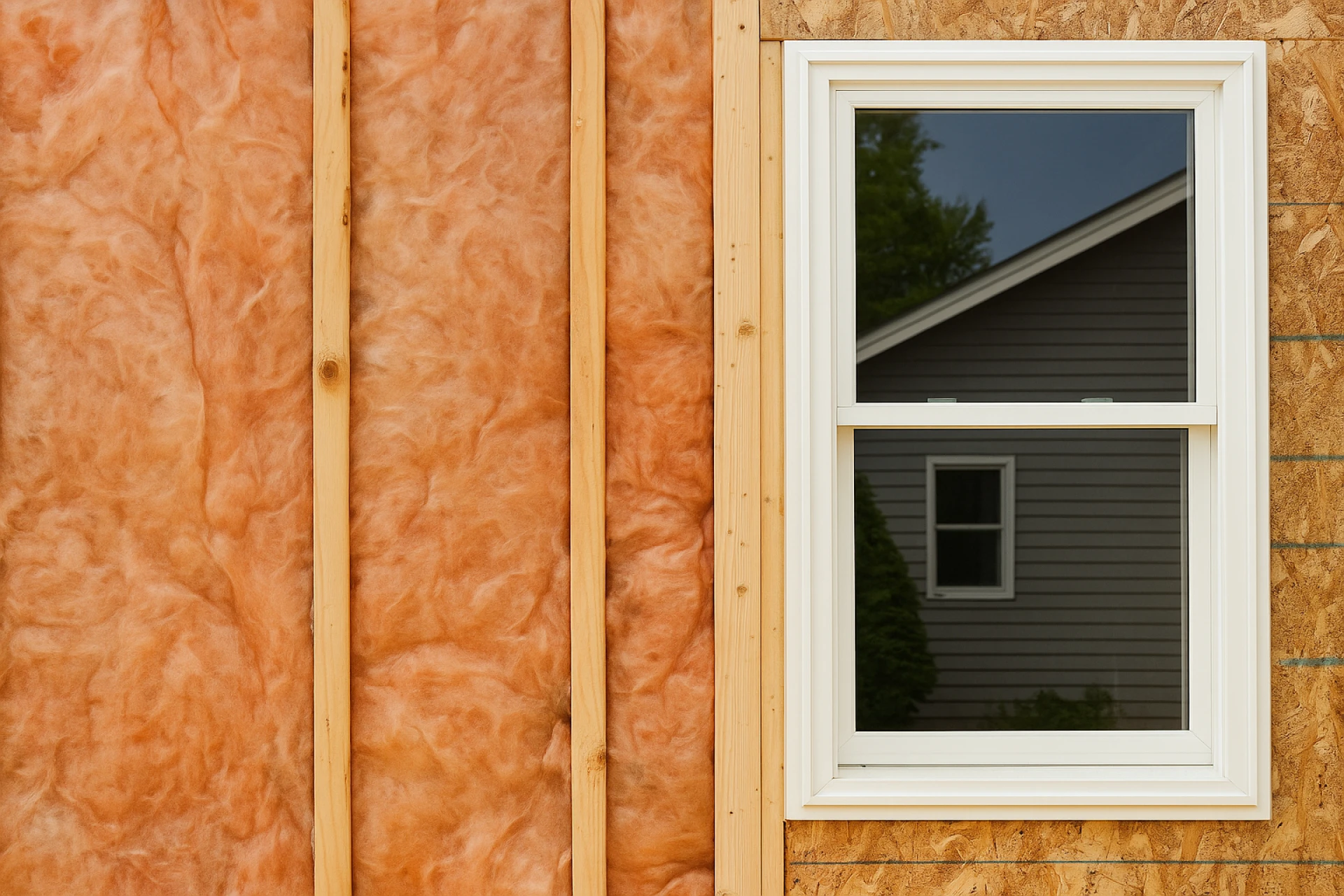
Fiberglass batts – Common in new construction or open-wall renovations.
Each has its pros and cons in terms of cost, R-value, and installation method.
Get a Professional Evaluation and Quote
Installing insulation—especially in walls—is not a typical DIY job. It requires expertise, the right equipment, and sometimes wall access or small openings. Hiring a licensed insulation contractor ensures the job is done safely and effectively. Always get a detailed quote, ask for references, and check for warranties.
Consider Long-Term Benefits
Proper wall insulation is an investment. Beyond the immediate comfort and utility savings, it adds value to your home, reduces strain on your HVAC system, and contributes to a healthier indoor environment. If you plan to sell your home in the future, updated insulation can also be a strong selling point.
Conclusion
If your home feels drafty, noisy, or inefficient, don’t ignore the signs—your walls might be telling you they need attention. Insulation isn’t just for keeping warm in winter or cool in summer—it’s about maintaining a comfortable, healthy, and cost-effective living space year-round.
Think your walls need an upgrade? Get a professional opinion and start improving your home’s performance today.