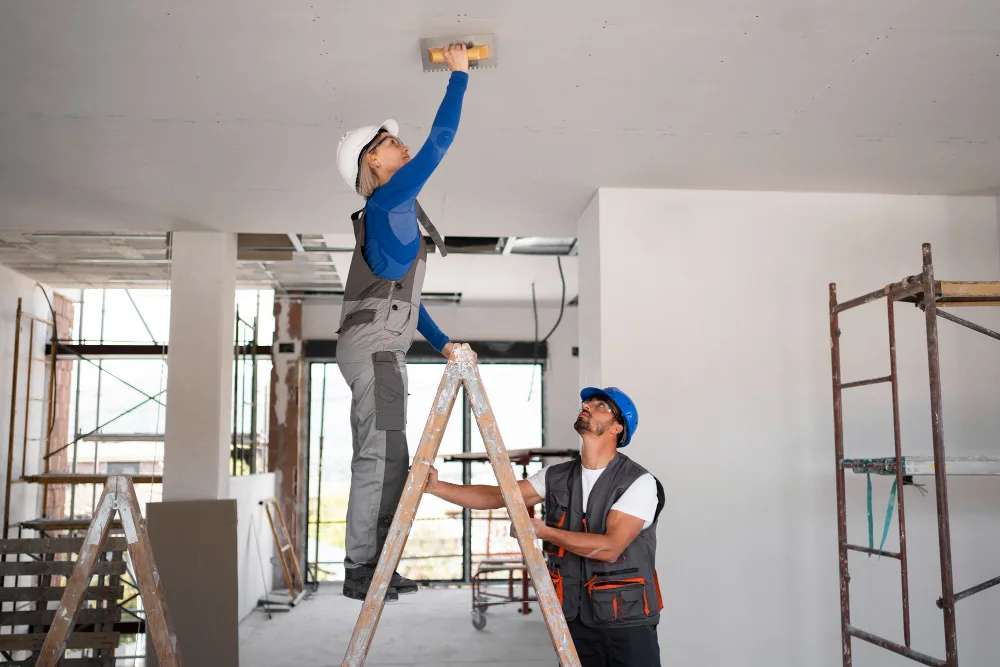
Your house is your haven. Every day, it ought to look its finest. But life does happen. Children play too roughly. Furniture bumps into the walls. Leaks allow moisture to seep in. Your walls begin to reveal their age over time. If you notice cracks or holes, you might need drywall services in Brentwood to fix the damage. Small issues can turn into big problems if you wait too long. A smooth wall makes a room look clean and new. A damaged wall makes the whole house feel messy. You deserve a home that feels solid and safe. Checking your walls for damage is a great way to maintain your property value.
Large Holes and Deep Dents in Walls
Small nail holes are easy to fix. You can usually dab a bit of putty on them yourself. But large holes are a different story. If you can see the wooden studs behind the wall, you have a major issue. These gaps are not just ugly. They let pests, like bugs or mice, hide in your walls. Large holes also mess with your home's insulation. Your heater or air conditioner will have to work much harder. This means your energy bills will go up.
Dents also matter. If a doorknob slams into the wall, it creates a weak spot. The drywall around that spot starts to crumble. You cannot just paint over a hole or a deep dent. The paint will sag or fall through. Professional repair is the only way to restore the surface to flatness. Experts use special patches and tape. They sand it down until you cannot even tell a hole was ever there.
Cracks Running Across the Ceiling or Walls
Have you noticed long lines on your walls? These are cracks. Sometimes they look like thin spider webs. Other times, they look like long jagged lightning bolts. Cracks often happen because a house settles into the ground. This is normal for many homes. However, large cracks can be a sign of structural trouble. If a crack is wider than a coin, do not ignore it.
Cracks usually appear near doors and windows. When you see them, pay attention. Do your doors stick when you try to open them? That is a bad sign. It means the wall is shifting. Applying more paint will not prevent the crack from returning. A pro needs to stabilize the area. They use high-quality mud and tape to bridge the gap. This keeps your home looking sharp and prevents the crack from growing.
Discolored Spots and Bubbling Paint Surfaces
Water is the biggest enemy of drywall. If you see brown or yellow stains, you have a leak. This might come from a leaky pipe or a hole in the roof. Music City Shower experts know that moisture can hide for a long time before you see it. When drywall gets wet, it acts like a sponge. It soaks up the water and gets heavy. Eventually, the wall will start to bulge or bow outward.
You might also see bubbles under your paint. This happens when water traps air against the drywall. Do not just pop the bubbles. The drywall underneath is likely rotting. Soft drywall is dangerous. It can grow mold, which is bad for your health. If you touch the wall and it feels soft or mushy, you must act fast. Professionals will cut out the wet parts. They will replace them with fresh, dry sheets to keep your family safe.
Popping Nails and Uneven Wall Seams
Sometimes, you might see small, round bumps on your walls. These are called nail pops. They happen when the wooden frame of your house shrinks or expands. The wood pushes the nail out of the drywall. It looks like a little pimple on your wall. While they seem small, they are very annoying. If you try to hammer them back in, you might just cause more damage.
Visible seams are another sign of trouble. Drywall comes in large sheets. Pros use tape and mud to hide the lines where the sheets meet. If you can see a straight vertical or horizontal line, the tape is peeling off. This usually happens in rooms with a lot of moisture, like kitchens or bathrooms. It makes the wall look like a puzzle that is falling apart. A repair expert can re-tape the seams. They will smooth them out so the wall looks like one solid piece again.
Conclusion
Believe it or not, your ears can help you find damage. Do you hear creaking or cracking sounds at night? This could be the drywall pulling away from the studs. It might also be a sign of pests eating the paper backing of the drywall. Termites and carpenter ants love the material inside your walls. Good walls should be silent and sturdy. If your walls vibrate when a truck drives by, they might be loose. Loose drywall is a safety hazard. It could fall over and hurt someone. Calling a professional ensures that every sheet is bolted down tight. They check the wall's integrity from top to bottom. Keeping your walls in top shape is a smart move for every homeowner.
FAQs
Q: How can I tell if a wall crack is serious?
A: Wide, jagged, or diagonal cracks often mean your house has serious foundation or structural problems.
Q: Can I just paint over water stains on my drywall?
A: No, you must fix the leak first. Painting over moisture causes mold and peeling paint.
Q: How long does it take to repair a large hole?
A: Repairs usually take two days because the patching material needs plenty of time to dry.
Q: Why are there small bumps appearing on my smooth walls?
A: These are nail pops caused by wood moving. They need new screws to stay flat.