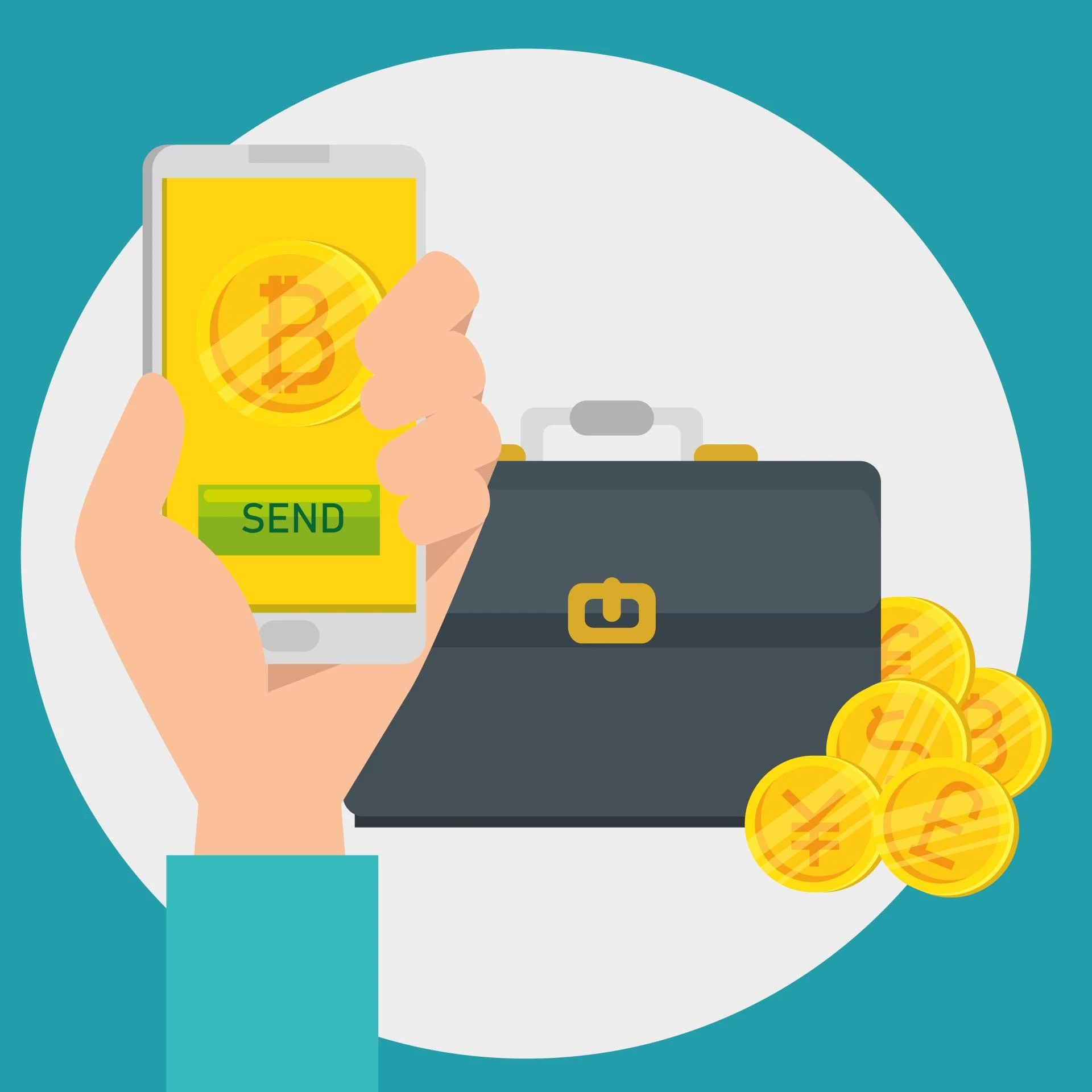
Cryptocurrency gives people full control over their money. There is no bank approval, no long paperwork, and transactions move quickly across borders. But this freedom also creates new risks. This is why scams like the fake crypto wallet freeze are becoming more common today.
Many people are told that their money has been locked because of security reasons or a pending check. It sounds official and serious, so they believe it. In reality, the wallet is fine. The excuse is just there to scare them into making another payment.
Understanding how these scams work can help you avoid losing even more funds. If someone tells you your crypto wallet is frozen, it is important to pause and look carefully at the situation.
What Is a Crypto Wallet Freeze Scam?
A crypto wallet freeze scam happens when a scammer claims your cryptocurrency cannot be withdrawn or accessed unless you complete certain payments or verification steps.
The message often sounds official. It may come from someone pretending to be:
- A crypto exchange representative
- A blockchain security officer
- A recovery agent
- A financial compliance team
- A government authority
They usually say your wallet has been flagged for suspicious activity or requires clearance before withdrawals can continue. The goal is simple: make you worried enough to send more money.
In real cryptocurrency systems, wallets are not frozen in this way by random third parties. Only platforms you actually use can restrict accounts, and even then, they do not ask for payments to unlock funds.
Common Signs the Wallet Freeze Is Fake
Understanding these signs early can protect your money. Here are some warning signs that are commonly seen.
1. You Are Asked to Pay a “Release Fee”
This is the biggest warning sign. Scammers may ask for payments labeled as:
- Gas fees
- Liquidity fees
- Security deposits
- Tax clearance charges
- Wallet activation fees
They promise your funds will be released after payment. But once you send money, a new fee suddenly appears.
Legitimate platforms deduct fees directly from your balance. They do not ask you to send crypto separately to unlock access.
2. The Website Looks Real but Feels Slightly Off
Fake platforms often copy real exchange websites. At first glance, everything looks professional - dashboards, balances, and transaction history.
But small details reveal the truth:
- Strange website addresses
- Spelling mistakes
- Limited customer support options
- No verified company information
- Recently created domains
The displayed balance is usually fake. It exists only to convince you that large profits are waiting.
3. Pressure to Act Quickly
Scammers rely on urgency. They may say:
- “Your wallet will be permanently locked.”
- “You must pay within 24 hours.”
- “Authorities will seize your funds.”
This pressure stops victims from thinking calmly or checking facts. Real financial institutions do not rush users into immediate crypto payments.
4. Communication Happens Only Through Messaging Apps
If all conversations happen through Telegram, WhatsApp, or private chat platforms, be cautious.
Scammers avoid official channels because messages can easily disappear. They may also change usernames or block you once payments stop.
Legitimate exchanges communicate through verified emails, secure dashboards, and official support systems.
5. You Never Opened an Account With the Platform
Many victims are told their funds were transferred into a special trading wallet or investment account they never created.
This usually happens after:
- Romance scams
- Fake investment opportunities
- Social media trading groups
The scammer claims profits were generated, but withdrawals are frozen until fees are paid. Since the platform itself is fake, no withdrawal will ever happen.
6. Requests for Personal Wallet Access
Another danger sign is when someone asks for:
- Private keys
- Recovery phrases
- Wallet passwords
- Remote screen access
No legitimate company will ever request this information. Sharing it gives scammers full control over your crypto instantly.
Why These Scams Work So Well?
Crypto transactions cannot easily be reversed. Once funds are sent, recovery becomes difficult, and scammers know this very well. Unlike bank transfers, there is usually no customer support team that can cancel a transaction after it is confirmed on the blockchain. This gives fraudsters a major advantage.
But technology alone is not the reason these scams succeed. The real reason is psychology. Scammers carefully guide victims through an emotional journey, first building excitement through fake profits and then creating fear when withdrawals suddenly stop working.
This emotional shift makes people act quickly instead of thinking calmly. Many victims also believe they are just one final step away from accessing their money, which makes the requested payment feel justified.
What You Should Do If Your Wallet Is “Frozen”
If you receive such a message, take these steps immediately:
1. Stop sending money.
Do not pay any additional fees, even if promises sound convincing. Doing this can help you avoid fake crypto taxes.
2. Verify through official sources.
Visit the real website of the exchange directly - do not click links sent by strangers.
3. Check the blockchain.
If crypto exists in your personal wallet, it cannot be frozen by outsiders.
4. Cut communication with the sender.
Scammers are trained to keep conversations going until victims run out of funds.
5. Report the incident.
File complaints with cybercrime authorities and the exchange being impersonated.
How to Protect Yourself Going Forward
Simple habits can reduce your risk significantly:
- Never trust guaranteed crypto profits
- Avoid investment advice from strangers online
- Double-check website URLs before logging in
- Keep private keys offline and secure
- Be careful of recovery services asking for upfront fees.
In cryptocurrency, control also means responsibility. A simple habit like verifying information can go a long way in keeping your wallet funds safe.
Conclusion
A real crypto wallet rarely gets frozen without clear reasons and official communication. When someone asks for payments to unlock funds, it is almost always a scam.
The most important rule is simple: if access to your money depends on sending more money, something is wrong.
Scammers depend on urgency and confusion. Awareness breaks that cycle. By recognizing the warning signs early, you can protect yourself and your funds as well as others who may face the same situation.