
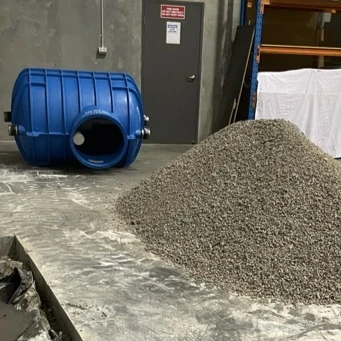
In any commercial kitchen, a grease trap plays a critical role in maintaining hygiene, preventing plumbing issues, and ensuring compliance with local regulations. Whether you run a restaurant, café, hotel, or catering business, neglecting grease trap maintenance can lead to serious operational and financial problems. The challenge, however, is that many business owners fail to recognize the early warning signs that their grease trap needs immediate cleaning—until it’s too late.
Understanding these signs can help you act proactively, avoid costly repairs, and keep your kitchen running smoothly. Below are the most important indicators that your commercial grease trap requires urgent attention.
1. Slow Draining Sinks
One of the earliest and most noticeable signs is slow drainage in sinks and floor drains. When grease and solid waste accumulate inside the trap, they restrict water flow. Over time, this blockage worsens, causing water to drain sluggishly or even pool around the sink area. Ignoring this issue can eventually lead to complete blockage, disrupting your kitchen operations during peak hours.
2. Unpleasant Odors in the Kitchen
A properly functioning grease trap should contain odors, not release them. If you start noticing foul smells—especially a strong, rancid odor—it’s a clear indication that grease and food particles have built up and begun to decompose. These odors can quickly spread throughout the kitchen and dining areas, negatively affecting both staff comfort and customer experience.
3. Grease Overflow or Backup
Grease traps are designed to separate fats, oils, and grease (FOG) from wastewater. When the trap becomes too full, it loses its ability to function effectively. This can lead to grease overflowing back into sinks or even onto the floor. Not only is this unhygienic, but it also poses a serious safety risk due to slippery surfaces.
4. Increased Frequency of Plumbing Issues
If you find yourself frequently calling a plumber to fix clogs or drainage issues, your grease trap might be the root cause. Accumulated grease can travel beyond the trap and clog pipes further down the line. Regular maintenance can prevent these recurring problems and save you from expensive emergency repairs.
5. Visible Grease Buildup
Routine inspection of your grease trap can reveal a lot. If you notice thick layers of grease or solid waste taking up a significant portion of the trap, it’s time for immediate cleaning. As a general rule, when grease and solids occupy around 25% of the trap’s capacity, it should be serviced. Waiting longer can reduce efficiency and increase the risk of system failure.
6. Pest Infestation
Grease traps filled with food waste and organic material can attract pests such as flies, cockroaches, and rodents. If you notice an increase in pest activity around your kitchen or drainage areas, your grease trap could be the source. Keeping it clean not only maintains hygiene but also helps in effective pest control.
7. Non-Compliance with Regulations
Many local authorities have strict regulations regarding grease trap maintenance and waste disposal. Failure to clean your grease trap regularly can result in fines, penalties, or even temporary closure of your business. If your maintenance schedule has lapsed or records are not up to date, it’s a strong sign that immediate action is required.
8. Unusual Noises in the Plumbing System
Gurgling sounds coming from drains or pipes may indicate trapped air caused by blockages in the system. These noises often occur when grease buildup restricts normal water flow. While it may seem like a minor issue at first, it can quickly escalate into a more serious plumbing problem if left unaddressed.
9. Reduced Efficiency of Kitchen Operations
A neglected grease trap can disrupt your entire workflow. Slow drainage, bad odors, and frequent plumbing issues can delay food preparation and cleaning processes. This not only affects productivity but can also impact customer satisfaction, especially during busy service hours.
Why Immediate Cleaning Matters
Delaying grease trap cleaning doesn’t just increase the risk of plumbing problems—it can also harm your business reputation. Customers expect a clean and hygienic environment, and even minor issues like unpleasant smells can leave a lasting negative impression.
Regular cleaning ensures that your grease trap operates efficiently, extends the lifespan of your plumbing system, and helps you stay compliant with health and safety standards. Partnering with professionals, such as Citi Industries, can ensure that your grease trap is cleaned thoroughly and maintained on a consistent schedule.
Final Thoughts
A commercial grease trap is often out of sight, but it should never be out of mind. Paying attention to early warning signs like slow drainage, foul odors, and grease buildup can save you from costly repairs and operational disruptions. By staying proactive and scheduling regular maintenance, you can keep your kitchen running efficiently, maintain hygiene standards, and protect your business from unnecessary risks.
If you notice any of these signs, don’t wait—immediate cleaning is the key to avoiding bigger problems down the line.