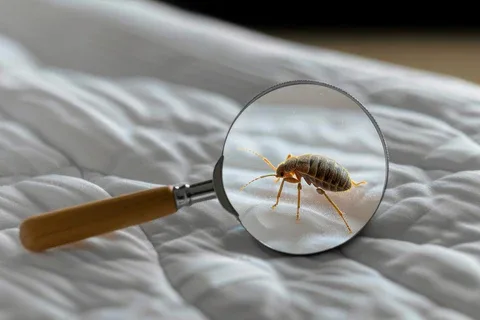

Bed bugs are small insects that hide in mattresses, bed frames, furniture, and other places where people sleep or rest. Common signs of an infestation include itchy bites after sleeping, tiny black spots on mattresses, rusty stains on sheets, shed insect skins, and live bugs hiding in furniture. However, bites alone do not confirm bed bugs. Finding the insects or physical evidence of their presence is a much more reliable way to identify an infestation.
Bed bugs can enter any home, regardless of how clean it is. They often travel inside luggage, clothing, used furniture, and other belongings. Knowing what to look for can help Dallas homeowners catch an infestation early and prevent it from spreading to other rooms.
7 Signs of a Bed Bug Infestation in Your Home
Bed bugs are good at hiding, so you may not notice them during the day. Instead of relying on one symptom, look for several signs around your sleeping area. The following clues can help you identify a possible infestation.
1. Itchy Bites That Appear After Sleeping
One of the first things people notice is waking up with itchy red bumps on their skin. Bed bugs usually bite exposed areas, including the arms, neck, face, shoulders, and legs.
Their bites may appear in small clusters or a line, but there is no fixed pattern. Some people develop itchy marks, while others show no visible reaction at all. Bite marks can also take several days to appear.
This is why you should not assume every morning bite comes from bed bugs. Mosquitoes, fleas, and other skin conditions can cause similar reactions. Check your mattress and nearby furniture for physical evidence before deciding what caused the bites.
2. Small Rusty or Reddish Stains on Your Sheets
Tiny reddish or rusty stains on your sheets, pillowcases, or mattress can be another warning sign. These marks may appear when a bed bug gets crushed after feeding or when small amounts of blood are left behind.
Check the areas where you sleep, especially near the edges of your mattress and around the pillow area. A few unexplained stains do not automatically mean you have bed bugs, but repeated marks along with other signs deserve attention.
3. Tiny Black Spots on the Mattress or Bed Frame
Bed bug droppings often look like tiny black or dark brown dots. They are made of digested blood and may look similar to ink marks on fabric.
Look closely at mattress seams, bed frame joints, headboards, and the corners of your bedding. These spots may also appear on nearby furniture.
If you lightly wipe a suspected spot with a damp tissue, it may smear and leave a brownish or rusty mark. However, this is only a clue, not a definite identification.
4. Shed Skins Around Your Sleeping Area
Bed bugs grow through several stages before becoming adults. As they grow, they shed their outer skin, leaving behind thin, pale shells.
These shed skins can look like tiny, empty insect bodies. They are usually light brown or yellowish and may be difficult to notice without a flashlight.
Check underneath the mattress, around the bed frame, behind the headboard, and inside furniture joints. Finding several shed skins in the same area can indicate that bed bugs have been living and growing nearby.
5. Tiny White Eggs in Hidden Corners
Bed bug eggs are very small, usually around 1 millimeter long, and have a whitish or pearly appearance. They are often attached to surfaces in protected areas, making them difficult to remove.
You may find them:
- Along mattress seams and stitching.
- Inside cracks in wooden bed frames.
- Behind headboards and loose wallpaper.
- In joints and corners of nearby furniture.
Finding eggs is a strong warning sign because it suggests that bed bugs are reproducing inside your home. A growing population can become harder to control if left untreated.

6. Live Bugs Hiding in Mattresses and Furniture
Seeing an actual bed bug is one of the clearest signs of an infestation. Adult bed bugs are flat, oval-shaped, reddish-brown insects, roughly the size of an apple seed. Younger bed bugs are smaller and lighter in color, which makes them harder to spot.
They usually hide during the day and become active when people are resting or sleeping.
Check mattress piping, box springs, bed frames, headboards, and the gaps between furniture joints. If you find a suspected insect, capture it in a sealed container or take a clear photograph so a pest professional can help identify it.
7. A Musty or Unusual Sweet Smell
A strong, musty or slightly sweet smell can sometimes develop in a heavily infested room. This odor comes from chemicals released by bed bugs.
However, not every infestation produces a noticeable smell. You may not detect anything unusual, especially when the infestation is still small.
Do not use smell alone to identify bed bugs. Look for physical evidence such as droppings, eggs, shed skins, and live insects.
What Should You Do If You Find Signs of Bed Bugs?
Finding possible bed bug evidence can be stressful, but taking the right steps early can help prevent the problem from spreading.
1. Avoid moving furniture between rooms. Carrying an infested mattress, sofa, or bedding elsewhere can spread bed bugs to new areas.
2. Wash and dry affected fabrics carefully. Place washable bedding and clothing in a dryer on a high-heat setting, following the fabric care instructions. Keep treated items in clean, sealed bags.
3. Vacuum carefully. Clean mattress seams, bed frames, and nearby floor edges. Immediately seal and dispose of the vacuum contents outside.
4. Avoid throwing away your mattress immediately. Bed bugs may also be hiding in the bed frame, furniture, and other nearby spaces. Replacing the mattress alone will not solve the problem.
5. Arrange a professional inspection. A trained pest control professional can identify the insects, locate hiding places, and recommend an appropriate treatment plan.
Avoid using household bug bombs or random insecticide sprays. These products may not reach hidden bed bugs and can cause them to scatter into other hiding places.
When Should You Call a Bed Bug Exterminator?
Do not wait until you see bed bugs crawling across your mattress before seeking help. Repeated bite marks, fresh dark spots, shed skins, or eggs are all reasons to arrange an inspection.
A professional bed bug exterminator in Dallas can help confirm the infestation, identify where the insects are hiding, and determine whether heat treatment or another control method is appropriate.
Bed bugs are not known to spread diseases, but their bites can cause itching, allergic reactions, and sleep disturbances. Early identification and proper treatment can help prevent a small problem from becoming a larger infestation.
The important thing is not to ignore the signs. If you suspect bed bugs in your home, have the problem properly inspected rather than relying on bites or guesswork alone.