
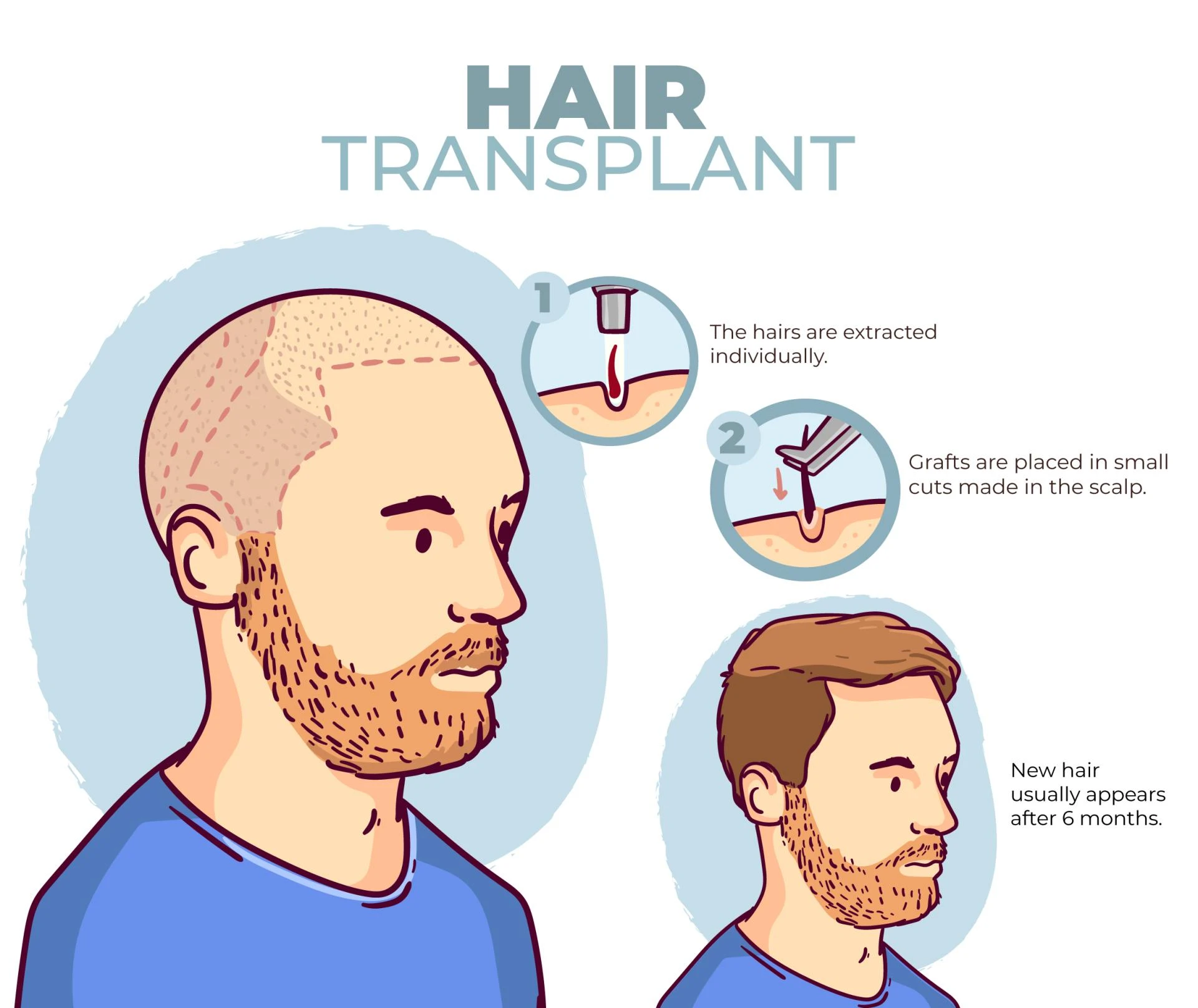
Have you found yourself avoiding mirrors, tugging hats on before heading out, or Googling “why is my hair thinning so fast?” Numerous questions pop up in your mind when you're struggling with hair loss.
You’re not alone—and truth is, the idea of a Hair Transplant in New Jersey might be pinging your radar. But before you dive headfirst into surgery, let’s talk about whether you’re actually ready.
Is a Hair Transplant Right for You? Signs You’re Definitely Not
Doing a Hair Transplant isn’t just about filling in what’s missing, but it’s a physical, emotional, and even financial leap. So let’s break it down into clear cues that you might be a good fit, and red flags that say "Hold up."
Signs You’re Probably Ready
You’ve Got Noticeable Thinning or Bald Spots
If you see more scalp showing up in the crown, hairline, or part, it’s not just in your head—it’s a legit sign. Specialists identify a visible bald patch or heavy thinning as one of the first signs that a hair transplant in New York City could be a viable option.
Your Hair Loss Has Smoothed Out—It’s Stabilised
When shedding slows and your hair-loss pattern feels steady—that’s good. A stabilized pattern allows surgeons to map you out confidently without guessing your future hair demo.
You Have Enough Donor Hair
Without that ammo, the transplant can fall flat and leave you with awkward thin spots elsewhere.
You’ve Tried (and Outgrown) Other Fixes
Perhaps you've tried minoxidil or finasteride, but the results didn't meet your expectations. That’s often exactly when experts say, “Okay, let’s talk surgical fix.”
You’re Mentally in It—Ready for Patience
A Hair Transplant in New Jersey isn’t magic that kicks in overnight. Picture a slow reveal—months of growth, some shedding, then real density. Patients who adhere to the timeline are generally the happiest with their results.
You Have Realistic Expectations
This isn’t about getting your high-school hair back, but about a natural, fuller-looking version of yourself. When people expect real results—not perfection—they tend to be satisfied.
Signs You Might Be Jumping the Gun
- Too Young, Too Soon
If you're under 25—and especially under 30—your hair loss might not yet be predictable. Surgeons often recommend waiting until your late 20s or even early 30s when the pattern is more precise.
- You’re Losing Hair Too Fast
Rapid or unpredictable shedding indicates a shaky foundation. Think of a hair transplant in New York City now, and you’ll likely need another later. Best to wait and ride it out.
- Donor Hair Isn’t Strong Enough
If the hair behind your head is thinning, using it for a transplant doesn’t help—it just moves the thinness around.
What to Think About in Your Late 20s to Early 30s?
Here’s a mini checklist that countless clinics agree on:
- Late 20s to 30s is often the sweet spot. Your hair loss pattern begins to stabilize, which helps surgeons create a natural-looking result over the long term.
- The ideal candidate age tends to fall between 30 and 45, as loss has slowed and expectations are rooted in reality.
- Clinics will ask: Is your hair loss stable for 1–2 years? Did you try meds first? How’s your donor zone? Let’s walk through these before deciding.
Let’s Talk Outcomes
Here’s the good stuff on what actually happens after pulling the trigger:
- Recovery & Timeline
- You’ll go through an initial healing phase (swelling, scabs) in the first week. Then expect shock shedding followed by patches of regrowth, Months 2–4. Full, noticeable results often take 6–12 months.
- Stay the Course
- Follow your surgeon’s after-care instructions to the letter—saline sprays, gentle washing, and avoiding heat/sweat early on.
Final Checklist: Are You Ready?
Criteria Yes?
- Noticeable thinning or bald areas
- Hair loss stabilized
- Adequate donor area
- Overall good health
- Tried nonsurgical treatments first
- Emotionally ready for the journey
- Set realistic expectations
- Prefer not to undergo surgery too young
- If you tick most of these boxes, you’re likely in the sweet spot for a Hair Transplant in New Jersey.
What Now?
If you’re nodding along, book a consultation with a trusted clinic—bonus points if they offer virtual assessments or free exams. Ask questions: Can you see examples of your own hair type? What’s their after-care plan? How’s follow-up handled?