Your garage floor works harder than you think. From supporting heavy vehicles to handling spills, moisture, and temperature changes, it takes daily abuse. Homeowners who invest in Residential Concrete Services in Troy often do so after realizing the warning signs were there all along. Catching those signs early can save you money, improve safety, and protect your property’s value.
Let’s take a closer look at what your garage floor might be trying to tell you.
Widening Cracks in the Concrete
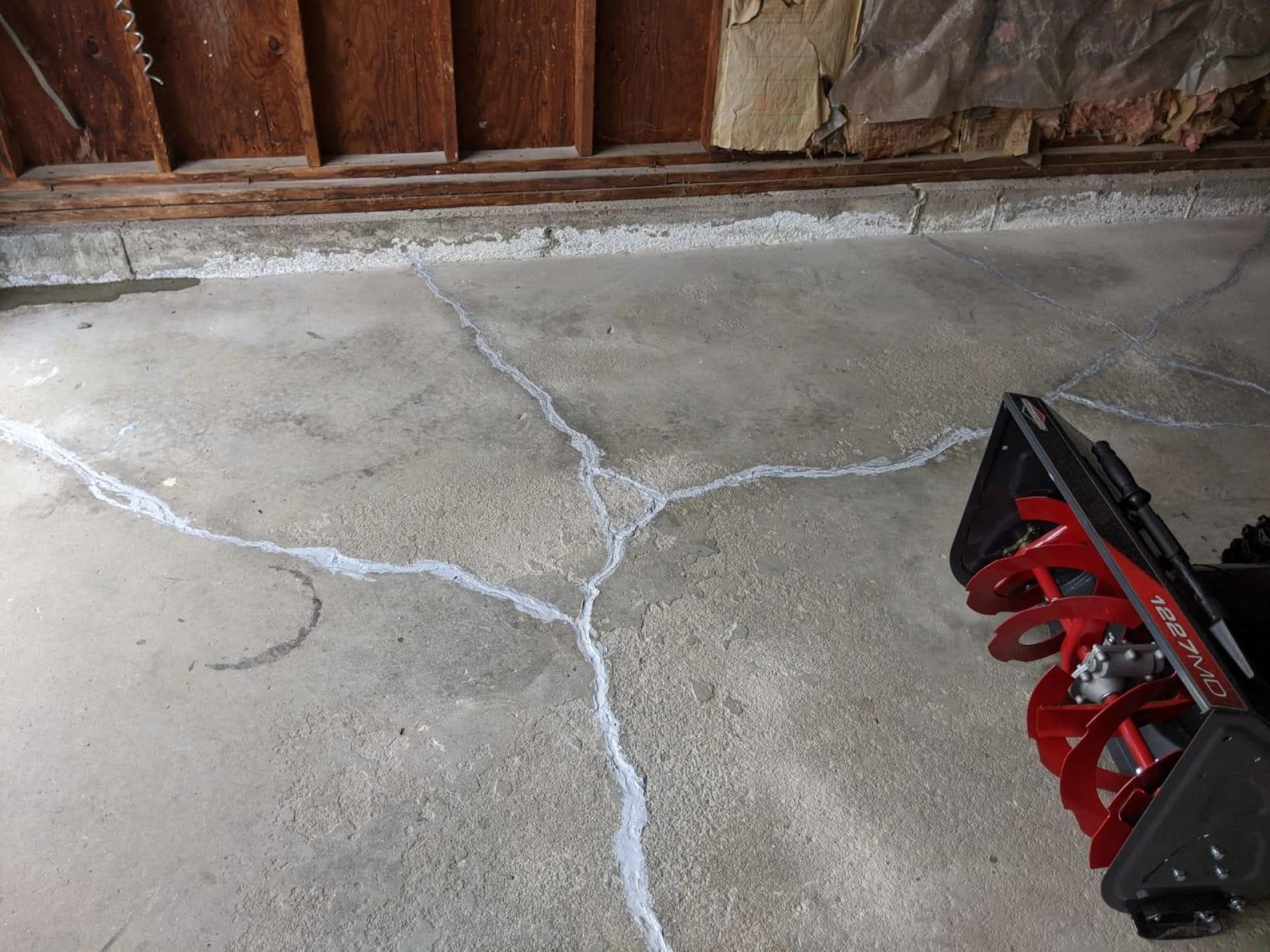
Small hairline cracks are common in concrete, especially as it ages. But when cracks begin to widen, lengthen, or multiply, it’s a red flag. Expanding cracks can signal structural movement, soil shifting beneath the slab, or repeated freeze-thaw cycles weakening the surface.
If left untreated, cracks allow water to seep below the surface. That moisture can erode the foundation, cause uneven settling, and lead to more extensive damage. What starts as a cosmetic issue can quickly become a structural concern. Addressing cracks early prevents costly repairs later.
Uneven or Sunken Areas
Does your garage floor feel slightly sloped or uneven in certain spots? Maybe you’ve noticed pooling water after rain or snow. Uneven concrete often points to soil compaction issues or erosion beneath the slab.
Sunken sections not only look unattractive but can also create tripping hazards. More importantly, they put stress on the surrounding concrete, which may eventually crack under uneven pressure. Professional repair can level the surface and restore stability before the issue spreads.
Surface Flaking or Peeling
If your garage floor is flaking, chipping, or peeling, this condition—often called spalling—usually results from moisture exposure or improper finishing during installation. Road salts, chemical spills, and heavy impacts can accelerate surface deterioration.
Spalling weakens the top layer of concrete and exposes the aggregate beneath. Beyond aesthetics, it reduces durability and makes cleaning more difficult. Repairing the damaged layer protects the slab from further breakdown and restores a smooth, functional finish.
Persistent Stains and Discoloration
Some stains are purely cosmetic, but widespread discoloration can signal deeper problems. Oil, coolant, and chemical spills can penetrate porous concrete and compromise its integrity over time.
If cleaning no longer improves the appearance of your garage floor, sealing or resurfacing may be necessary. Services like Residential Concrete Services can evaluate whether the surface needs minor repairs or a more comprehensive solution such as resurfacing or protective coatings.
Excessive Dusting
Have you noticed a fine layer of concrete dust collecting on surfaces in your garage? Concrete dusting occurs when the surface begins to break down due to weak finishing, moisture intrusion, or heavy wear.
This powdery residue not only makes your garage harder to keep clean but also signals that the surface is deteriorating. Sealing or resurfacing the concrete can eliminate dusting and extend the life of your floor.
Water Seepage and Moisture Problems
Moisture is one of concrete’s biggest enemies. If you see damp patches that don’t dry quickly or notice water seeping through the floor, it could indicate cracks or poor drainage beneath the slab.
Unchecked moisture can lead to mold growth, unpleasant odors, and further structural damage. Repairing cracks and applying proper sealing helps prevent long-term water-related issues and keeps your garage environment dry and safe.
Age and General Wear
Concrete is durable, but it’s not indestructible. Over time, years of vehicle traffic, dropped tools, and temperature fluctuations naturally wear down the surface. Even if there aren’t obvious structural problems, an aging garage floor may benefit from professional assessment.
Upgrading or repairing an older slab improves both appearance and functionality. It can also increase the overall value of your property, especially if you plan to sell in the future.
When Professional Help Makes Sense
Minor surface flaws might be manageable with basic maintenance, but widespread cracking, sinking, or moisture issues require professional evaluation. Experienced providers of Residential Concrete Services in Troy can assess the condition of your garage floor and recommend targeted repairs rather than temporary fixes.
Professional repairs not only address visible damage but also correct underlying causes, ensuring long-term durability.
Final Thoughts
Your garage floor is more than just a surface to park on—it supports heavy loads, protects your home’s structure, and contributes to overall property value. Cracks, uneven areas, flaking surfaces, dusting, and persistent moisture are all signs that it may be time for repairs.
Ignoring early warning signs often leads to bigger, more expensive problems. Acting promptly helps maintain safety, functionality, and curb appeal. If your garage floor is showing any of these symptoms, a professional inspection could be the first step toward restoring strength and stability for years to come.