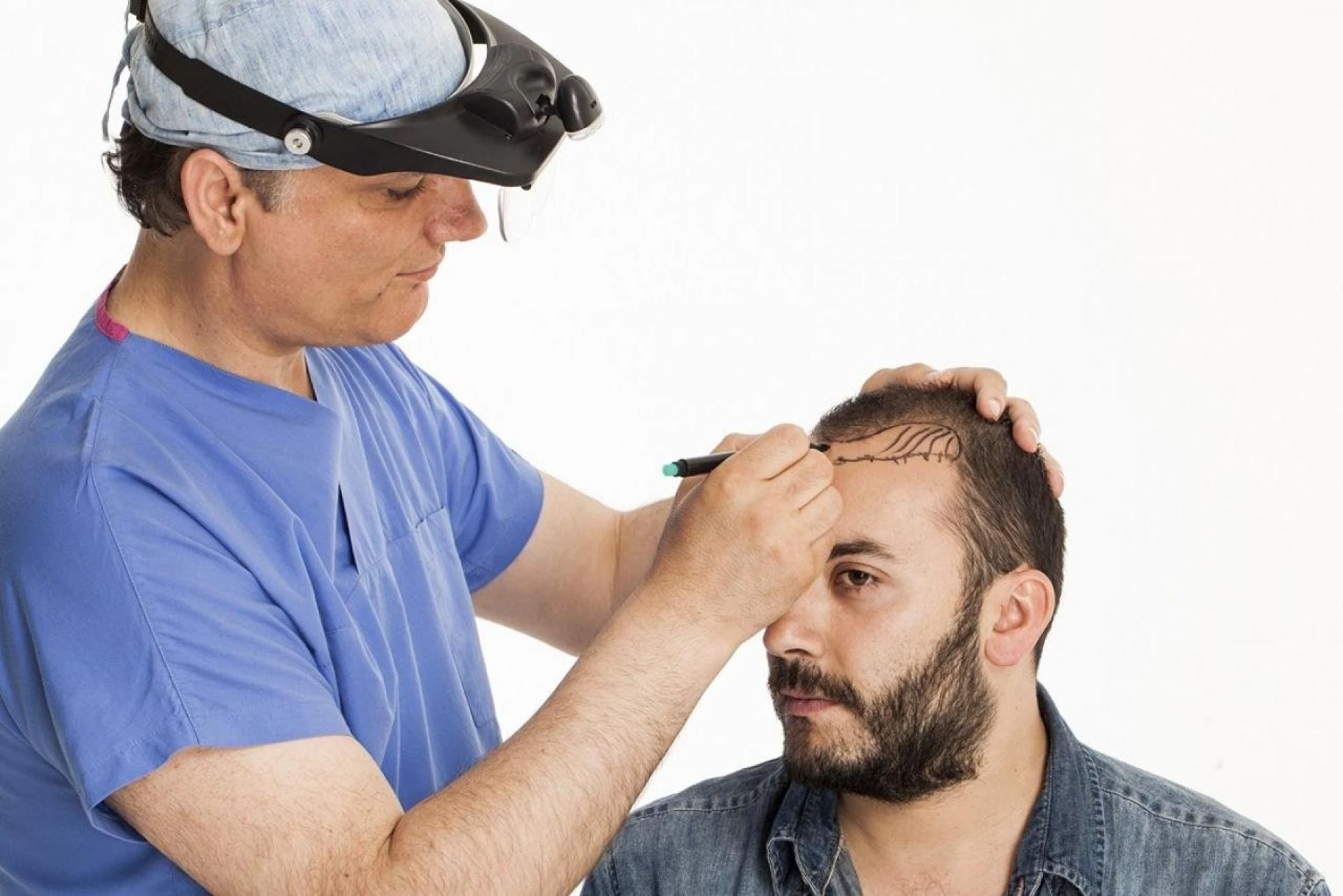
Choosing a Hair Transplant in Islamabad is a life-changing decision for many individuals dealing with hair loss. While the procedure is generally safe and effective, like any surgical intervention, it comes with potential side effects. Understanding these side effects and knowing how to manage them can make the recovery process smoother and more comfortable. For those considering this treatment, you can explore more details about the procedure at Hair Transplant in Islamabad.
Common Side Effects of Hair Transplant
Most side effects associated with hair transplant surgery are temporary and manageable with proper care. Below are the most common ones:
1. Swelling of the Scalp
Swelling, especially around the forehead and eyes, is common after a hair transplant. It typically occurs within the first few days post-surgery and subsides after a week.
Management Tips:
- Keep your head elevated while sleeping to reduce swelling.
- Apply cold compresses to the forehead (avoiding the transplanted area).
- Follow the prescribed medications given by your surgeon.
2. Pain and Discomfort
Mild pain and tenderness around the donor and recipient areas are expected after surgery. This discomfort usually lasts a few days.
Management Tips:
- Use over-the-counter pain relievers as advised by your doctor.
- Avoid strenuous activities to prevent aggravating the discomfort.
- Follow aftercare instructions to avoid unnecessary pressure on the scalp.
3. Itching
Itching is a natural part of the healing process and often results from the formation of scabs.
Management Tips:
- Use mild, prescribed shampoos to gently wash the scalp.
- Avoid scratching or picking at the scabs to prevent infections and dislodging grafts.
- Apply moisturizing sprays or lotions recommended by your surgeon.
4. Infection
Although rare, infections can occur if the scalp is not kept clean or if aftercare instructions are neglected.
Management Tips:
- Follow strict hygiene protocols.
- Use antibiotics as prescribed by your doctor.
- Consult your surgeon immediately if you notice pus, redness, or increased pain.
5. Bleeding
Minor bleeding from the donor or recipient area can occur post-surgery but usually resolves quickly.
Management Tips:
- Apply gentle pressure with a clean cloth to stop the bleeding.
- Avoid alcohol, smoking, and blood-thinning medications unless cleared by your surgeon.
- Refrain from vigorous activities that may cause trauma to the scalp.
6. Scarring
Some patients may experience minimal scarring, particularly with the FUT technique. FUE procedures generally leave tiny, barely noticeable scars.
Management Tips:
- Follow post-operative care guidelines to minimize scarring.
- Discuss scar revision options if needed.
- Use silicone gels or creams approved by your doctor to improve scar appearance.
7. Shock Loss
Shock loss refers to temporary hair shedding from both transplanted and surrounding areas. This is a natural reaction to the surgical trauma and usually resolves within a few months.
Management Tips:
- Remain patient as new hair growth will typically begin after a few months.
- Maintain a healthy diet and lifestyle to support hair regrowth.
- Follow-up with your surgeon to monitor progress and address concerns.
8. Numbness or Lack of Sensation
Temporary numbness in the scalp is common due to nerve endings being affected during surgery. Sensation typically returns within a few weeks to months.
Management Tips:
- Allow time for the nerves to heal naturally.
- Report any prolonged numbness or discomfort to your surgeon.
- Follow all aftercare recommendations to avoid further nerve irritation.
9. Folliculitis (Inflammation of Hair Follicles)
Folliculitis may occur as small red bumps or pustules around the transplanted hair follicles.
Management Tips:
- Apply warm compresses to the affected area.
- Use prescribed topical antibiotics or anti-inflammatory medications.
- Avoid harsh hair products until the area heals completely.
10. Unnatural-Looking Hair Growth
In rare cases, the transplanted hair may grow in an unnatural direction or pattern if not performed by an experienced surgeon.
Management Tips:
- Choose a qualified and experienced surgeon to ensure natural-looking results.
- Discuss corrective options like touch-up procedures if necessary.
- Be patient as final results can take up to a year to fully develop.
Preventing Side Effects: Pre and Post-Procedure Tips
Preventing complications is just as important as treating them. Following these preventative measures can significantly reduce the risk of side effects:
Before the Procedure:
- Discuss your medical history and medications with your surgeon.
- Avoid smoking, alcohol, and blood-thinners as advised.
- Follow the pre-operative instructions provided by your clinic.
After the Procedure:
- Keep the scalp clean and dry as per your surgeon’s guidelines.
- Avoid direct sun exposure and strenuous activities.
- Refrain from using hair styling tools or products until cleared by your doctor.
When to Contact Your Surgeon
While most side effects are mild, certain symptoms should prompt immediate medical attention:
- Excessive bleeding that doesn’t stop with pressure
- Severe pain not relieved by medications
- Fever or signs of infection such as pus discharge and increased redness
- Persistent numbness beyond the expected recovery period
Choosing the Right Clinic to Minimize Risks
Selecting an experienced clinic plays a crucial role in minimizing side effects. A skilled surgeon will:
- Provide a comprehensive consultation and evaluate if you’re a good candidate for the procedure.
- Use advanced techniques to reduce trauma to the scalp.
- Offer detailed post-operative care instructions and follow-ups.
Why Dynamic Clinic is the Right Choice
Opting for the right clinic ensures not just successful results but also a safe and smooth recovery process. Dynamic Clinic stands out as a leading choice for Hair Transplant in Islamabad, providing personalized treatment plans, advanced technology, and experienced medical professionals.
Their comprehensive approach includes:
- Thorough pre-operative consultations to assess individual needs
- Use of advanced surgical techniques for minimal discomfort and quicker recovery
- Detailed post-procedure guidance to manage side effects effectively
Conclusion
While side effects are a possibility after undergoing a Hair Transplant in Islamabad, they are generally temporary and manageable with proper care. Understanding these potential complications and following your surgeon’s instructions are essential for a successful outcome. With professional guidance and appropriate aftercare, you can enjoy long-lasting, natural-looking results.
For expert care and tailored solutions, trust Dynamic Clinic, where patient satisfaction and safety are top priorities. Learn more about their hair restoration services at Dynamic Clinic.