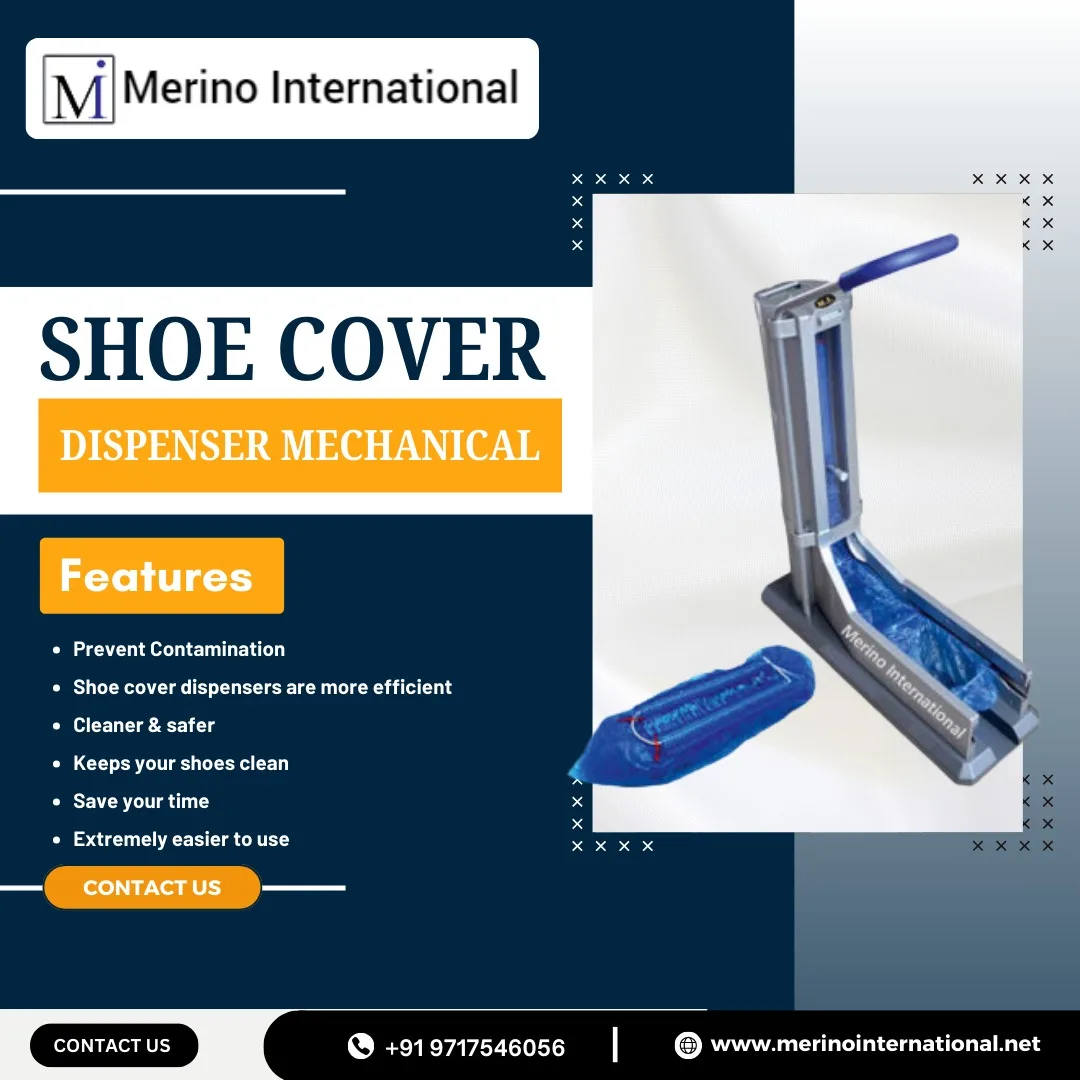
Maintaining cleanliness in healthcare facilities, laboratories, pharmaceutical units, and other controlled environments requires well-planned hygiene procedures. From providing protective clothing to organising entry points, every step can contribute to a more systematic workplace. A shoe cover dispenser is a practical addition to facilities where disposable footwear covers are required as part of established cleanliness protocols.
Businesses searching for a reliable shoe cover dispenser manufacturer should consider product functionality, durability, ease of use, and suitability for their intended environment. Merino International is a company operating in the medical furniture and healthcare-related product sector that businesses can contact to explore product information and suitable options.
Why Is a Shoe Cover Dispenser Useful?
A shoe cover dispenser provides convenient access to footwear covers at a designated location. Instead of storing individual covers in different places, a facility can organise them at an entry station where employees and visitors can access them when necessary.
Depending on the model, a dispenser may simplify the process of putting on shoe covers and reduce the need for direct handling. The right design can help streamline routine entry procedures, particularly in facilities with regular visitor or staff movement.
A dispenser is not a substitute for a complete hygiene programme. Rather, it supports specific procedures when footwear protection is required by the facility's operating guidelines.
Important Applications of Shoe Cover Dispensers
Healthcare Facilities
Hospitals, clinics, and other healthcare environments may require footwear covers in designated areas. A conveniently positioned dispenser can help staff and visitors access them as part of the facility's established protocols.
Laboratories and Testing Centres
Laboratories often follow specific rules regarding protective equipment and access to work areas. Where shoe covers are required, a dispensing station can help keep supplies organised near the entrance.
Pharmaceutical Manufacturing
Some pharmaceutical production areas operate under controlled cleanliness requirements. Shoe covers may form part of a wider protective clothing system, alongside other measures appropriate to the environment.
Food Processing Units
Food manufacturing and processing businesses may use dedicated footwear protection in selected areas. A dispenser can make shoe covers available at designated entry points when required by workplace procedures.
Research and Development Centres
Research facilities can benefit from organised protective equipment stations, particularly when employees and visitors need to follow specific entry instructions.
Commercial and Industrial Spaces
Certain industrial workplaces, showrooms, and indoor project areas may use shoe covers to help manage dust and maintain cleanliness. Product selection should reflect the specific environment and expected frequency of use.
Features to Evaluate Before Purchasing
Selecting the right shoe cover dispenser involves assessing several practical factors.
User-friendly operation: The dispensing mechanism should be straightforward to understand and operate. Simple instructions can help new users follow the correct procedure.
Durable construction: Consider the materials used and whether they are suitable for the expected frequency of use. Ask the supplier about cleaning compatibility and routine maintenance.
Consumable compatibility: Confirm which shoe cover materials, sizes, and designs work with the dispenser. Compatibility can affect ease of operation and ongoing purchasing costs.
Capacity and replenishment: Consider how often the dispenser will be used and how frequently it will need refilling. Facilities with higher foot traffic may need a different arrangement from smaller workplaces.
Space efficiency: Review the unit's dimensions and determine whether it fits the designated entry area without obstructing movement.
Maintenance requirements: Ask about cleaning procedures, replacement parts, servicing, and any other maintenance recommendations provided by the supplier.
Safety and accessibility: The dispenser should be positioned so users can access it comfortably without creating unnecessary congestion or trip hazards.
How to Choose the Right Shoe Cover Dispenser Manufacturer
Finding a suitable shoe cover dispenser manufacturer requires more than comparing product prices. Buyers should evaluate the supplier's ability to provide accurate product information and help them understand whether a particular model matches their needs.
Start by defining the purpose of the dispenser. Consider the type of facility, number of daily users, location of the installation, and footwear covers required. These details make it easier to shortlist appropriate options.
Next, request technical specifications and clarification about operating instructions, materials, consumable compatibility, cleaning requirements, and warranty terms where applicable. If the dispenser will be used in a specialised environment, confirm that its design is appropriate for the facility's requirements.
Businesses should also consider the long-term cost of ownership. The initial purchase price is only one factor; replacement consumables, maintenance, and the availability of support may influence overall value.
Before finalising an order, confirm product availability, delivery arrangements, and after-sales assistance with the supplier. Clear communication at the purchasing stage can help prevent avoidable operational problems later.
Why Product Selection Matters for Long-Term Use
A dispenser that matches the facility's requirements can make routine hygiene procedures easier to manage. However, the best choice depends on the intended application rather than a single feature or specification.
For example, a facility with frequent daily entry may prioritise convenient operation and replenishment, while a smaller laboratory may focus on space requirements and straightforward maintenance. Procurement teams should compare products against their own needs and follow the supplier's recommended usage instructions.
Regular inspection, correct refilling, and appropriate placement can also help maintain usability. Staff should understand when shoe covers are required and how to use the dispensing equipment correctly.
Connect With Merino International
Merino International operates in the medical furniture and healthcare-related product sector. Organisations exploring shoe cover dispensers can contact the company to enquire about product availability, specifications, and suitability for their requirements.
When requesting information, explain the intended application and expected usage. This can help clarify which options may be appropriate and what additional product details should be reviewed before purchasing.
Conclusion
A shoe cover dispenser can support organised footwear-protection procedures in hospitals, laboratories, pharmaceutical facilities, and other environments where disposable shoe covers are required. Evaluating usability, construction, compatibility, capacity, and maintenance helps businesses make a more informed purchasing decision.
If you are searching for a dependable shoe cover dispenser manufacturer, take time to assess your operational requirements and compare suitable products before placing an order.
Contact Merino International
- Phone: +91 9717546056
- Website:www.merinointernational.net
Explore suitable product options and choose a dispensing solution that aligns with your facility's hygiene procedures and everyday workflow.