
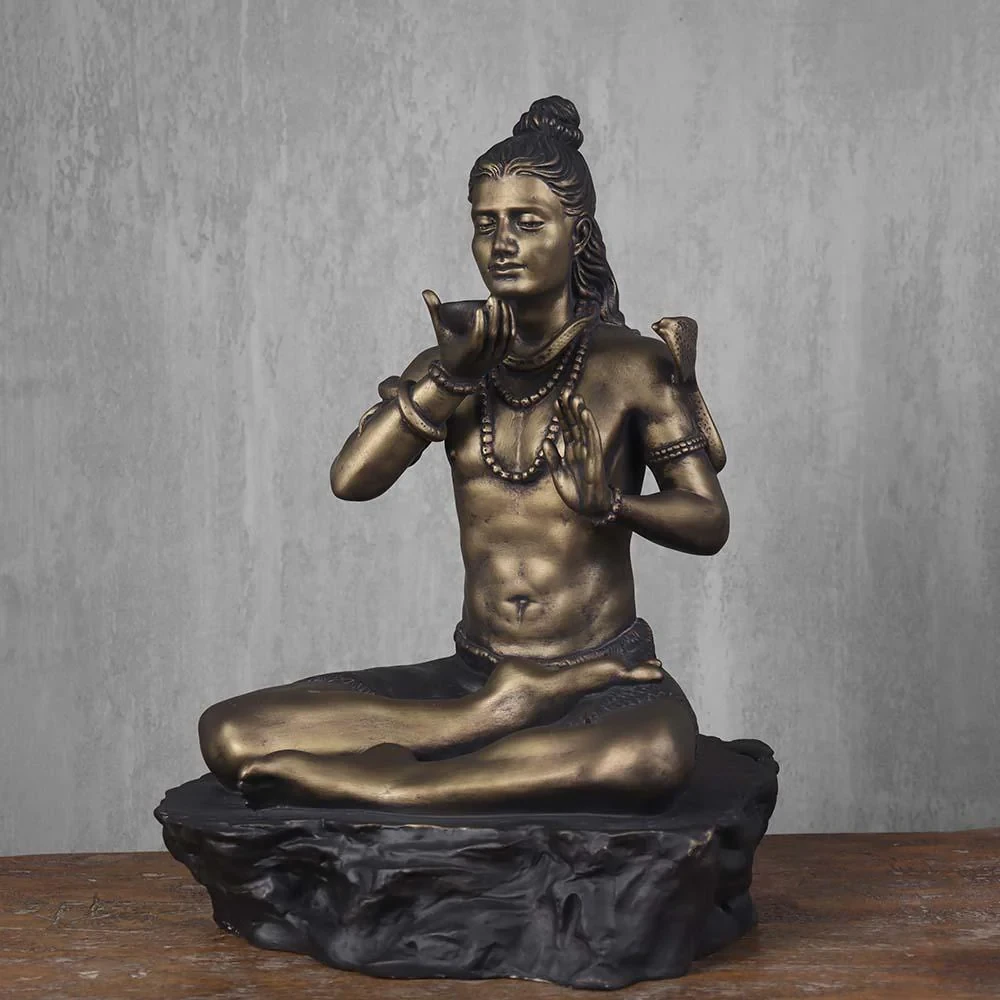
In Hindu tradition, Lord Shiva is revered as the Supreme Being — the destroyer of evil and the transformer of the universe. A Shiv Murti (statue of Lord Shiva) embodies these divine qualities and has become a powerful and spiritually uplifting element in homes, temples, and public spaces. Whether used for religious devotion or home decor, a Shiv Murti holds deep spiritual meaning and aesthetic charm.
Significance of Shiv Murti
The Shiv Murti symbolizes:
- Destruction of ignorance and ego
- Transformation and renewal
- Supreme consciousness and inner stillness
- Divine protection and spiritual strength
Worshipping a Shiv Murti is believed to bring mental peace, courage, and blessings to the devotee. It serves as a focal point for meditation, prayer, and connecting with higher consciousness.
Iconic Depictions of Lord Shiva in Murti Form
- Shiva in Meditation (Dhyan Mudra)
- Depicts Lord Shiva seated in deep meditation — a symbol of inner peace, stability, and asceticism. Ideal for homes and meditation corners.
- Nataraja (Lord of Dance)
- Shows Shiva performing the cosmic dance of creation and destruction. Represents the rhythm of life and the cycle of the universe.
- Ardhanarishvara (Half Shiva, Half Parvati)
- A unique form combining Shiva and Parvati, symbolizing the balance of masculine and feminine energies.
- Shiva with Trident and Damru
- This popular form shows Lord Shiva holding a trishul (trident) and damru (drum), denoting his control over time, energy, and cosmic forces.
- Shiva Linga
- The abstract representation of Shiva as the eternal source of creation. It is widely worshipped in temples and homes across India.
Placement of Shiv Murti at Home
- Pooja Room or Altar: Place the murti facing east or north. Ensure it is placed respectfully and at eye level or higher.
- Living Room: A statue of Shiva in meditation can enhance the spiritual ambiance and bring calmness.
- Garden or Outdoor Spaces: Large stone or marble Shiv Murtis add a divine touch and create a serene environment.
Important Note: According to Vastu Shastra, avoid placing aggressive forms of Shiva (like Nataraja with fierce expressions) in the bedroom or children's rooms.
Types of Materials Used for Shiv Murtis
- Marble: Elegant and ideal for pooja rooms or garden spaces.
- Brass/Bronze: Traditional and durable, perfect for temples and devotional corners.
- Wood: Earthy and minimal, great for simple, spiritual decor.
- Resin or Fiber: Lightweight and affordable, available in detailed designs.
Benefits of Keeping a Shiv Murti
- Enhances Spiritual Growth
- Encourages regular meditation and connection with divine energy.
- Promotes Mental Calmness
- Brings peace and clarity during stressful times.
- Invites Positivity and Protection
- Shields the household from negative energies and influences.
- Cultural and Aesthetic Appeal
- Adds depth and heritage to the home’s decor.
Conclusion
A Shiv Murti is more than just a statue — it’s a divine presence that invokes strength, serenity, and spiritual awakening. Whether for worship or decor, placing a Shiva statue in your home invites blessings, balance, and a profound sense of inner peace. Choose a form and placement that resonates with your spiritual journey and allow the energy of Lord Shiva to guide and protect your space.