
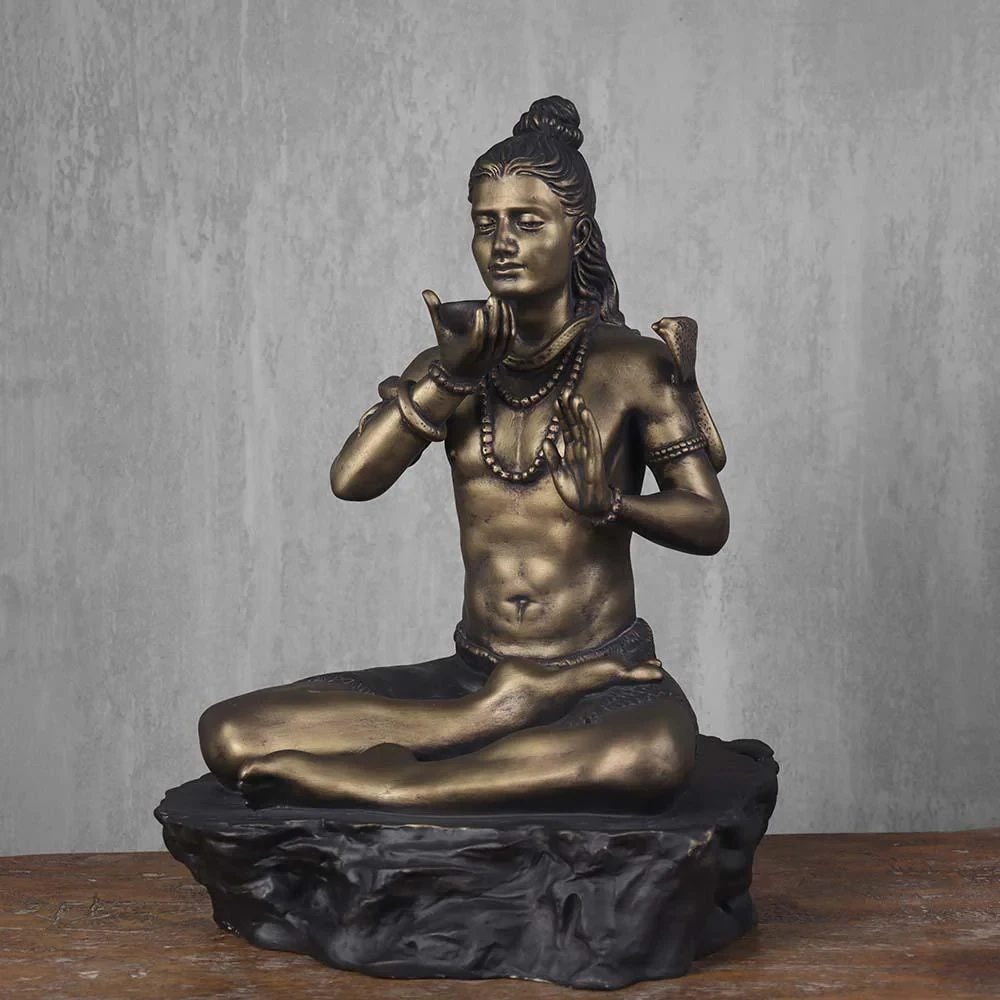
In Hindu culture, Lord Shiva is revered as the supreme deity—the destroyer of evil and the transformer of the universe. A Shiv Murti (Shiva statue) is not just a religious idol but a spiritual representation of inner strength, tranquility, and cosmic balance. Whether placed in homes, temples, or outdoor spaces, a Shiv Murti radiates powerful energy that uplifts the atmosphere and fosters a deep spiritual connection.
Who is Lord Shiva?
Lord Shiva, part of the divine Hindu trinity (Trimurti), embodies creation, preservation, and destruction. He is often depicted in meditation, with matted hair, a crescent moon, a third eye, and a snake coiled around his neck. The Trishul (trident), Damru (drum), and River Ganga flowing from his hair are symbolic of his boundless powers and mastery over the universe.
Significance of Shiv Murti
Placing a Shiv Murti in your home or place of worship is believed to:
- Invite divine protection and remove negative energies
- Bring mental peace and emotional stability
- Promote spiritual awakening and mindfulness
- Encourage discipline, strength, and balance in life
It is a constant reminder of the impermanence of life and the importance of inner calm.
Popular Forms of Shiv Murti
- Meditative Shiva (Dhyan Mudra)
- Represents peace, introspection, and spiritual focus
- Ideal for meditation corners and prayer rooms
- Nataraja (Dancing Shiva)
- Symbolizes the cosmic dance of creation and destruction
- Often placed as a centerpiece or in artful home decor settings
- Shivling (Lingam)
- Abstract representation of Shiva's formless nature
- Most common in temples and home shrines
- Ardhanarishvara (Half Shiva, Half Parvati)
- Symbol of unity between masculine and feminine energies
- Signifies balance and completeness
Best Places to Keep a Shiv Murti
- Puja Room: Most auspicious and spiritually charged space
- Living Room: Creates a tranquil and sacred environment
- Garden or Balcony: Especially for larger stone or brass statues
- Study or Meditation Room: Encourages focus and mental clarity
Note: A Shiv Murti should ideally face east or north and be placed above ground level on a clean and sacred platform. It should never be kept in bedrooms, bathrooms, or directly on the floor.
Materials Used in Shiv Murtis
- Marble: Elegant, serene, and ideal for indoor puja spaces
- Brass/Bronze: Durable, traditional, and suitable for both indoor and outdoor settings
- Wood: Warm and artistic, great for spiritual decor
- Black Stone: Common in temples, gives a majestic and divine feel
Caring for a Shiv Murti
- Keep the statue clean and dust-free
- Avoid placing near clutter or impure areas
- Offer water, flowers, or incense regularly as a sign of reverence
- Maintain the spiritual atmosphere through prayer or meditation
Final Thoughts
A Shiv Murti is much more than a decorative piece—it's a gateway to spiritual depth, positive energy, and divine protection. Whether you're a devotee or a seeker of serenity, bringing a Shiva statue into your space is a timeless way to honor one of Hinduism’s most powerful deities. Let the presence of Lord Shiva guide your journey toward peace, purpose, and inner transformation.