
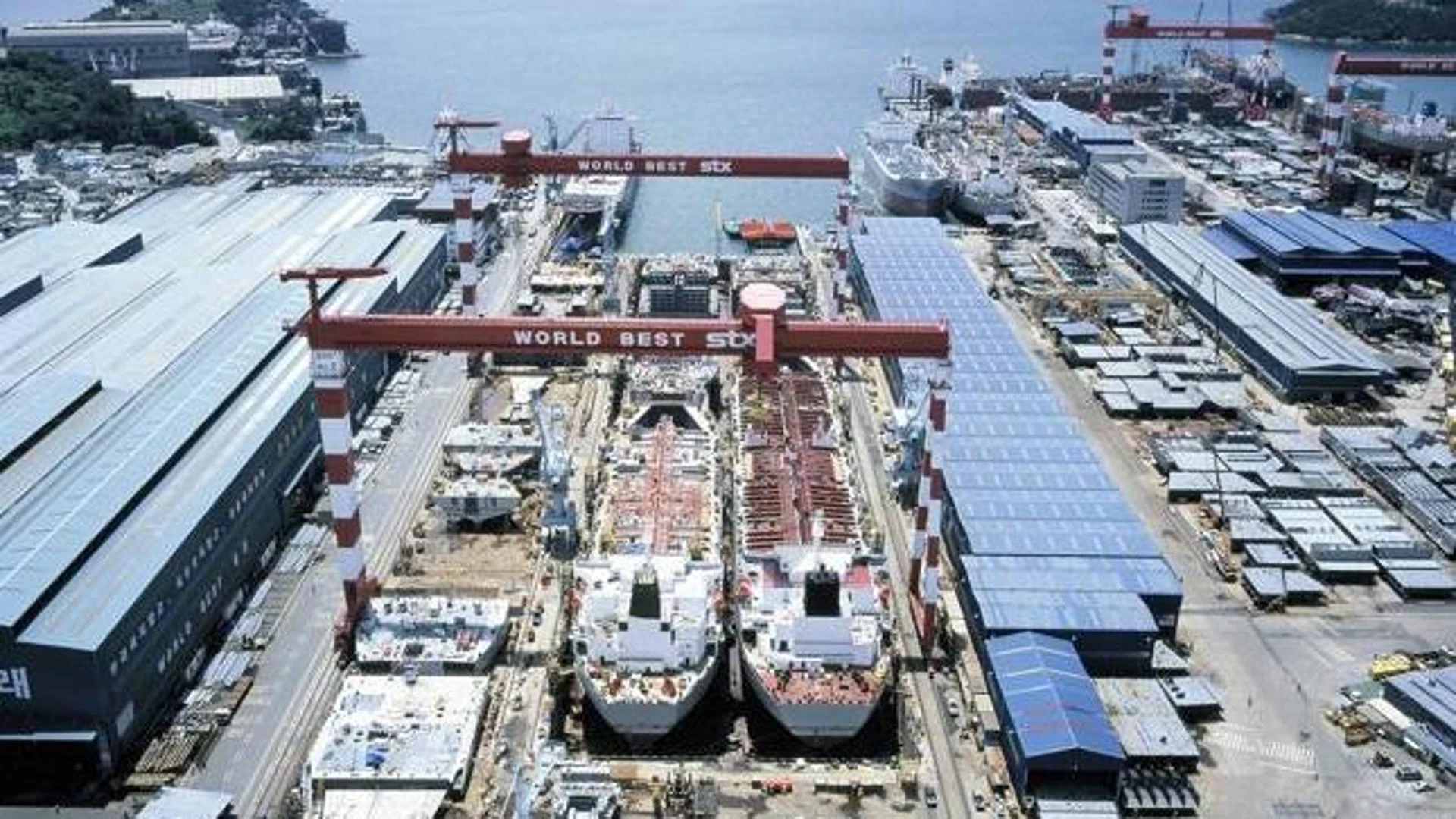
A New Era for Global Shipbuilding: Investment and Innovation Surge
The global shipbuilding industry is on the cusp of a transformative phase driven by substantial maritime funds, increasing governmental backing, and growing demand for greener, more efficient vessels. Emerging economies, in particular, are channeling resources into expanding their shipbuilding capabilities to challenge established powerhouses in Asia and Europe.
Key maritime nations such as South Korea, China, Japan, and now India are unveiling ambitious strategies to dominate the global shipbuilding market, which is expected to surpass USD 230 billion by 2030. With international trade volumes expanding and fleet modernization accelerating, maritime investment funds are poised to play a pivotal role in shaping the future.
Governmental Backing and Policy Frameworks Catalyze Maritime Growth
Several governments have taken bold steps to inject capital and reform regulatory frameworks to support domestic shipyards. In India, the Ministry of Ports, Shipping and Waterways has laid out a comprehensive strategy to infuse billions into maritime infrastructure and shipbuilding through the Maritime India Vision 2030.
Similarly, the European Union has introduced green transition funds aimed at making its shipyards more competitive and environmentally sustainable. South Korea’s K-SURE, a government-backed export credit agency, continues to underwrite massive shipbuilding projects globally, ensuring Korean yards remain dominant.
The U.S. Maritime Administration (MARAD) has also indicated a willingness to increase financial support for domestic shipyards via its Title XI loan guarantee program, potentially opening the floodgates for significant private investment into a long-overlooked sector.
Private Equity and Sovereign Wealth Funds Eyeing Maritime Assets
As traditional industries waver, private equity firms and sovereign wealth funds are increasing allocations to the maritime sector. Entities like Temasek Holdings (Singapore), Norway’s Government Pension Fund Global, and Qatar Investment Authority have begun investing directly into shipping conglomerates and shipyard infrastructure.
The rationale is clear: maritime assets, particularly LNG carriers, container ships, and offshore wind support vessels, are generating steady returns with long-term appreciation potential. With the global fleet aging, the demand for next-generation vessels is accelerating capital deployment into shipbuilding.
Green Shipbuilding: The Core Focus of New Maritime Funding
Environmental sustainability is no longer a choice but a mandate. Upcoming maritime funds are earmarked for the construction of vessels compliant with IMO 2030 and IMO 2050 decarbonization targets. This has created a strong market for dual-fuel engines, hydrogen propulsion systems, and battery-electric ships.
Shipyards around the globe are being incentivized to pivot their design and construction models toward green shipbuilding technologies. Notable innovations include:
- Ammonia-fueled carriers
- Methanol-capable engines
- Wind-assisted propulsion systems
- Smart hull designs to reduce drag and fuel consumption
Maritime funds, especially those led by climate-conscious investors, are expected to prioritize projects that align with net-zero emission goals, thereby reshaping R&D efforts within the sector.
Strategic Role of Asia in Shipbuilding Supremacy
Asia remains the epicenter of global shipbuilding, commanding over 90% of new ship orders. China’s CSSC, South Korea’s Hyundai Heavy Industries, and Japan’s Imabari Shipbuilding are fiercely competing not only on output but on technological innovation and sustainability.
However, the entry of India’s Cochin Shipyard Limited (CSL) and Mazagon Dock Shipbuilders into the international commercial shipbuilding market is drawing attention. With massive subsidies and access to a low-cost skilled workforce, India is expected to disrupt the current triopoly.
Asian maritime funds, often linked to export banks and state-owned banks, offer longer tenures, lower interest rates, and bulk financing solutions, thus making them extremely attractive for both domestic and international shipowners.
European Resurgence Through Naval and Defense Shipbuilding
While Europe has ceded some commercial shipbuilding ground, it is rapidly gaining traction in naval ship construction, research vessels, and ice-class ships. With increasing geopolitical tensions and NATO modernization, shipbuilders like Naval Group (France), Fincantieri (Italy), and Damen (Netherlands) are experiencing unprecedented order books.
Maritime defense funds backed by government security allocations are being directed to:
- Advanced frigate and destroyer development
- Submarine fleet modernization
- Cyber-resilient control systems
- AI-enhanced navigation and combat systems
This defense-centric funding model ensures European yards remain active, profitable, and technologically relevant.
Digital Transformation and Smart Shipbuilding Facilities
Modern shipyards are transitioning into Industry 4.0 hubs, equipped with digital twins, automated welding systems, and AI-based project management platforms. This evolution has attracted the interest of tech-focused maritime funds that see digital shipbuilding as a convergence of two highly investable sectors.
With the rise of autonomous vessels, demand for modular construction methods, predictive maintenance platforms, and blockchain-based supply chains is increasing. Shipyards adopting digital-first approaches are more likely to receive funding and long-term contracts.
Challenges Ahead: Capacity Constraints and Workforce Shortages
Despite the optimism, the shipbuilding sector faces several challenges. Skilled labor shortages, particularly in welding, design engineering, and marine systems integration, are threatening timelines. Additionally, supply chain disruptions, primarily in steel and marine electronics, have increased costs.
Maritime funds, in response, are beginning to include clauses that support workforce development initiatives, training programs, and onshore supply chain integration, ensuring capital doesn’t stall due to bottlenecks.
Forecast: A Robust Decade for Maritime Financing and Shipbuilding
Industry analysts project that global shipbuilding demand will grow at a CAGR of 5.2% through 2030, with over 2,400 ships expected to be built annually. With maritime funds actively scouting for high-yield infrastructure and ESG-compliant investment opportunities, the future looks exceptionally bright.
Emerging markets, smart shipbuilding, and climate-aligned innovation are no longer optional—they are the new benchmarks. The nexus of capital, policy, and technology is fueling a golden age of maritime resurgence.